It is easy to look at genetics like a final verdict. “It runs in the family,” we say, and then we act like the rest of the story has already been written. But biology is more interesting than that. And, I think, more hopeful.
Epigenetics and regenerative farming meet at a simple idea: the conditions around a living thing matter. We see it every day on the farm. Soil responds to how it is treated. Pasture responds to rest. Animals respond to clean water, fresh air, forage, sunlight, and room to move. People are not so separate from that picture as we sometimes pretend.
What Epigenetics Actually Means
Your genes are the instructions written into your DNA. Epigenetics refers to biological processes that help control which instructions are read, when they are read, and how strongly they are used—without changing the DNA sequence itself.
A useful picture is a set of dimmer switches, not a new blueprint. Chemical marks on DNA and proteins around DNA can help turn gene activity up, down, on, or off. Those changes are part of normal development and are shaped by many things, including age and the conditions a body experiences.
That does not mean a good meal, a walk outdoors, or one change in routine can rewrite a person’s destiny. Human health is complicated, and genes, environment, access to care, sleep, stress, movement, and many other factors all matter. But it does mean our daily conditions are worth taking seriously.
Why the Environment Matters
Research shows that environmental exposures and lifestyle factors can be associated with changes in epigenetic processes. Nutrition, physical activity, stress, tobacco smoke, and certain pollutants are among the factors scientists continue to study.
To me, that is not a reason for fear. It is a reason to pay attention. We cannot control every input, but we can make practical choices about what we grow, what we eat, how we care for the ground beneath our feet, and the kind of environment we build around our families.
On a farm, that starts with fundamentals:
- Build soil with living roots, grazing, cover, and rest instead of treating dirt like an empty growing medium.
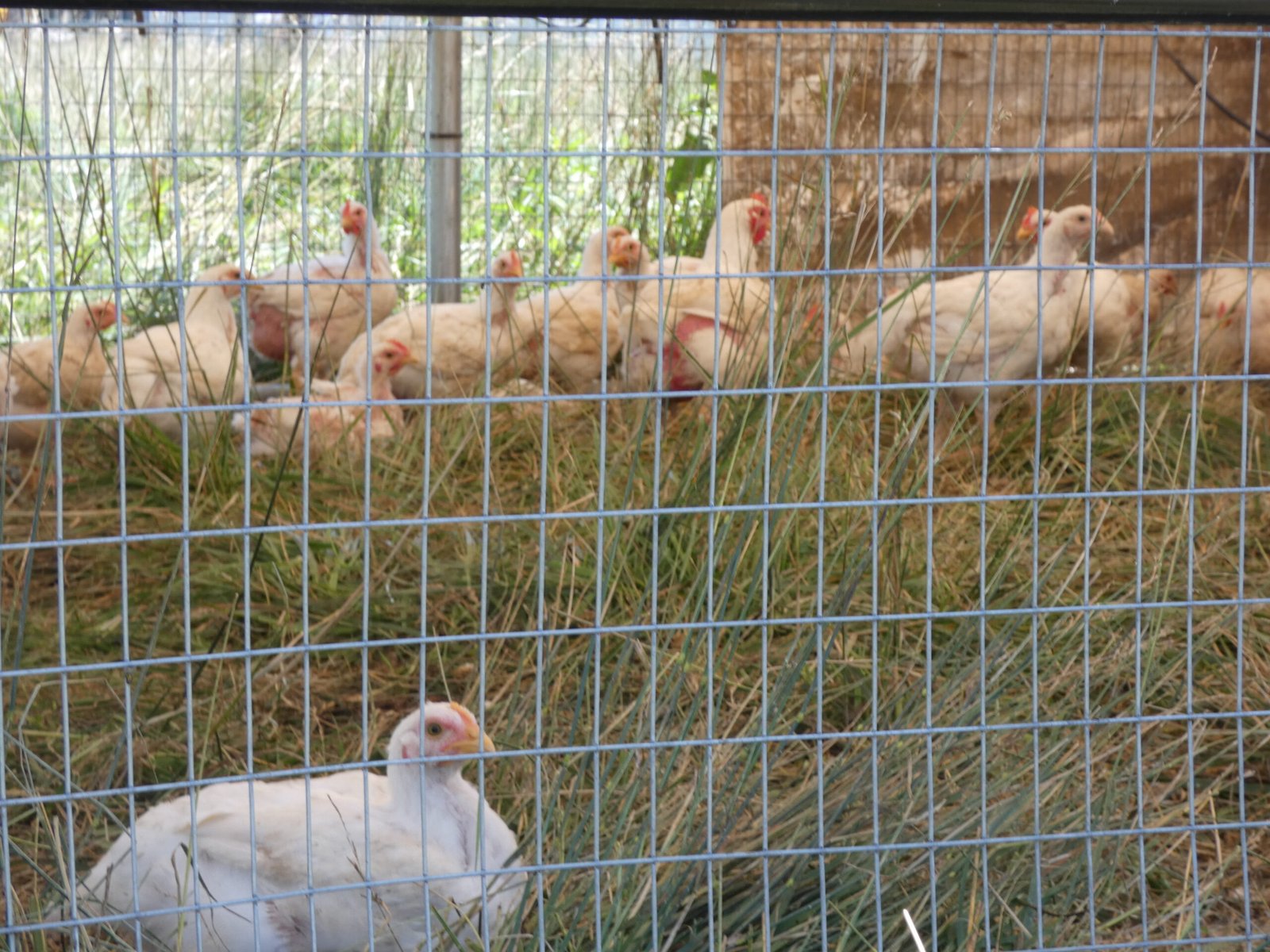
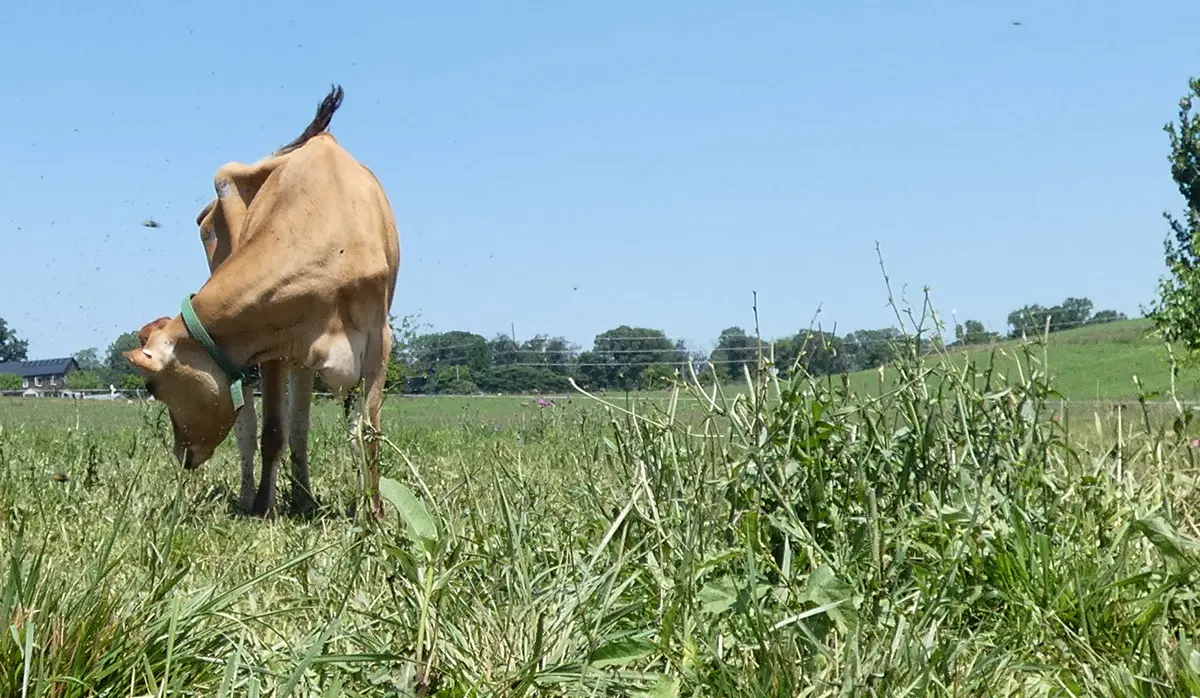
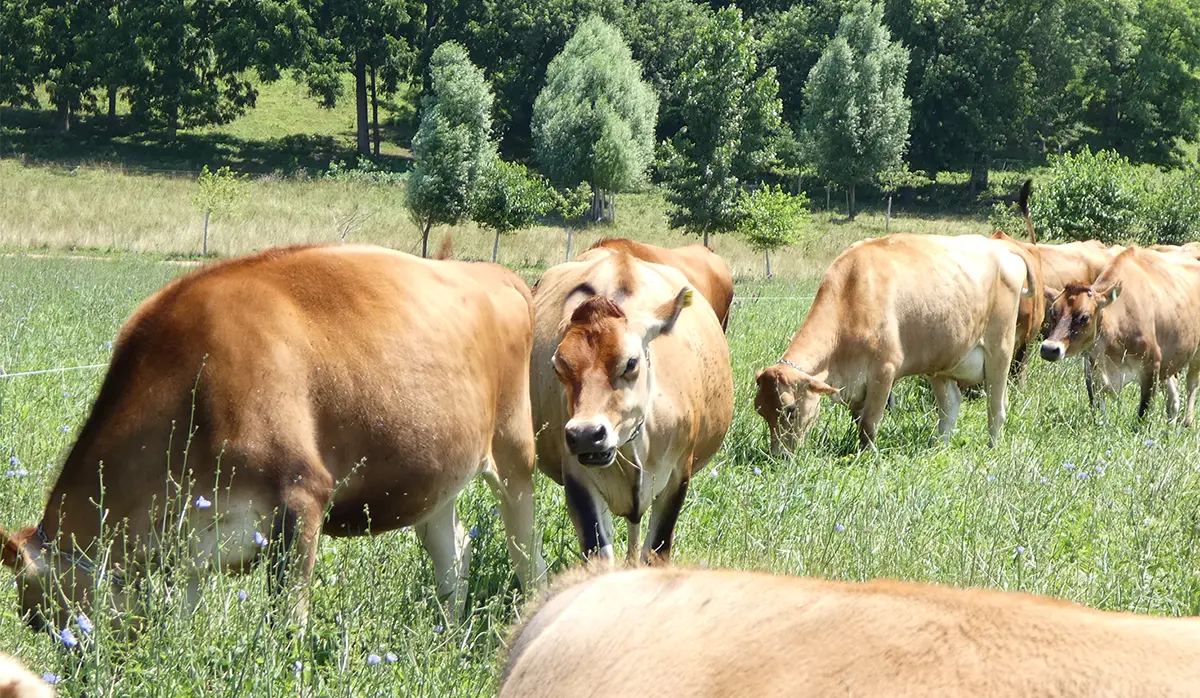
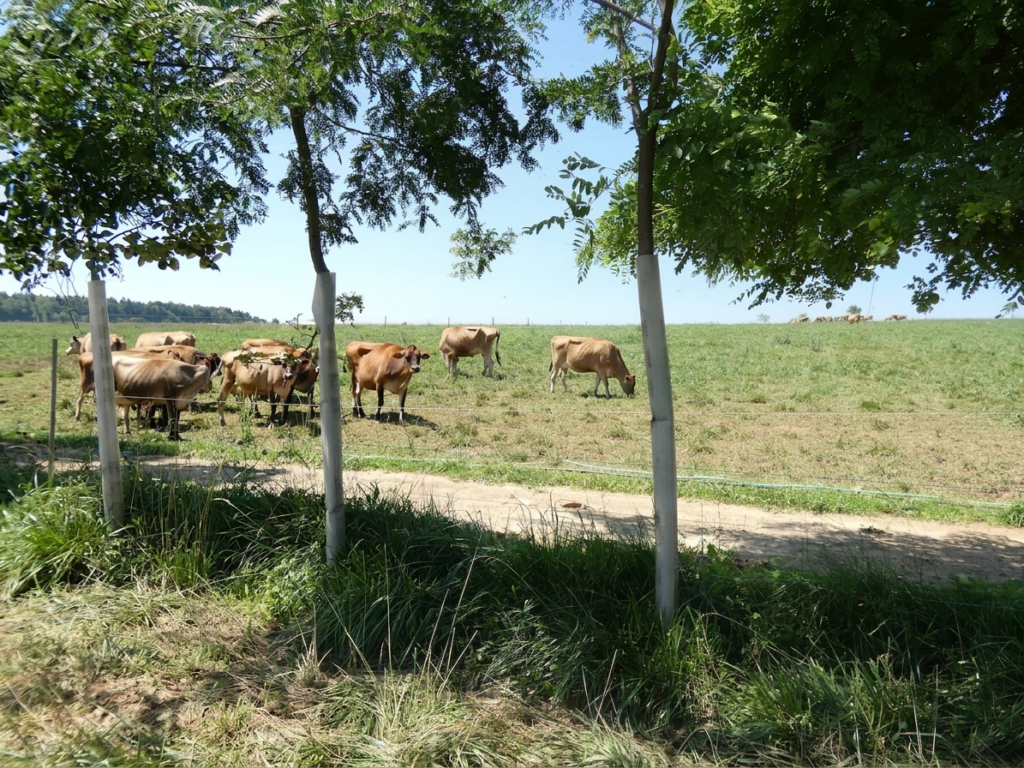
- Give livestock access to conditions that fit the animal: pasture, fresh forage, open air, and attentive care.
- Raise food with a long view, because shortcuts often hand tomorrow’s cost to somebody else.
Epigenetics and Regenerative Farming in Practice
Regenerative farming is not a magic label, and it is not about claiming that one farm or one food can solve every problem. It is about stewardship: working with the patterns God built into soil, plants, animals, and seasons instead of constantly fighting them.
At Noble Pastures, that conviction shapes the way we think about pasture and animal care. Our farm protocols center natural, traditional practices, including pasture access and grass- or forage-based diets for animals where that applies. You can read more about the standards behind our food in our farm protocols.
We like to say that healthy animals start with a healthy environment. That is plain farm sense. It also keeps us humble: good results usually come from doing a lot of ordinary things well, over and over again.
Steward What You Can
The lesson of epigenetics and regenerative farming is not that we control everything. We do not. The lesson is that we are participants, not bystanders.
We can pay attention to the food on our table, the quality of the land that produces it, and the practices we choose to support. If you are looking for food raised with that kind of care in mind, explore Noble Pastures and learn more about the farm behind it.