You wouldn’t dream of filling your truck’s tank with water and expecting it to run. It would sputter, stall, and leave you stranded on the side of the road, calling a mechanic who’d just shake his head at you. Yet every day, a lot of us do something eerily similar to our own bodies, and we’re surprised when we end up sluggish, worn out, and running on empty.
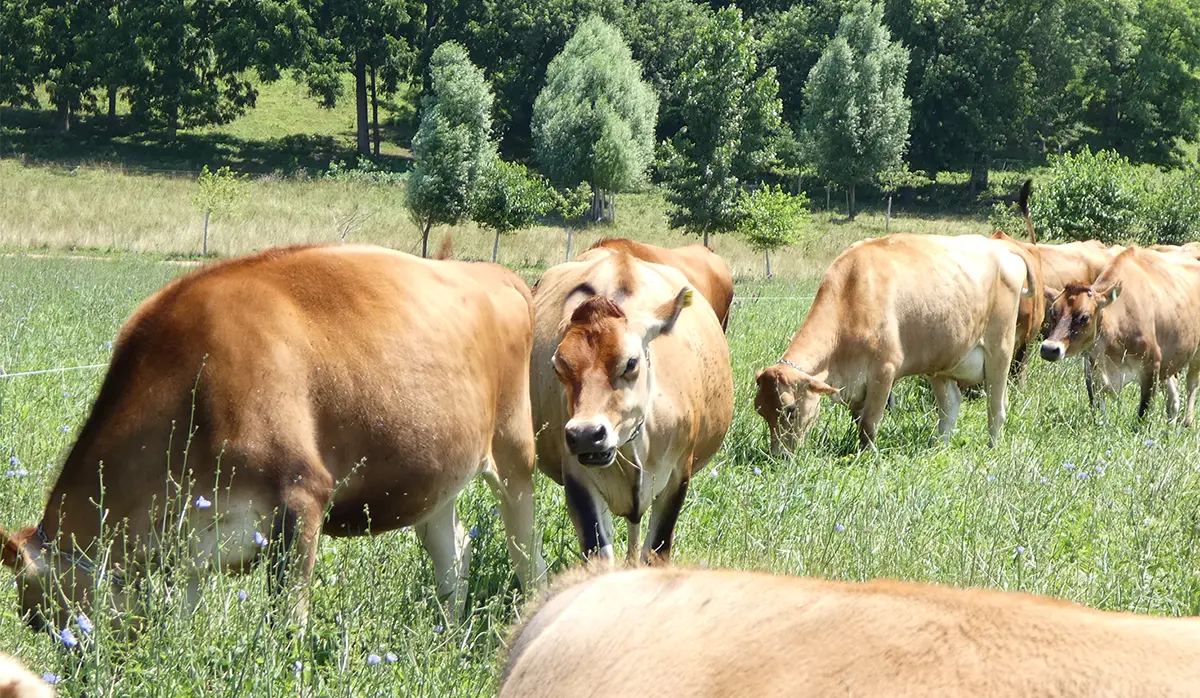
I think about this a lot here on the farm, because raising food the right way is a daily reminder that fuel quality matters. Whether it’s the grass our cows graze on or the flour we bake our bread with, what goes in determines what comes out. That’s not folk wisdom. It’s basic biology.
What Nutrient-Dense Food Actually Means
Nutrient-dense food is food that delivers a high amount of vitamins, minerals, healthy fats, and protein relative to its calories. It’s the opposite of what nutritionists call “empty calories,” foods that fill you up without actually nourishing you.
Some markers of nutrient-dense food include:
- Whole, minimally processed ingredients rather than refined substitutes
- Fats and proteins from animals raised on pasture rather than confined and grain-finished
- Grains like einkorn and spelt, which retain more of their original nutrient profile than heavily milled all-purpose flour
- Dairy and other animal products sourced from healthy, well-managed herds
None of this is about chasing a trend. It’s about giving your body what it was actually designed to run on.
The Real Cost of Cheap Fuel
Refined sugar is cheaper than raw honey. All-purpose flour costs less than stone-ground einkorn. Conventional groceries almost always undercut pasture-raised meat and raw dairy on price. That’s real, and I won’t pretend otherwise.
But cheap fuel has a cost too, it just shows up later, in the form of low energy, poor sleep, and bodies that struggle to recover and repair. Research on whole, unprocessed foods consistently points to better outcomes for metabolic health, immune function, and long-term vitality than diets built around refined ingredients. Bovine colostrum, for example, has drawn growing interest from researchers for its concentration of immune-supportive compounds and its role in gut health, well beyond what a calf gets out of it.
Quality costs more up front. Skimping on it costs more in the long run.
Choosing Better Fuel, One Meal at a Time
You don’t have to overhaul everything overnight. Start by asking a simple question at the grocery store or the farm stand: does this food actually nourish me, or is it just filling space?
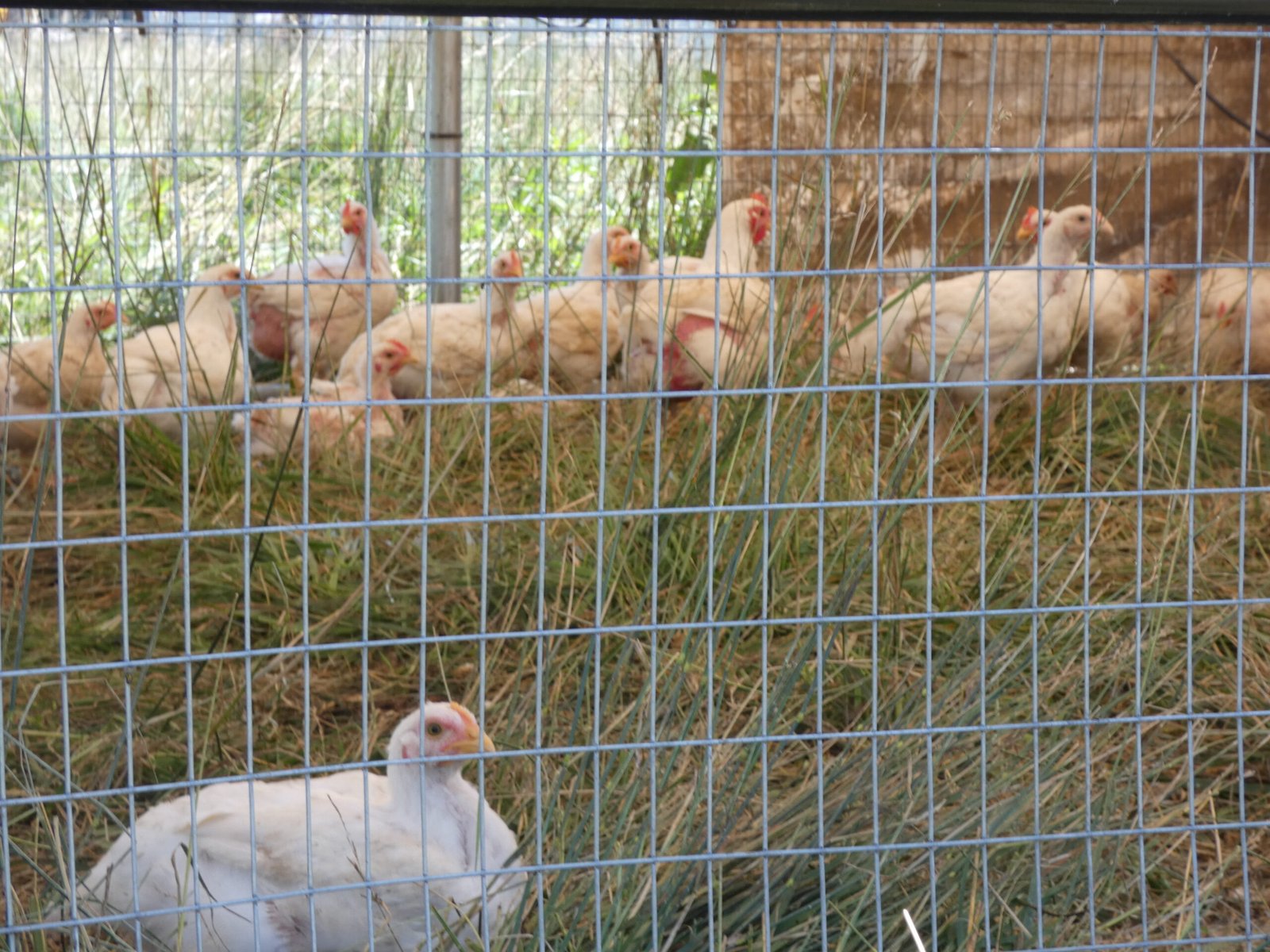
Raw, grass-fed milk is one of the simplest swaps a family can make. It comes from cows doing what cows are built to do, grazing on diverse pasture, and it shows up on your table close to its natural state. The same logic applies to sourdough made with real fermentation and good flour, or eggs from hens that spend their days outside instead of in a barn.
From the Farm: Not every day on a pasture-based operation goes as planned. We once moved a retired refrigerated trailer into the meadow to convert it into a warm space for baby chicks, only to have a gust of wind knock the whole thing over before we’d even finished lunch. Farming keeps you humble, and it keeps you problem-solving. Where there’s a will, there’s a way.
Fuel Your Body Like You Mean It
Your body, like any engine, runs on what you put into it. Choosing nutrient-dense food over the cheap, processed alternative is one of the most direct ways to invest in your own health and your family’s.
That’s the whole philosophy behind what we do at Noble Pastures. From raw A2/A2 milk to colostrum to naturally fermented sourdough, our goal is simple: put real, nutrient-dense food back on your table, sourced the way it was meant to be raised. Take a look at what’s available from our farm and see what better fuel looks like for your family.