I’ve got three kids running around this farm from sunup to dark, and I’ll tell you what I’ve learned from raising them right alongside our cows and hens: nutrition for school aged children isn’t too different from my own nutrition, but it does need to be intentional. With all the running and playing and asking questions, and the growth spurts that seem to hit overnight, a growing kid’s body is doing a lot of quiet, hard work. What goes on their plate either helps that work along or gets in its way.
I’m not a pediatrician. I’m a farmer. But I’ve spent enough years studying soil, animals, and the food that comes off this land to know that real nutrition starts long before you place it on the dinner table. It starts with how the food was raised.
Why School Aged Kids Need More Than Just Calories
Somewhere around age four, kids enter a stretch of childhood that doesn’t get talked about nearly as much as the baby years, but it matters just as much. Researchers who study this stage point out that protein needs stay fairly steady as a percentage of total calories all the way through the school years, while the need for iron, zinc, calcium, choline, and vitamin D climbs steadily as bodies and brains keep building.
Here’s the thing that surprised me when I first dug into this: a lot of American kids come up short on choline, a nutrient most parents have never even heard of, but one that’s critical for brain development and memory. Studies show fewer than 3% of girls and only about 14% of boys aged 9 to 13 actually hit the recommended choline intake. That nutrient shows up richly in egg yolks and beef, foods that, frankly, a lot of families have quietly phased out of the weekly menu.
What We Feed Our Own Kids, and Why
On our farm, the answer to “what should a growing kid eat” usually starts with what’s already outside the back door.
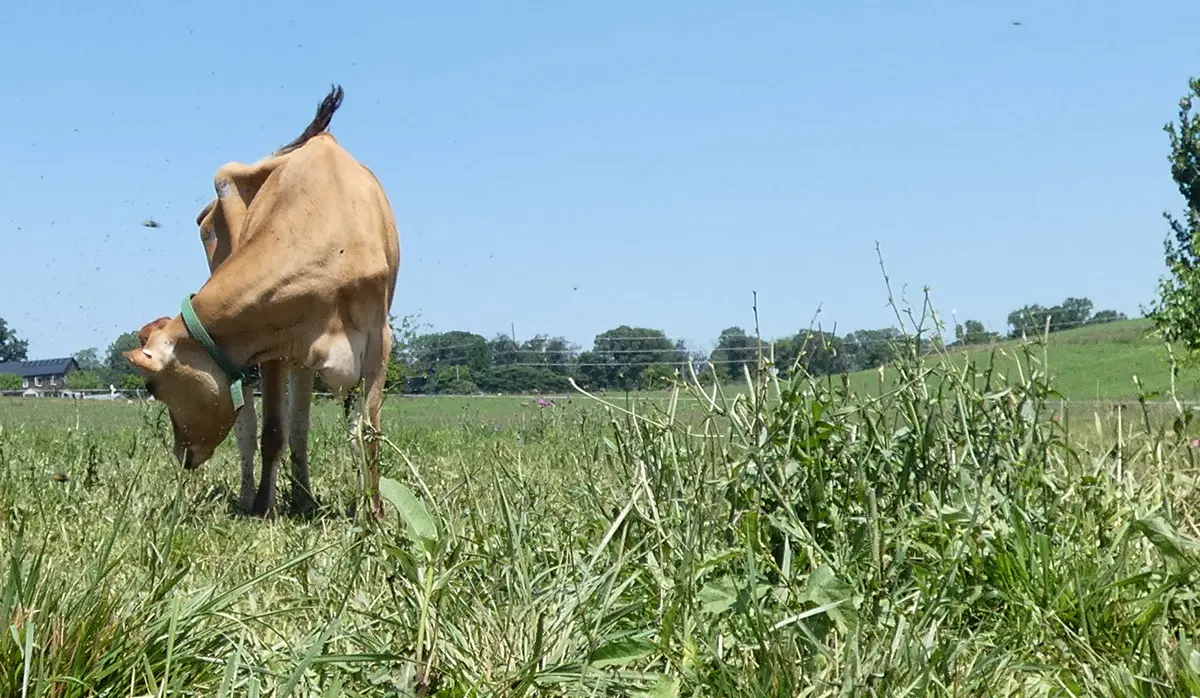
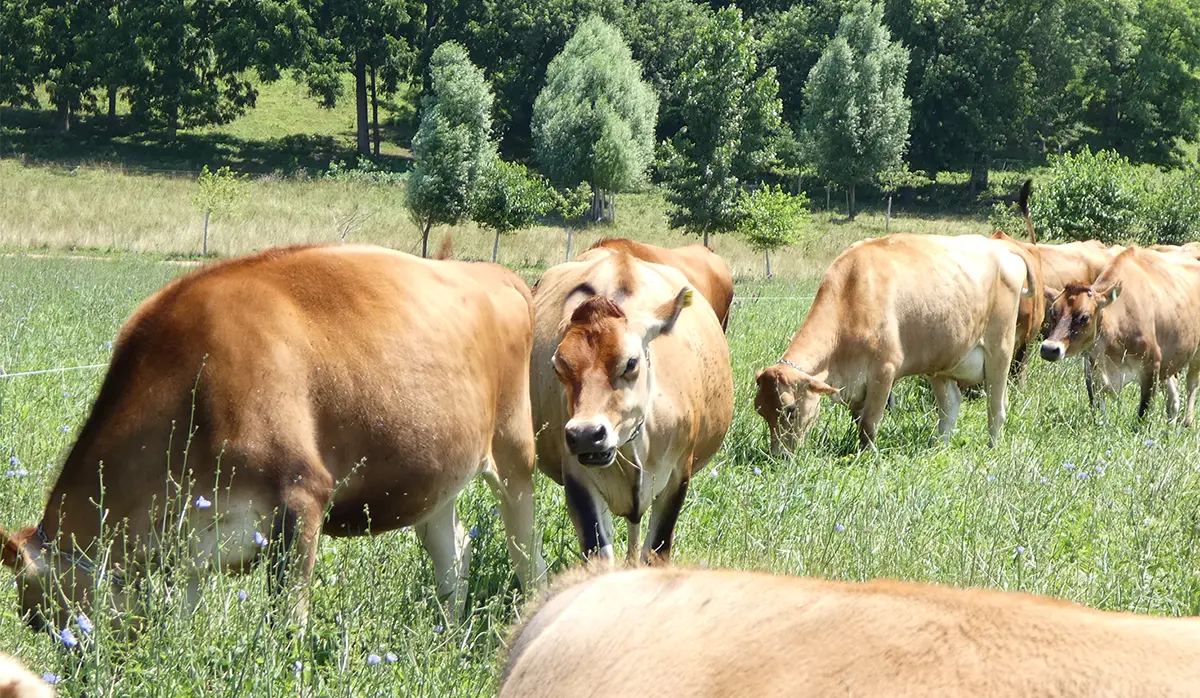
- Raw A2/A2 milk and cheese. Our Jersey cows produce milk with only the A2 beta-casein protein, not the A1 variant found in most conventional milk. Clinical research out of China found that children drinking A2-only milk had noticeably fewer digestive complaints and even performed better on cognitive response tests compared to when they drank conventional milk.
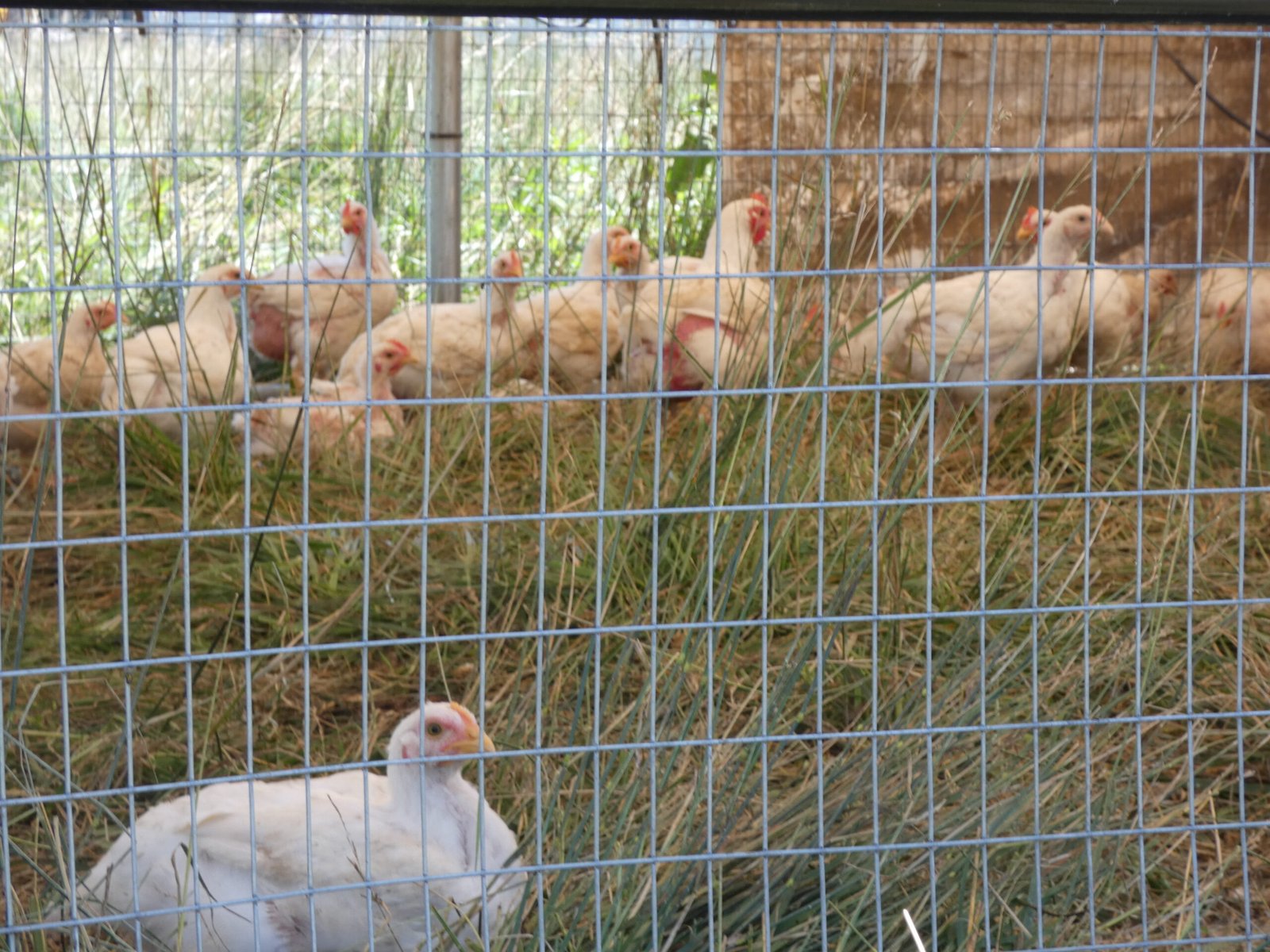
- Pasture-raised eggs. Our hens forage on pasture and insects instead of a soy-heavy feed ration, which matters for a nutrient like choline that so many kids are missing.
- 100% grass-fed beef. Cattle that graze pasture their whole lives, never grain or feedlot rations, produce beef that’s naturally higher in conjugated linoleic acid and omega-3 fatty acids than grain-finished beef, according to peer-reviewed nutrient comparisons. That same beef also delivers the iron, zinc, and B12 that growing kids need for enlarging muscle mass and expanding blood volume during those school-age growth spurts [web:28].
- Sourdough bread. The slow fermentation process breaks down some of the compounds that make grains harder to digest, which is one reason we bake ours the traditional way instead of reaching for a shortcut.
Building a Plate That Actually Supports Growth
I’m not going to tell you to overhaul your whole pantry overnight. That’s not how good habits stick, on a farm or in a kitchen. What I will say is that nutrition for school aged children gets a lot simpler when you start from real, whole ingredients instead of trying to fortify processed ones back up to where they should have been in the first place.
A few things I keep in mind for our own family’s meals:
- Protein at breakfast, not just dinner — eggs or raw milk in the morning keep energy steadier through a school day than cereal alone.
- Iron-rich foods paired with vitamin C sources, since that pairing helps the body actually absorb the iron.
- Raw dairy in moderation as a calcium and probiotic source, alongside leafy greens for the days milk isn’t on the menu.
- Whole, fermented grains over refined ones whenever you can work that in.
None of this requires you to set up a spreadsheet. You just have to know where your food came from and trust that when animals are raised the way nature intended (on pasture, in sunlight, eating what they’re built to eat) the food they give back is going to carry more of what your kids need.
From Our Pasture to Your Family’s Table
Linda Mae and I want our own kids eating the way farm kids used to eat, and we figured other families might want the same thing for theirs. If you’re thinking through nutrition for school aged children in your own house, I’d invite you to take a look at what pasture-raised really means and how it shows up on your plate. Visit our online store, ask us questions, or just start with a jar of raw milk and see what real food tastes like again.