Walk through any grocery store and you can see it plain as day: food has gotten complicated. Packages make all kinds of promises, while the ingredient list on the back reads like a chemistry assignment. Then you come across a farm product with a higher price tag and wonder, Am I paying for good marketing, or am I paying for something that actually matters?
Great question. I farm for a living, and I still ask it when I buy food for my own family. Real food is not about buying the fanciest label in the store. It is about knowing what you are feeding your people, where it came from, and whether the care behind it is as solid as the claims on the package.
Price is only part of the cost
Good food does cost more to produce when it is raised with patience instead of shortcuts. On a pasture-based farm, animals need land, daily attention, clean water, fencing, fresh forage, and a farmer who is watching closely. There is no assembly line that makes those things cheaper.
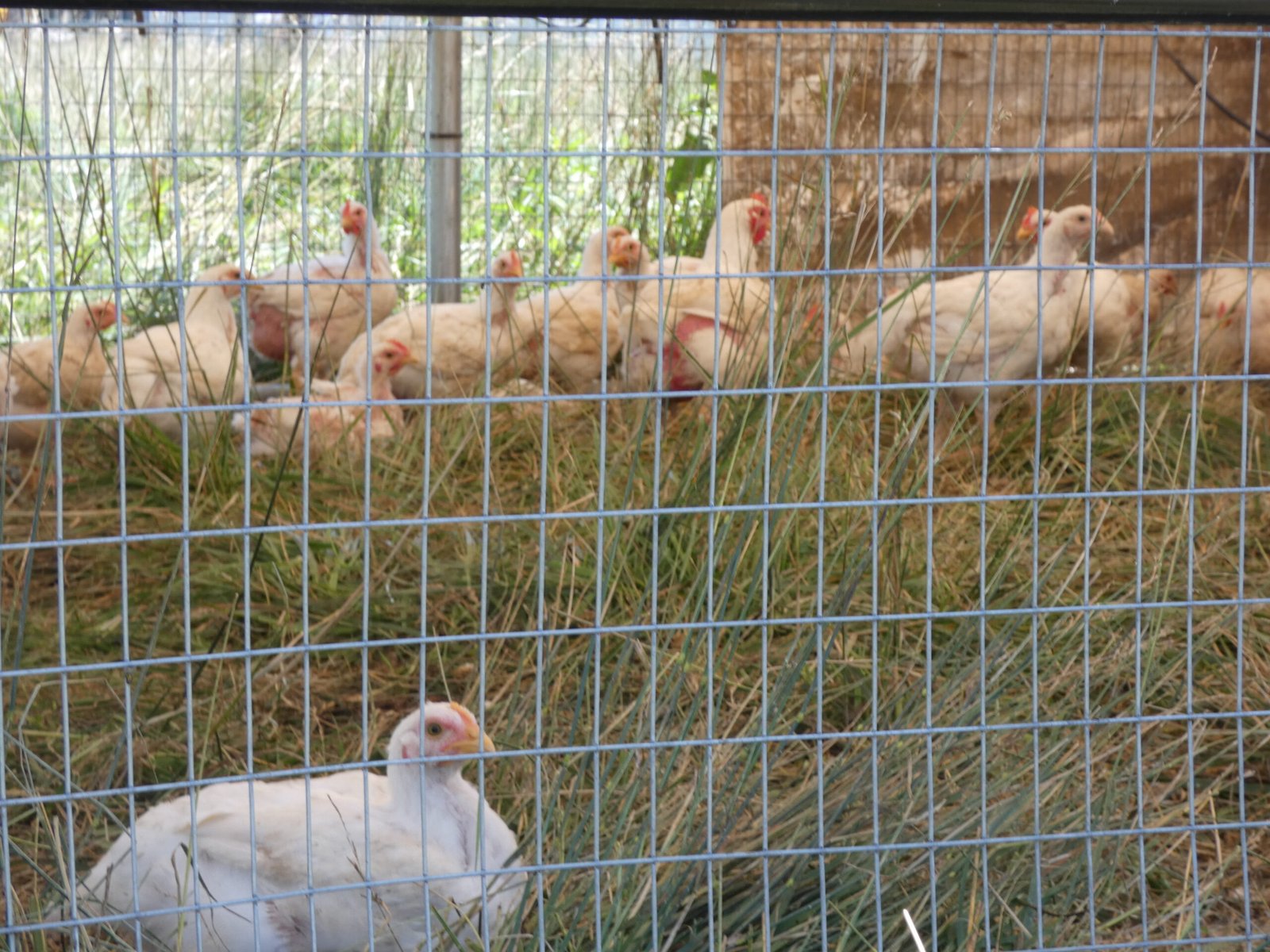
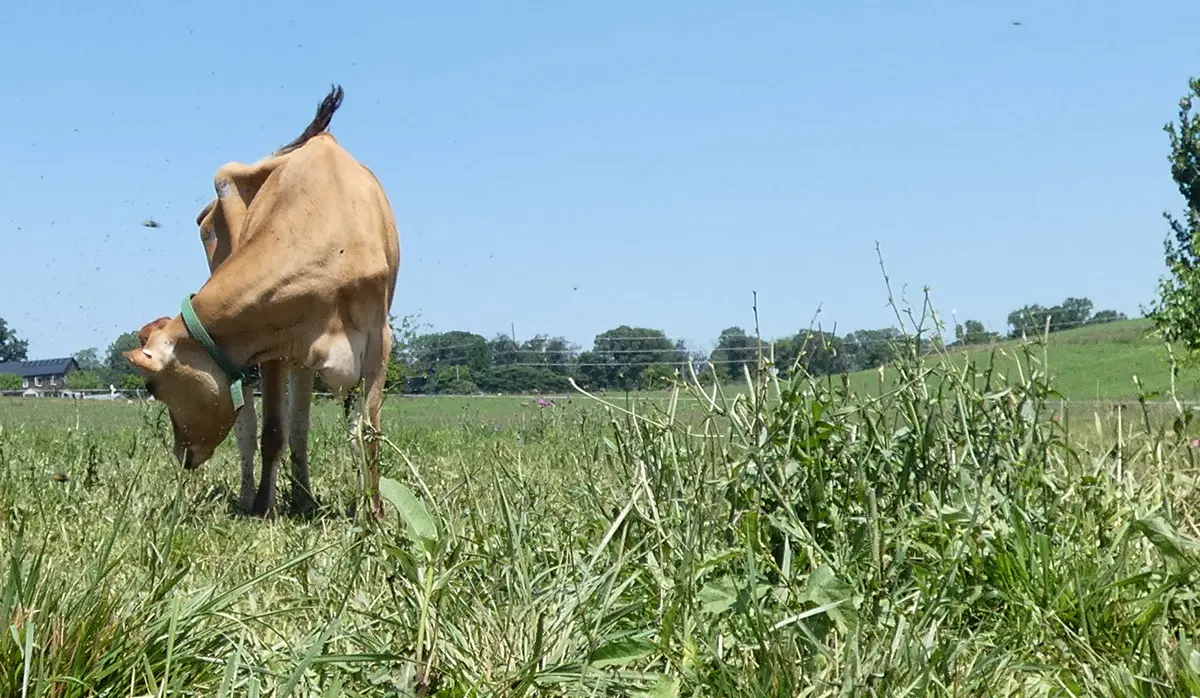
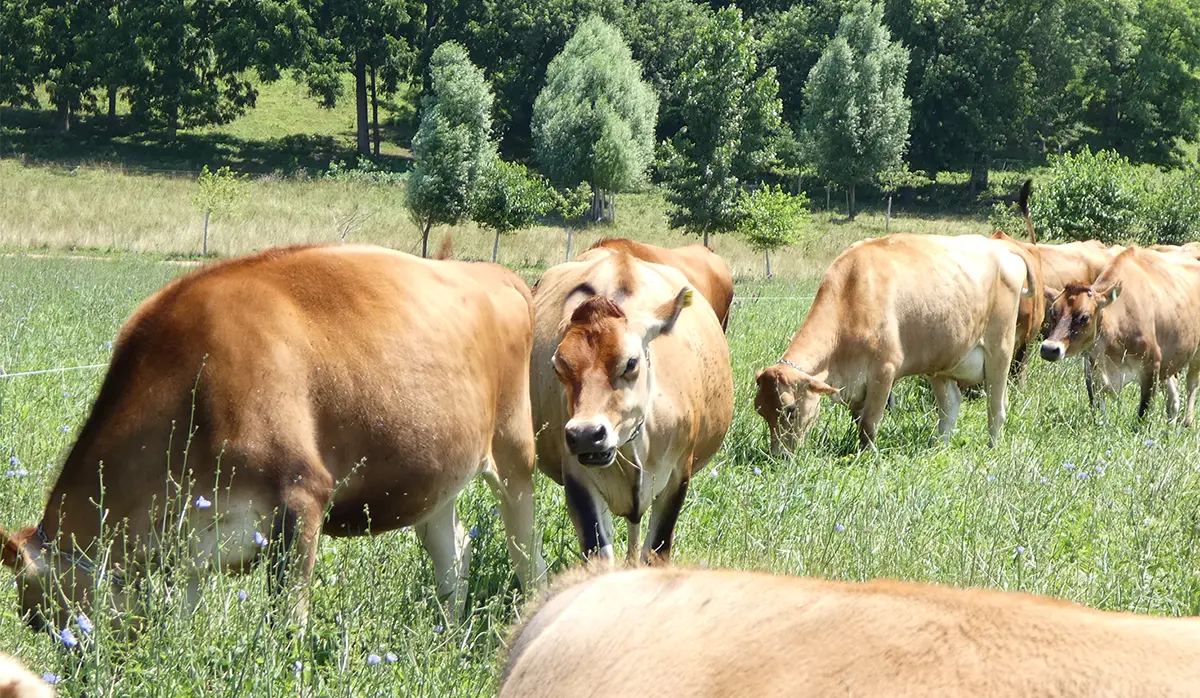
At Noble Pastures, our cows live on pasture and eat grass and forage rather than a grain-based ration. That kind of farming asks more of the land and more of the farmer, but it is the way we believe livestock ought to live. We also believe customers deserve to know our standards, not just take our word for it; you can read more about how we farm.
The cheaper option at the register is not always the simpler choice. Sometimes it is simply a product built around lower-cost inputs, more processing, and carefully schemed imports from abroad.
What real food looks like
There is no need to make this harder than it is. Real food generally looks like food your grandparents would recognize: eggs, meat, milk, vegetables, fruit, beans, good bread, and ingredients you can name.
That does not mean every food must come straight from a farm or that every packaged food is bad. Life is busy. But research has given us a good reason to pay attention: in a controlled study, people ate more and gained weight on an ultra-processed diet than on a minimally processed diet, even when the diets were matched for several nutrients. The point is not fear. The point is to let basic foods carry more of the load.
Here are a few questions I would ask before paying extra:
- Can I understand what this food is and how it was made?
- Does the producer clearly explain how the animals or crops were raised?
- Is the label doing all the talking, or can I trace the food back to an actual farm?
- Does this purchase support the kind of agriculture I want to see more of?
Spend carefully, not blindly
I am not telling anyone to empty their wallet chasing every product marketed as “healthy.” There is plenty of clever packaging out there, and a higher price does not automatically equal better food. Ask questions. Read labels. Talk to the farmer when you can.
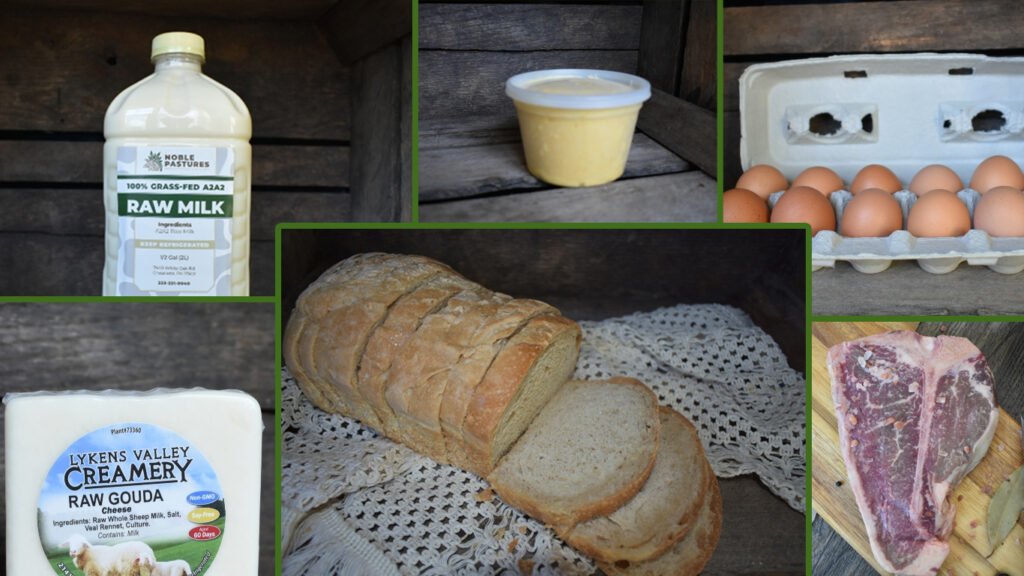
Start with one or two changes that fit your budget and routine. Maybe that means buying pasture-raised eggs, using butter from a farm you trust, or choosing fewer ingredients when you shop. A family does not need a perfect pantry to move in a better direction.
The value of food is not only what it costs per pound. It is also the care in how it was raised, the honesty of the people producing it, the satisfaction of a good meal, and the kind of land that purchase helps support.
Choose food with a story you trust
Real food will not always be the cheapest food, and it will not always come in the most polished package. But when you can see the farm, understand the practices, and recognize the food on your plate, you are making a choice with more behind it than a price tag.
If you are looking for pasture-raised staples from a family farm, take a look at the Noble Pastures farm store. We are glad to share the work behind our food and to help you find a few simple, honest foods for your table.