Every now and then, life puts you in a hurry. You grab breakfast on the road, unwrap a bacon, egg, and cheese, and get on with the day. I am not here to shame anybody for that. I have done it myself.
But I have also had the experience of turning over that wrapper afterward and reading the label. A sandwich that ought to be made from four plain foods can somehow come with an ingredient list long enough to make your eyes cross. That is when it pays to know how to read ingredient labels.
At home, a bacon, egg, and cheese is pretty simple: bacon, an egg, cheese, and bread. The details matter, of course, but I ought to be able to recognize the ingredients without needing a dictionary. Good food does not have to be fancy. It ought to be honest.
Start With the Whole Food
Before I get too worked up about a label, I ask a simple question: what food am I actually buying?
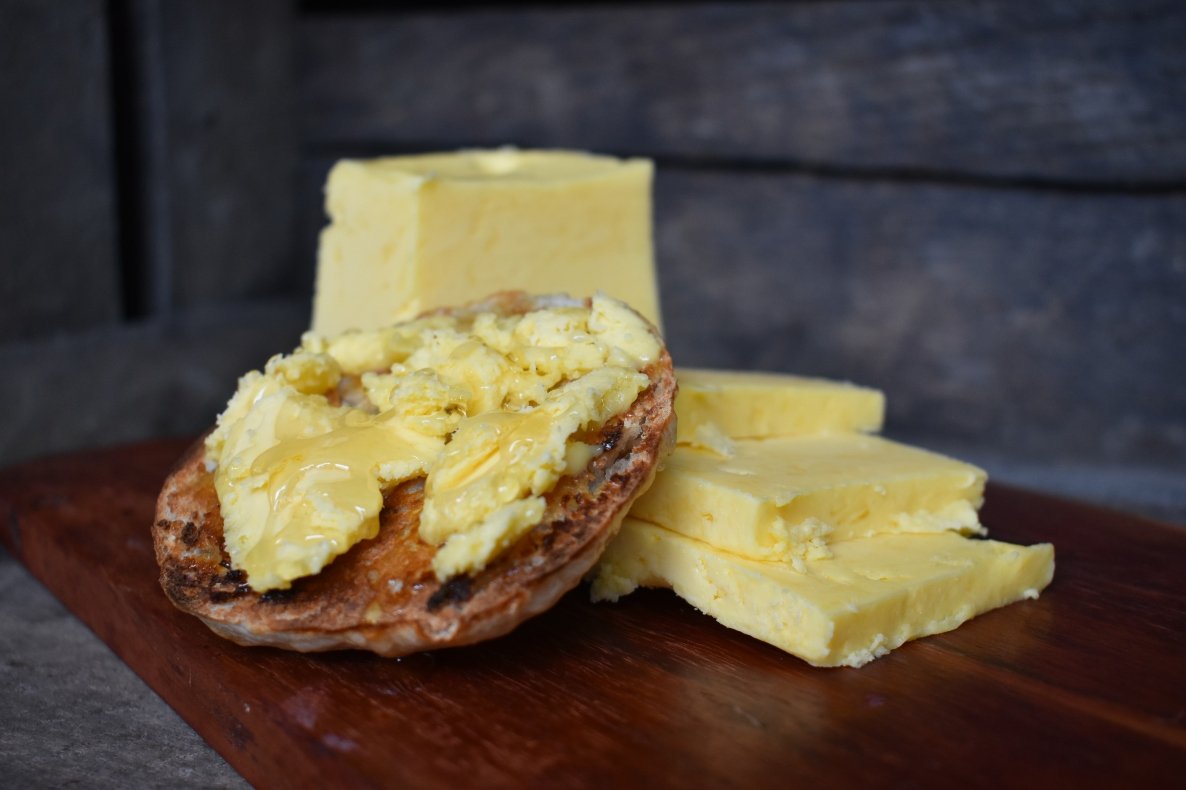
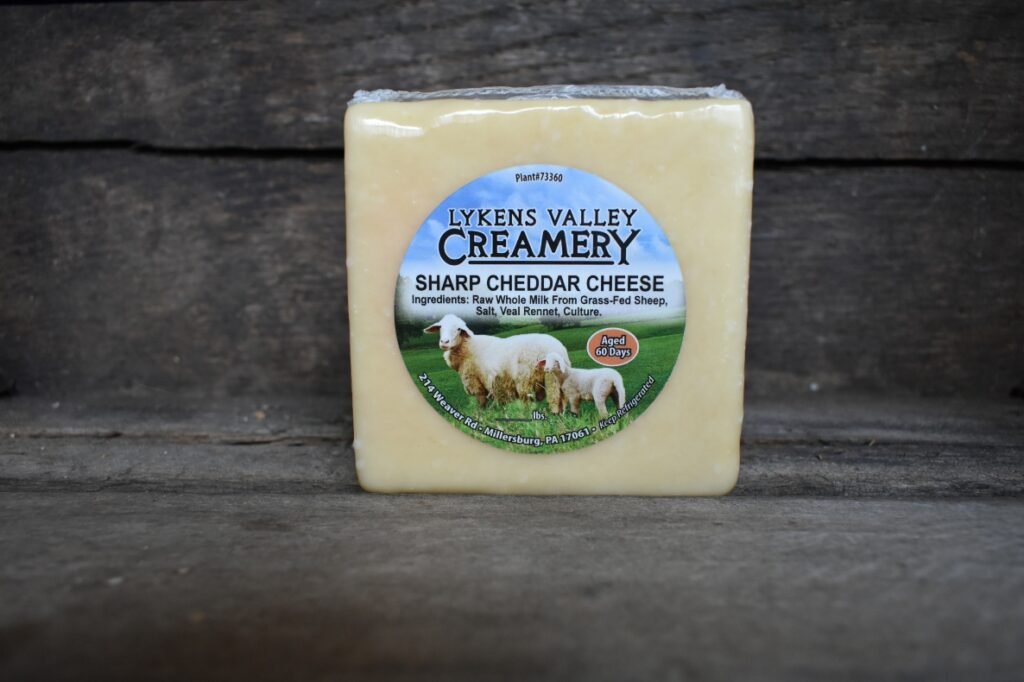
An egg has one ingredient. A cut of meat has one ingredient. A block of traditionally made cheese may have milk, cultures, salt, and enzymes. Those are foods with a clear starting point.
That does not mean every food with more than one ingredient is bad, and it does not mean a short label automatically makes something nutritious. It means fewer, familiar ingredients give you a better starting place for understanding what you are bringing home.
How to Read Ingredient Labels Without Overthinking It
Ingredient lists are generally arranged from the largest ingredient by weight down to the smallest. That gives you a useful first look at what makes up most of a packaged food.
Here is the quick method I use:
- Read the first three ingredients first; they usually tell you what the product is built on.
- Look for foods you recognize, such as milk, meat, flour, oats, fruit, butter, herbs, and salt.
- Notice when several forms of sugar, refined starches, or oils show up near the beginning.
- Watch for ingredients that seem to exist mainly to color, flavor, thicken, or preserve a food far beyond what you would use in a home kitchen.
- Check allergen information separately if that matters for your household.
The point is not to panic at every unfamiliar word. Some ingredients have perfectly sensible jobs, especially in foods that need to travel or keep longer. The point is to stop buying on autopilot.
Processing Is Not All the Same
We preserve and prepare food because that is what people have always done. Curing bacon, culturing cheese, milling flour, fermenting vegetables, and baking bread are all forms of processing. A food does not become suspect just because somebody made it into something useful.
The bigger question is whether the finished product still resembles food or whether it has become an industrial formula built around extracts, additives, and flavor systems. Research on ultra-processed foods often uses that distinction: foods made mainly from ingredients of rare culinary use, along with additives meant to change flavor, color, or texture.
That is why I prefer a practical middle ground. Cook from basic ingredients when you can. Choose carefully made foods when cooking is not realistic. And when you buy a packaged food, let the label tell you its story.
A Better Breakfast Can Stay Simple
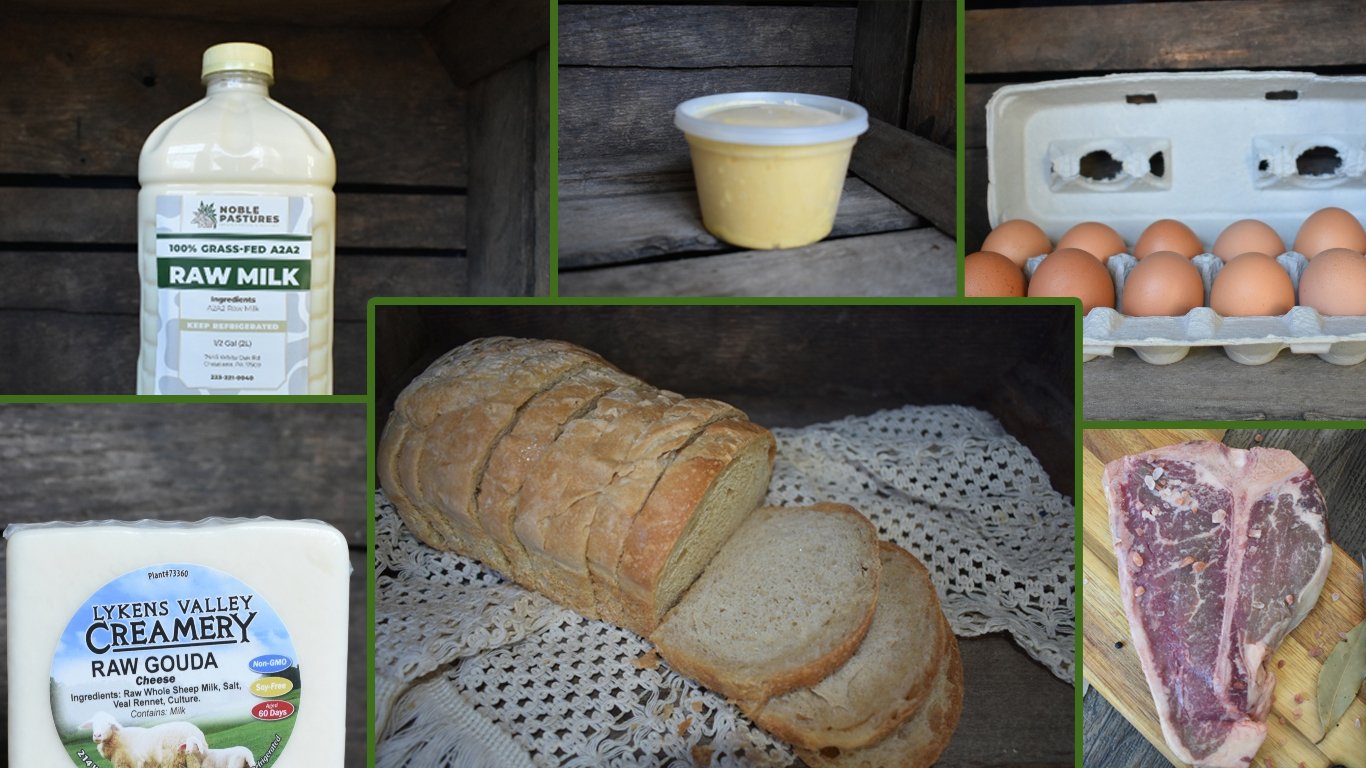
A real-food breakfast does not need a complicated plan. Start with good eggs, thoughtfully raised bacon or sausage, and bread made from ingredients you would use yourself. Add fruit, a little cheese, or leftover vegetables, and you have a solid meal.
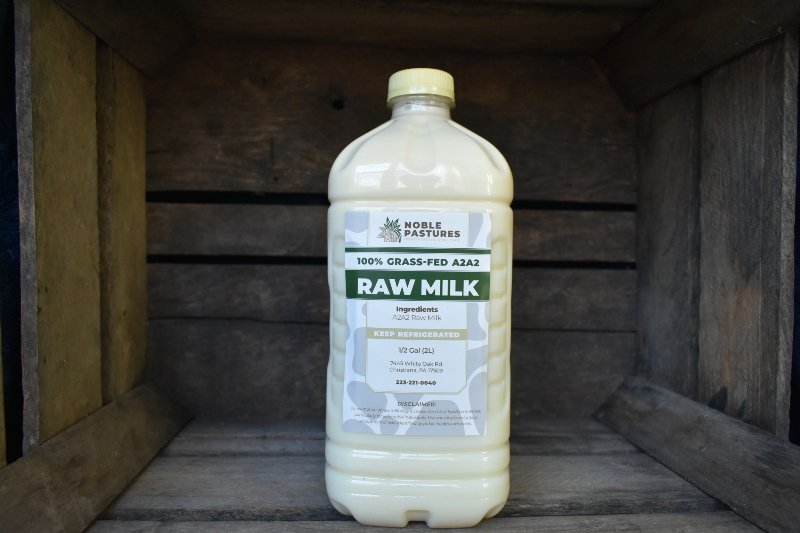
On our farm, we care about food that begins with good animal care and straightforward ingredients. Our pasture-raised eggs are part of that work, and the dairy foods we offer are rooted in the same desire to keep things simple and transparent. You can learn more about why our dairy cows are 100% grass-fed and explore the foods we raise and make at Noble Pastures.
Learning how to read ingredient labels is not about chasing perfection. It is about paying attention, choosing real food more often, and remembering that the best meals usually start with ingredients that do not have much to hide.