I grew up hearing the same thing you probably did: butter clogs your arteries, and if you want a healthy heart, reach for vegetable oil instead. I believed it too, for a while. Then I started digging into where that advice actually came from, and it didn’t take long to realize the story we’d been told about animal fat was built on shaky ground.
Now that I raise dairy cows on pasture for a living, I’ve got a front-row seat to the difference between real fat and manufactured fat. And once you understand that difference, the grass-fed butter benefits everyone talks about start to make a lot more sense.
Where the Fear of Animal Fat Came From
For most of the last century, Americans were told to fear butter, lard, and tallow, and to trust “heart-healthy” vegetable oils instead. That guidance leaned more on early assumptions and food-industry marketing than on solid nutritional science.
Long before that advice took hold, researcher Weston A. Price traveled the world studying isolated traditional cultures that had never seen a bottle of processed vegetable oil. What he documented was striking: these groups thrived on animal fats like butter, tallow, lard, cream, and eggs, and showed strong teeth, stable energy, healthy babies, and resilient immune systems. Their fats came from whole foods rich in fat-soluble vitamins, not from anything extracted with heat and chemicals.
The Misconception vs. The Reality
The claim “animal fat is dangerous” has had decades to take root, but it doesn’t hold up well against the traditions Price documented or against how our bodies actually respond to real food.
- The misconception: Animal fat is dangerous and should be avoided.
- The reality: Animal fats are nutrient-dense and structurally stable, while industrial vegetable oils are the newer, heavily processed option — extracted with heat and chemicals, then bleached and deodorized just to make them palatable.
- What your body notices: Real fats satisfy and signal fullness, while industrial oils slip into everything and are easy to overconsume without realizing it.
Research into grass-fed dairy backs up why the source of the fat matters so much. Studies have found that milk from cows raised on pasture carries meaningfully higher levels of conjugated linoleic acid (CLA) and other beneficial unsaturated fatty acids compared to milk from grain-fed herds. That difference doesn’t disappear when the cream gets churned into butter. It’s still there, concentrated in every pat.
Why the Season on Pasture Matters
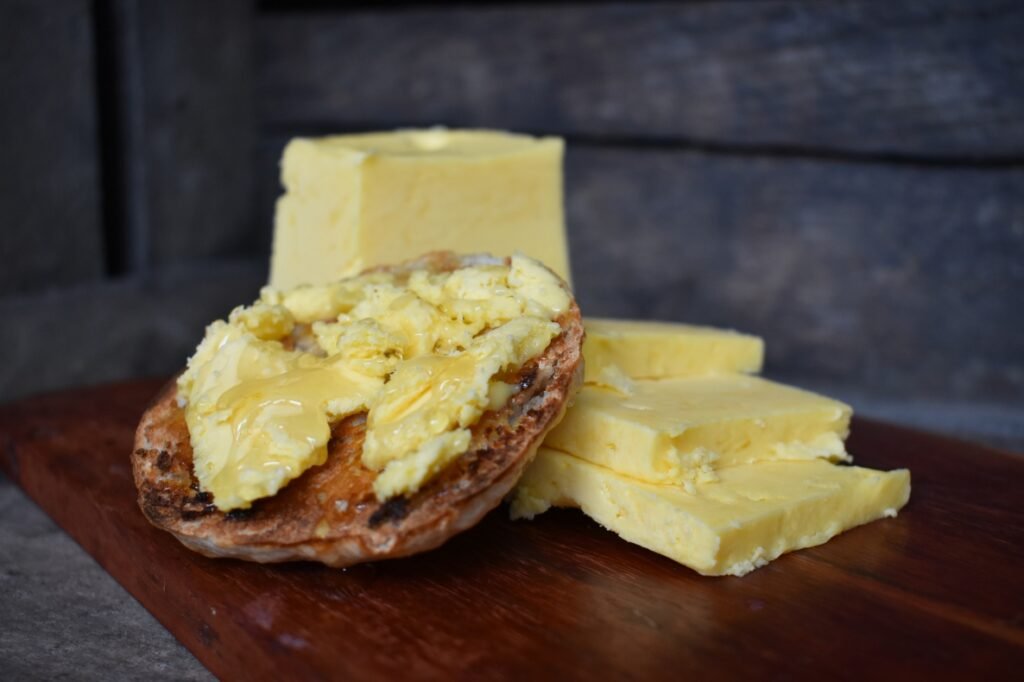
A note from the pasture: As our cows move from stored winter hay onto fresh spring grass, you’ll sometimes notice our milk take on a richer golden color and a gentler “taste of spring.” That shift is a reminder that the grasses, clovers, and wild plants our herd grazes on come through in the milk itself — in a form your body can actually use. Hay is simply grass cut and dried for the colder months, so the herd stays 100% grass-fed year-round, just on a different schedule.
That seasonal variation is a small, visible example of a bigger truth: what an animal eats shapes the fat it produces. A cow grazing diverse, living pasture builds fat with a different nutritional fingerprint than one raised on a diet heavy in corn and soy, and that fingerprint carries straight through to the butter dish.
Choosing Fat the Way Traditional Cultures Did
When you choose 100% grass-fed butter, you’re choosing the kind of fat humans have eaten for thousands of years, not the kind invented in a lab within the last hundred. It’s one of the simplest ways to bring a traditional, nutrient-dense food back into a modern kitchen.
This information is for educational purposes and isn’t medical advice, so talk with your healthcare provider about what’s right for your own diet.
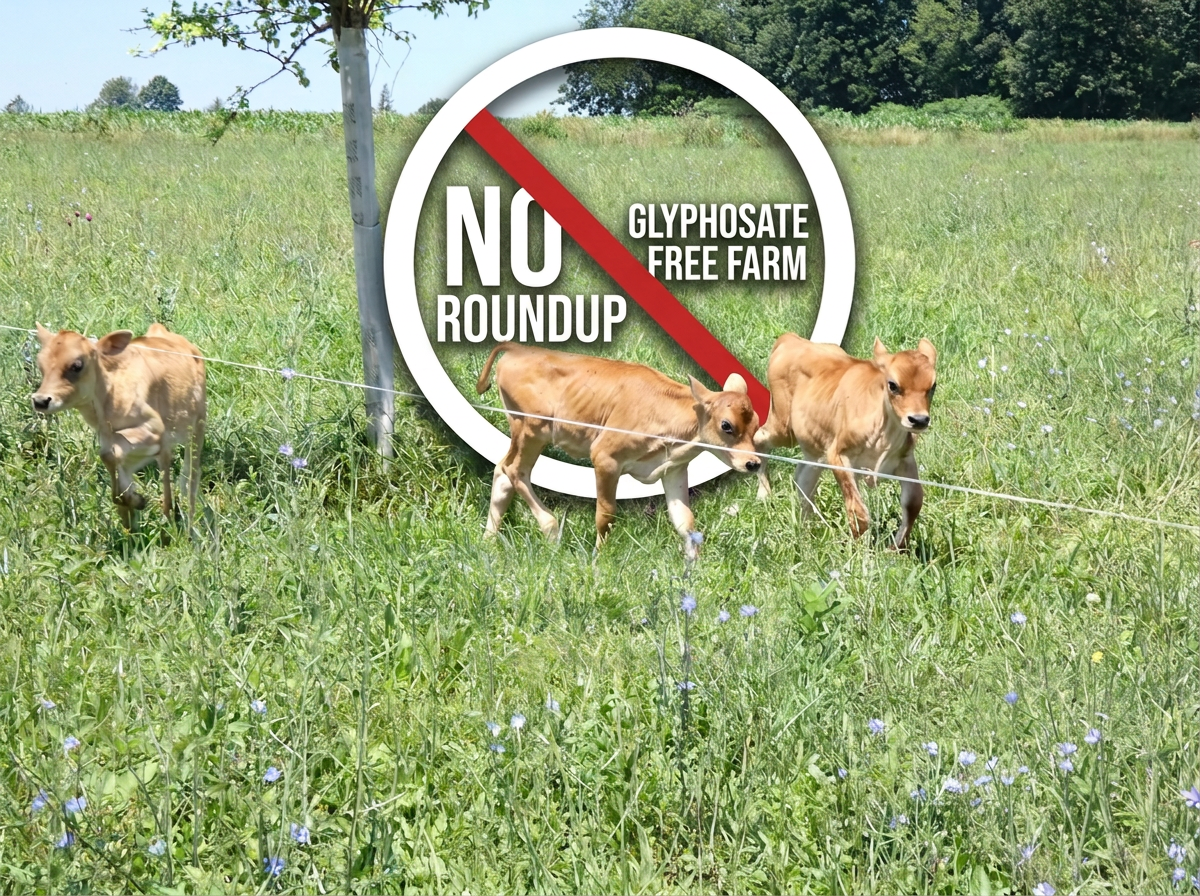
If you’re ready to taste the difference pasture makes, our raw A2/A2 butter comes straight from cows grazing diverse, chemical-free pasture here on the farm. Explore our full line of grass-fed dairy products and see for yourself why real, traditional fat deserves a place back on your table.