I get asked some version of this question almost every week: “What’s the deal with A2 milk, and is it actually different, or is it just marketing?” I’ve spent some years around Jersey cows and milk chemistry, and will try to give you a good answer here.
Here’s the short version. Nearly all cow’s milk contains a protein called beta-casein, and it comes in two main types: A1 and A2. Regular milk from most dairy breeds, Holsteins especially, is a mix of both. Our cows only produce the A2 type. That one-letter difference sounds small, but it changes how your gut handles the milk.
The Actual Difference Between A1 and A2 Milk
Beta-casein makes up about 30% of the protein in milk, and the A1 and A2 versions differ by a single amino acid. That’s it! One swap in a long chain. But that one swap changes how easily digestive enzymes can break the protein apart.
When A1 beta-casein gets digested, it releases a peptide called beta-casomorphin-7, or BCM-7 for short. A2 beta-casein has a proline in that same spot instead of histidine, and proline resists the enzymes that would otherwise snip the chain there. Research on simulated digestion has repeatedly found that A2-only milk yields little to no BCM-7, while A1 milk yields it consistently, in some lab studies at three to four times the concentration.
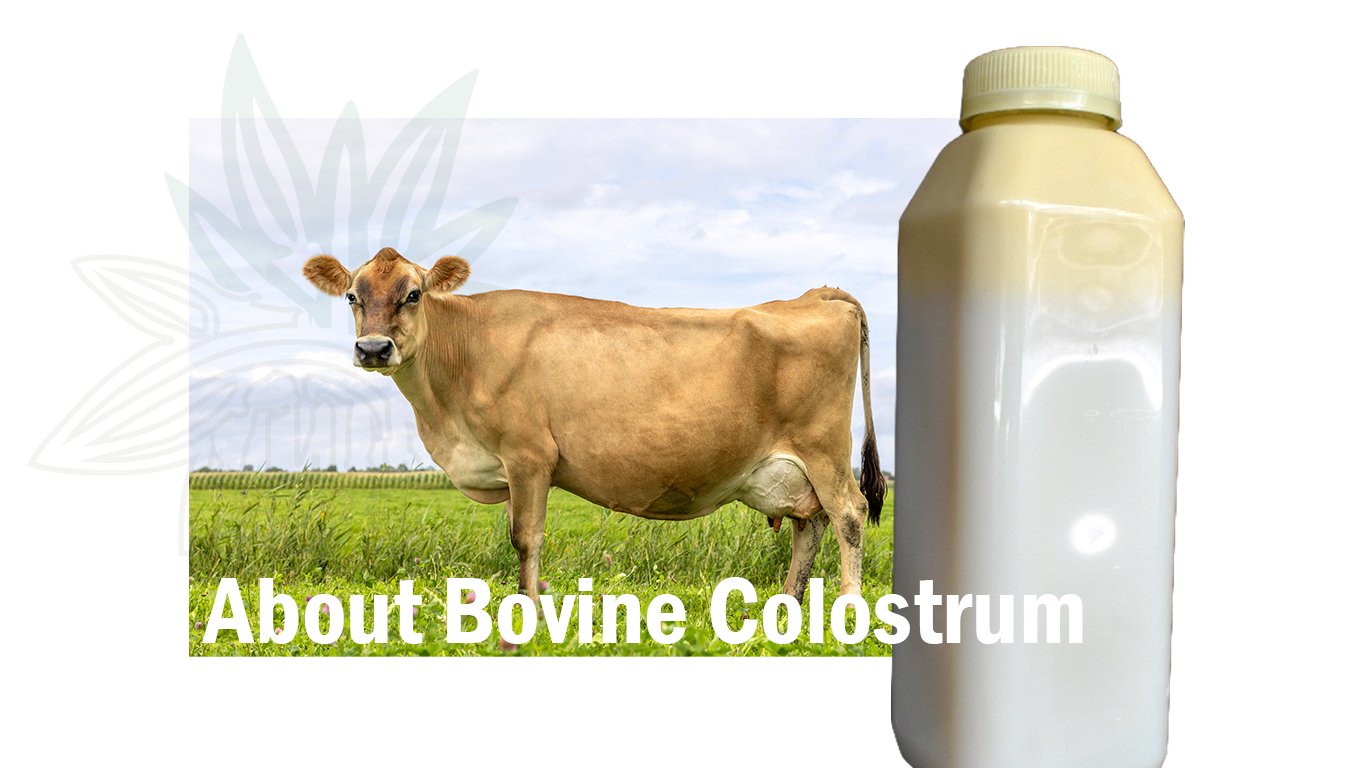
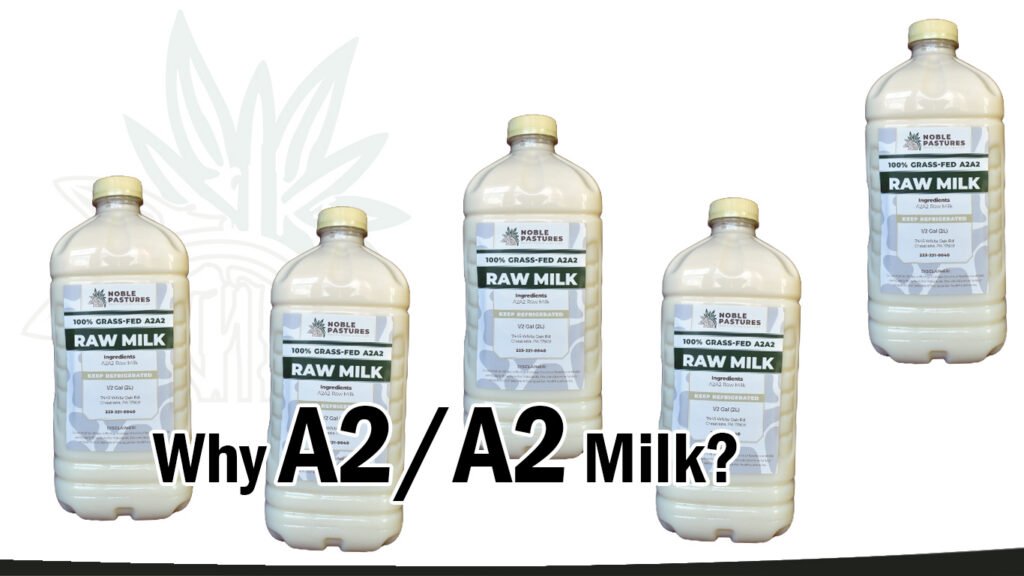
Most conventional dairy herds, especially Holsteins, carry a mix of A1 and A2 genes, so a lot of the milk on grocery shelves is A1/A2 blend. Our Jersey cows here at Noble Pastures are 100% A2/A2, meaning every cow tested only carries the A2 gene, so there’s no A1 beta-casein in the milk at all.
Why That Matters for Digestion
This isn’t just a chemistry curiosity. A handful of controlled human trials have looked at what happens when people drink A1-containing milk versus A2-only milk. A large randomized crossover study in Chinese adults with self-reported milk intolerance found significantly less bloating, gas, and abdominal pain after drinking A2 milk compared with conventional milk containing both casein types. Another trial found A2 milk led to shorter gastrointestinal transit time and fewer symptoms than milk with a mix of A1 and A2.
That lines up with what I hear from customers constantly: people who say regular milk makes them feel bloated or “off,” but who can drink our raw A2 milk without the same reaction. I’m not going to tell you it’s a miracle cure, and to be fair, some studies show more modest effect. If you’re truly lactose intolerant, A2 alone won’t fix that since lactose is a separate issue from casein type entirely. But for a lot of folks, the A1 protein really does seem to be the culprit behind that “milk doesn’t agree with me” feeling, not the lactose they’ve been blaming all along.
Why We Also Keep It Raw and Grass-Fed
A2 genetics solve one part of the digestibility puzzle. How we raise the cows and handle the milk solves the rest.
Our herd grazes on regeneratively managed pasture year-round, eating living grass in season and quality hay in winter — never grain, corn, or soy. Grass-fed dairy tends to carry a richer nutrient profile, including more omega-3 fatty acids, compared to grain-fed milk, and it’s part of why our milk has that deep, rich flavor and thick cream line on top.
We also never heat the milk to pasteurization temperatures. Raw milk keeps its natural enzymes and beneficial bacteria intact, which some people find makes it sit even easier in the stomach. Think of it like the milk still has some of its own digestive helpers built in, rather than getting stripped by heat.
Put those two things together, the A2 genetics and the raw, grass-fed handling, and you get milk that’s a lot closer to what a cow’s milk looked like before industrial dairy started optimizing for volume over digestibility.
What This Looks Like in the Bottle
- 100% A2/A2 Jersey cows, verified genetics, no A1 beta-casein
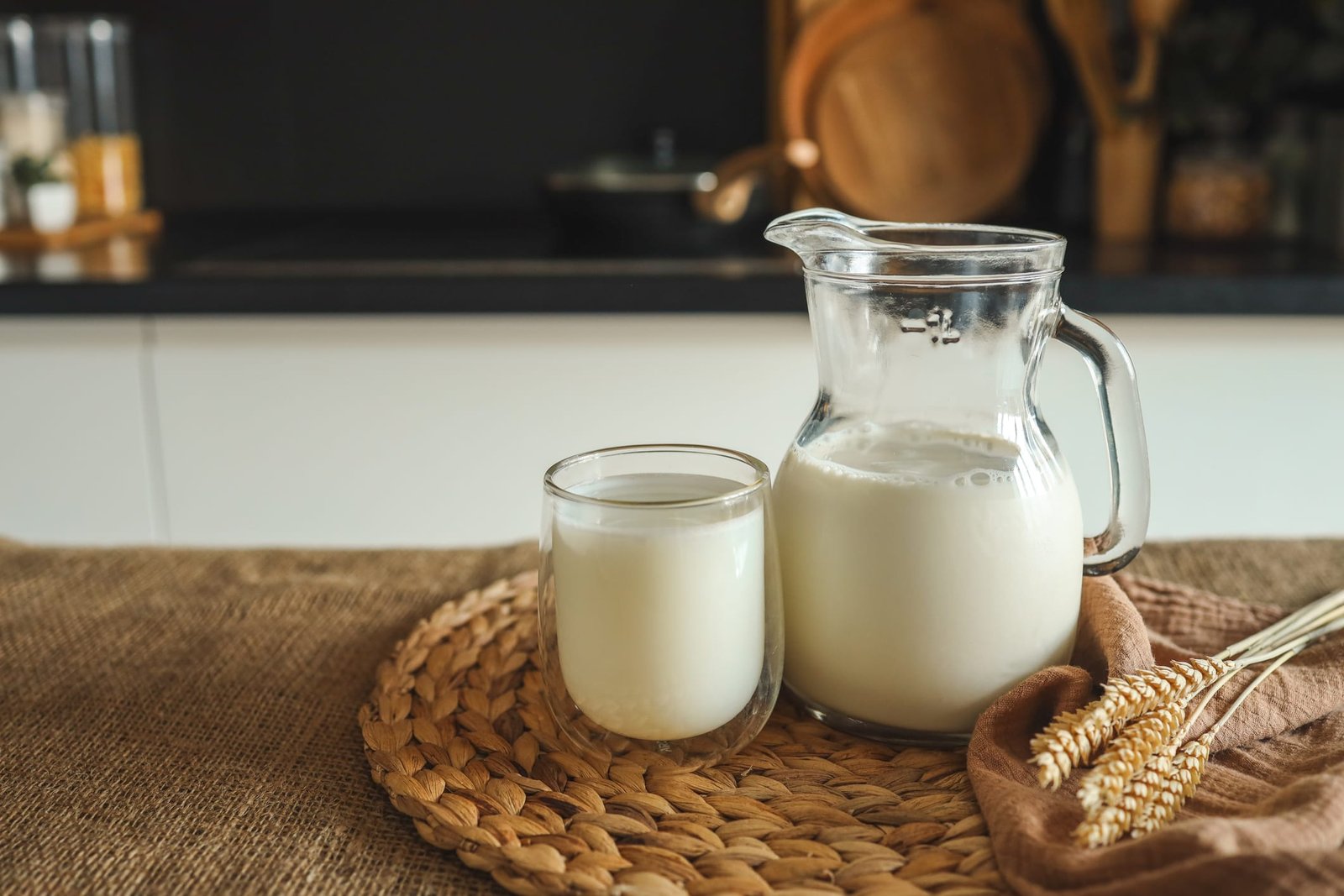
- Raw and non-homogenized, with a natural cream layer
- No grain, GMOs, antibiotics, hormones, or steroids, ever
- Bottled fresh in small batches right here on the farm
If you’ve been suspicious of milk for years and never quite figured out why, it might be worth trying a real A2/A2 raw milk before writing dairy off for good. We ship milk across a wide region, and honestly, the best way to know if A2 milk makes a difference for you is to pour a glass and pay attention to how you feel afterward. That’s how I’ve always judged food anyway! Not by what the label promises, but by how it actually treats you.