I know I wrote about “nutrient-dense food” not long ago. But I spend a lot of my days walking pasture, moving animals, and watching grass grow — and if there’s one thing that time has taught me, it’s that healthy food starts underground, not on a store shelf. Most of what fills grocery aisles today has two problems, and both quietly work against our health. Understanding them is the first step toward finding truly nutrient-dense pasture-raised food.
The Problem With What’s Added
Walk down almost any grocery aisle and you’ll find products loaded with artificial dyes, preservatives, fillers, and flavorings that have no business being called food. These ingredients don’t nourish anybody — they exist to make food cheaper to produce and easier to store on a shelf for months. It’s a system built for shelf life, not for human life.
The Problem With What’s Missing
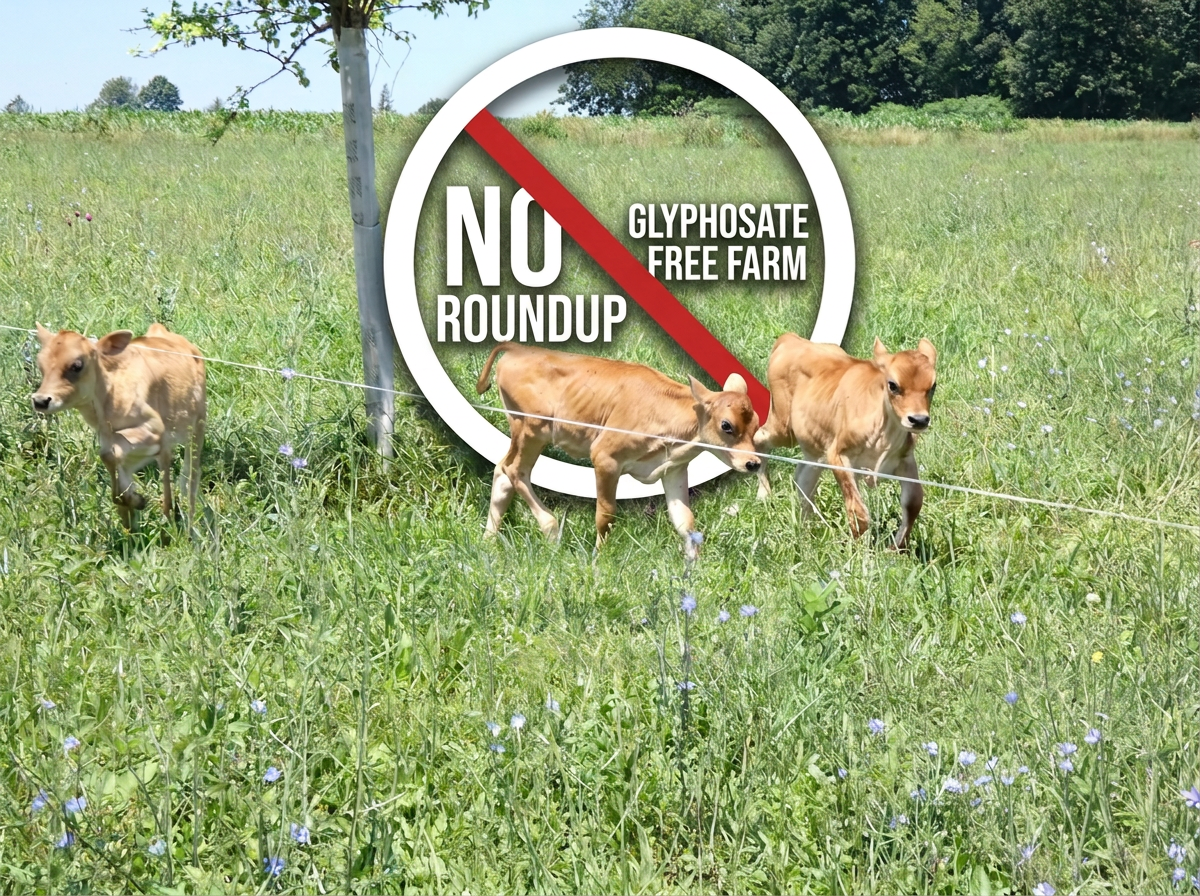
The second problem is quieter, but just as serious: modern industrial farming has stripped much of our food of the nutrition it once carried. Heavy tillage and chemical inputs damage the soil biology that plants depend on, and when soil is weak, the food grown in it is weak too. Research on beef systems backs this up — pastureland soil consistently shows higher organic matter and mineral content than cropland soil, and that difference travels straight up the food chain into the meat and milk we eat.
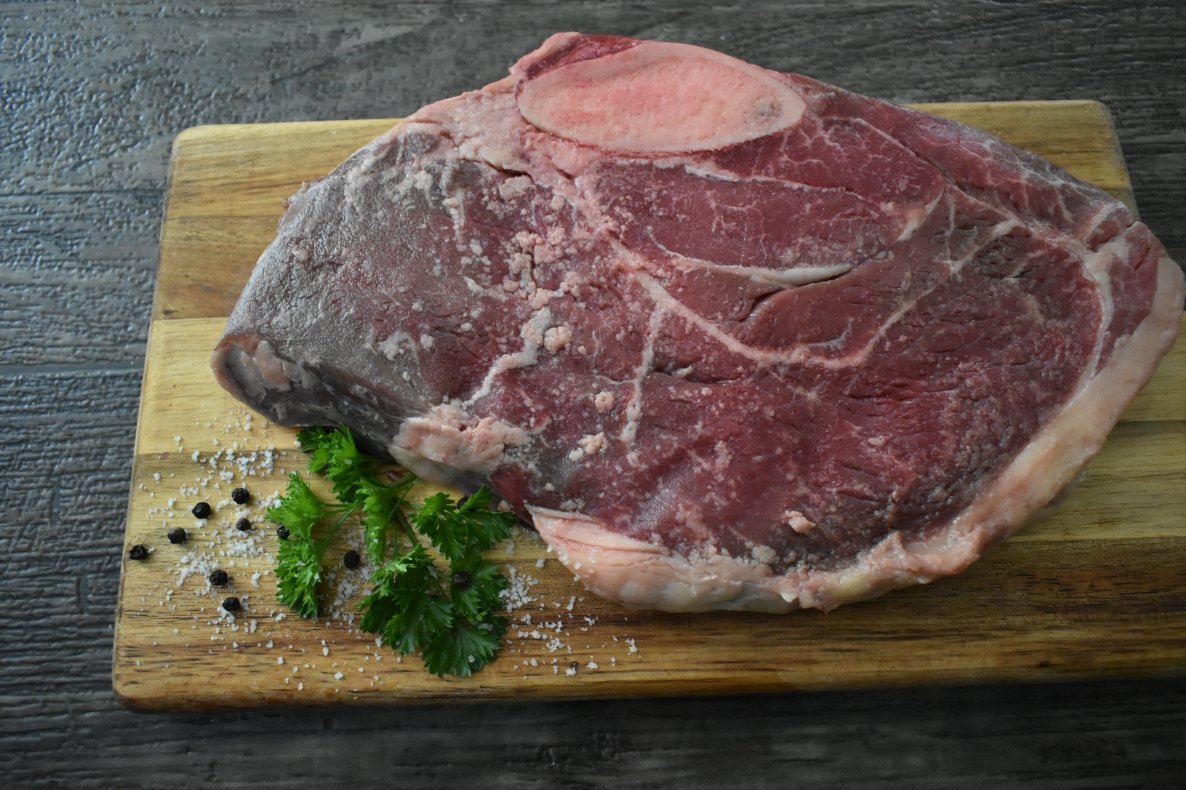
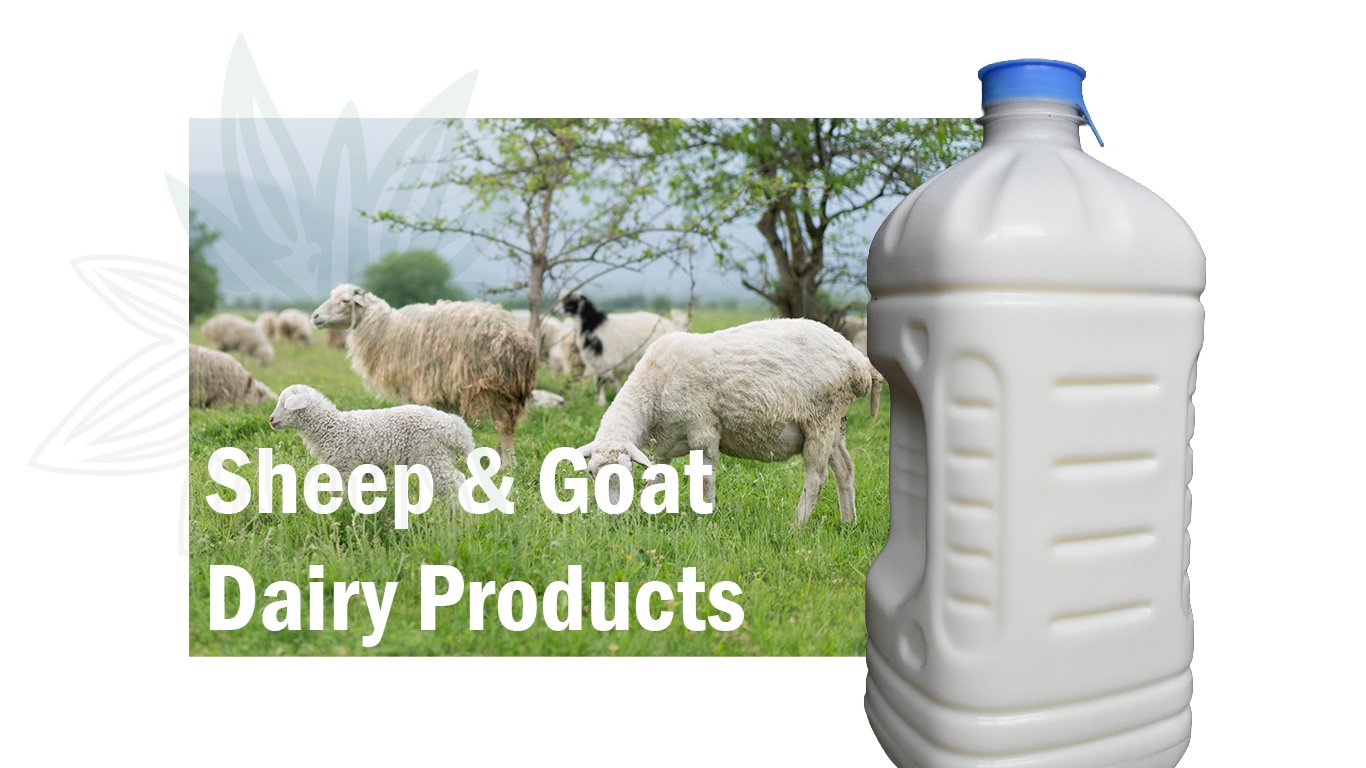
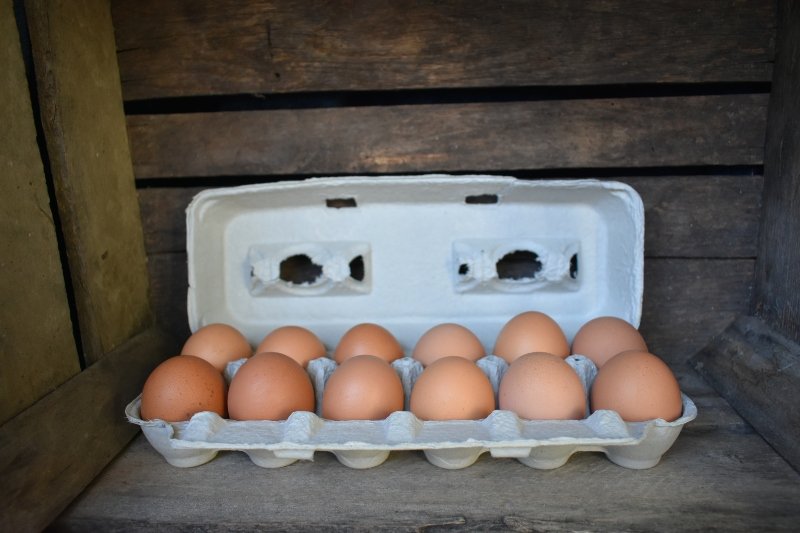
This shows up clearly in animal products. Cows, chickens, and pigs raised on corn- and soy-heavy diets simply can’t produce the same nutrient-dense milk, eggs, or meat as animals grazing diverse pasture. Their bodies were built for variety — grasses, herbs, insects, and naturally grown forage — not a monocrop diet. Studies comparing grass-fed and grain-fed beef have found meaningfully higher levels of antioxidants, vitamins A and E, and beneficial fatty acids in the pasture-raised product. That’s the difference between pale, bland food and something with real color, real flavor, and real nourishment.
Why Pasture Makes the Difference
- Diverse forage gives animals a broader range of nutrients than any single feed source can provide
- Rotational grazing builds organic matter and mineral density in the soil over time
- Healthier soil biology means the plants — and the animals that eat them — carry more of what our bodies actually need
- Nutrient-dense pasture-raised food tends to show richer color and deeper flavor, a visible sign of what’s happening beneath the surface
A Better Way Forward
The encouraging part is that both of these problems have practical solutions. Growing even a small garden can bring back flavor, color, and nutrition that industrial systems strip away, because you control the soil, the seeds, and the care that goes into every plant. We know that’s not realistic for every family, though — time, space, and life circumstances all play a role.
When growing your own isn’t an option, the next best step is choosing food from farms that build soil instead of depleting it, and that raise animals the way nature intended rather than cutting corners for volume. Every choice like that pushes the food system a little closer to one built on nourishment instead of shelf life.
From the Pasture: Spring always sneaks up on a farmer. One week you’re bundled up watching the last of the snow melt, and the next the chickens are ranging farther from their coops, scratching for bugs, and the cows and sheep are welcoming new calves and lambs almost weekly. It’s a good reminder that nutrient-dense food follows a season, not a schedule.
Taste the Difference for Yourself
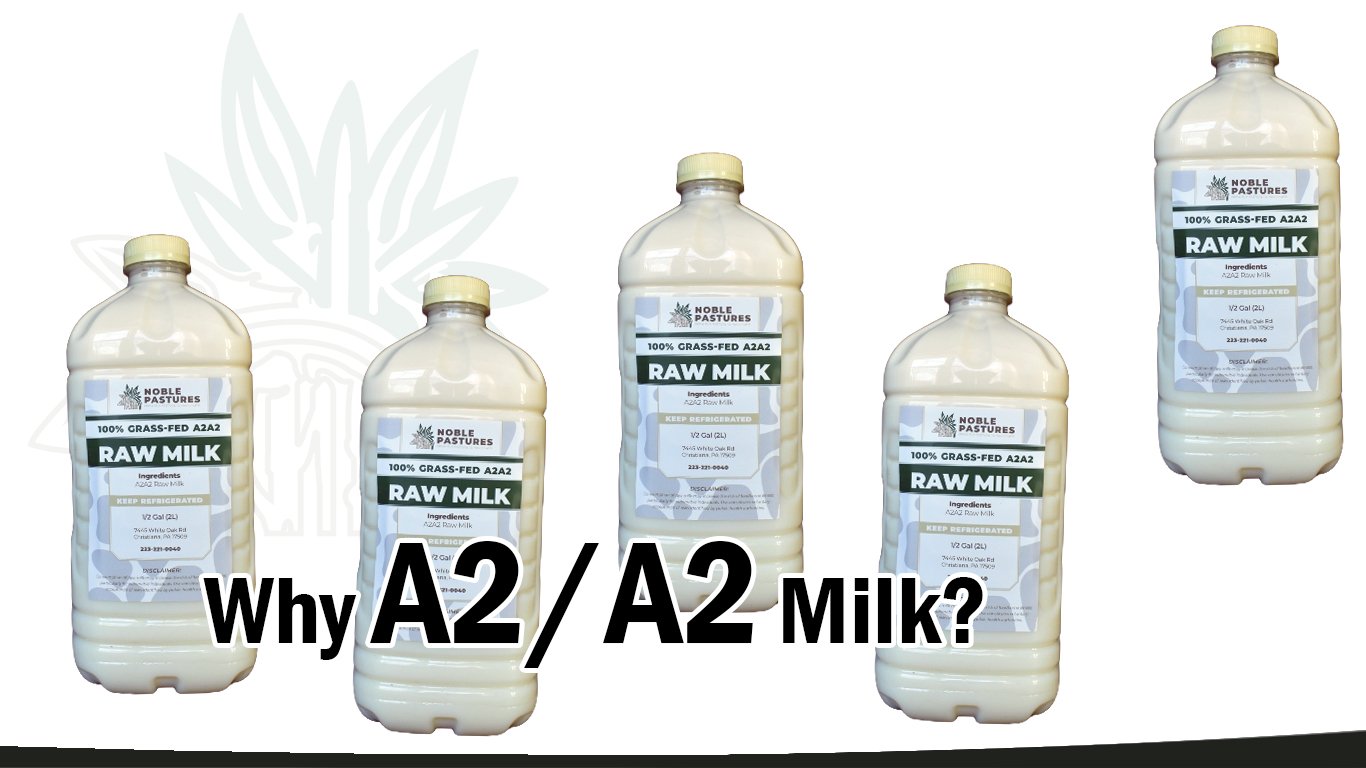
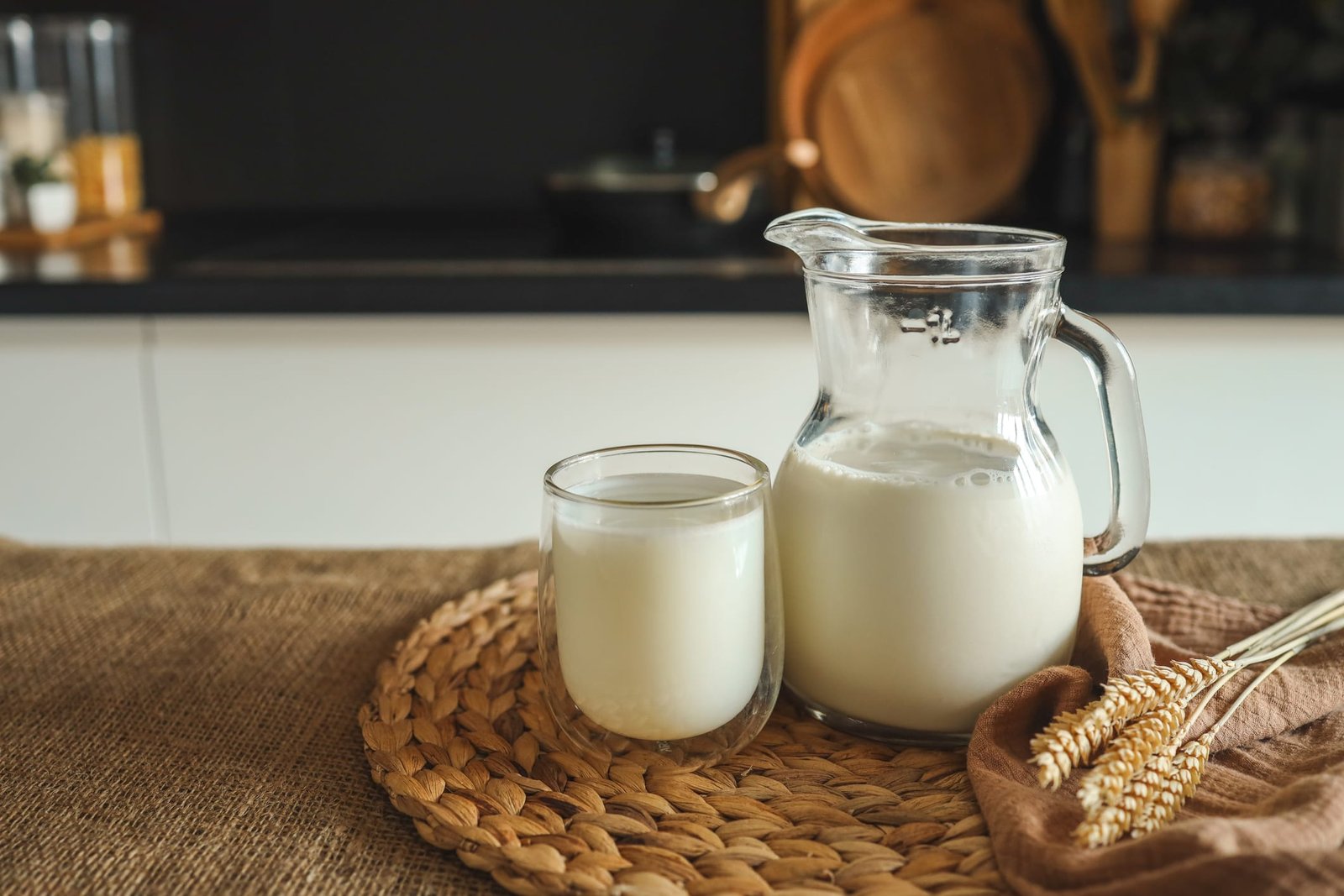
At Noble Pastures, this is exactly why we manage our herds and flocks the way we do — rotational grazing on diversified pasture, soil built up season after season, and animals raised the way they were designed to eat. If you’re ready to see what nutrient-dense pasture-raised food actually tastes like, explore our raw A2/A2 milk and other farm products, and taste the difference real pasture makes.