Every time a customer asks about raw sheep or goat milk, I can hear the hesitation in their voice. They know cow milk. They grew up on it. Sheep and goat milk feel like a leap into the unknown. I get it. I felt the same way up until a number of years ago.
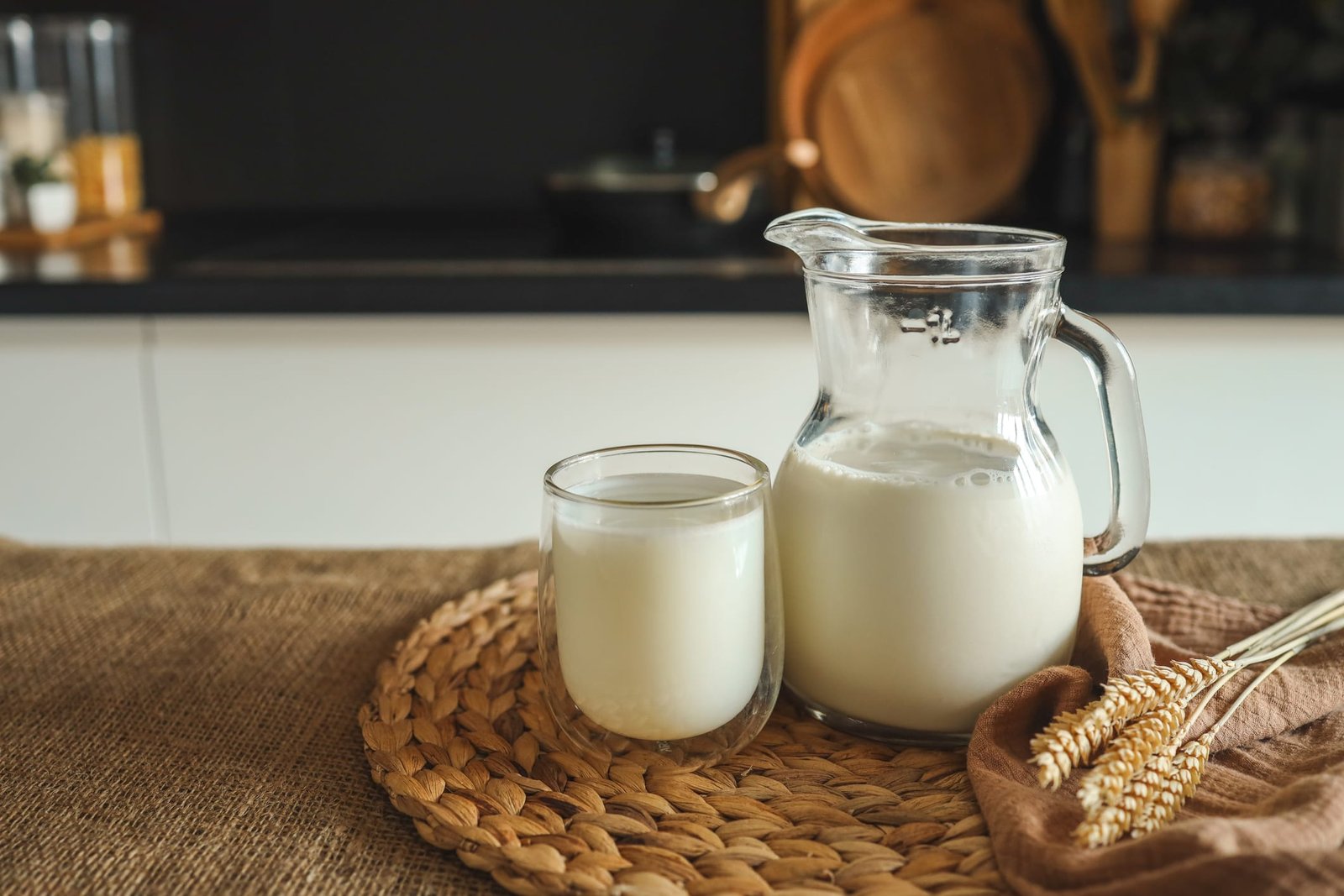
Here’s the thing I’ve learned: when you’re comparing sheep and goat milk vs cow milk, you’re not choosing a lesser or stranger version of the same drink. You’re tasting three genuinely different foods, each shaped by a different animal grazing a different way. Let me walk you through what your mouth and your body will actually notice.
What Goat Milk Actually Tastes Like
Goat milk gets a bad rap it doesn’t deserve. Most of the “goaty” flavor people are afraid of has nothing to do with the milk itself. It comes from how the animal was raised and handled. If a doe is housed too close to a buck, or the milk isn’t chilled fast after milking, you get that strong barnyard flavor. Fresh, properly handled goat milk is a different animal entirely: clean, slightly sweet, with a gentle tang and sometimes a faint grassy note depending on what the goats have been grazing.
Texture-wise, goat milk feels creamier in the mouth than cow milk, even though the fat percentages aren’t wildly different. That’s because goat milk’s fat globules are naturally smaller, so they blend more smoothly on your tongue instead of separating out. Our goats spend their days on pasture rather than penned up eating grain, which keeps that flavor clean and mild instead of sharp.
Sheep Milk: Richer Than You’d Guess
If goat milk surprises people with how mild it is, sheep milk surprises them with how rich it is. This isn’t a subtle difference. Sheep milk runs close to double the fat and protein of cow milk, which is why it produces such thick, luxurious cheese and yogurt. Research consistently shows sheep milk has notably higher fat, protein, and calcium than either cow or goat milk, which is exactly what you’d expect from an animal that evolved to nurse fast-growing lambs.
On the palate, that translates to a milk that feels almost like drinking cream. It’s sweet, dense, and satisfying in a way that cow milk just isn’t. A little goes a long way. Most people are shocked at how filling a small glass is.
Why the Nutrition Actually Matters
This isn’t just a flavor story. Sheep milk in particular stands out nutritionally, with meaningfully more calcium, protein, and B vitamins than cow milk, along with a higher share of medium-chain fatty acids that the body converts to energy more readily than longer-chain fats. Goat milk brings its own advantages: smaller protein and fat structures that many people digest more comfortably, along with solid calcium and potassium content.
None of that happens by accident. What an animal eats shapes what ends up in the milk. That’s the whole philosophy behind how we raise every animal on this farm. Cows, goats, and sheep alike graze on diverse, living pasture instead of standing around eating grain out of a trough. No “unnatural” farming practices, no confinement, no corn or soy filling out the diet. The animal does the work it was built to do, and the milk reflects it.
A Quick Side-by-Side
- Goat milk: mild, slightly tangy, creamy mouthfeel, gentle on digestion for many people.
- Sheep milk: rich, dense, notably higher in fat and protein, ideal for thick cheese and yogurt.
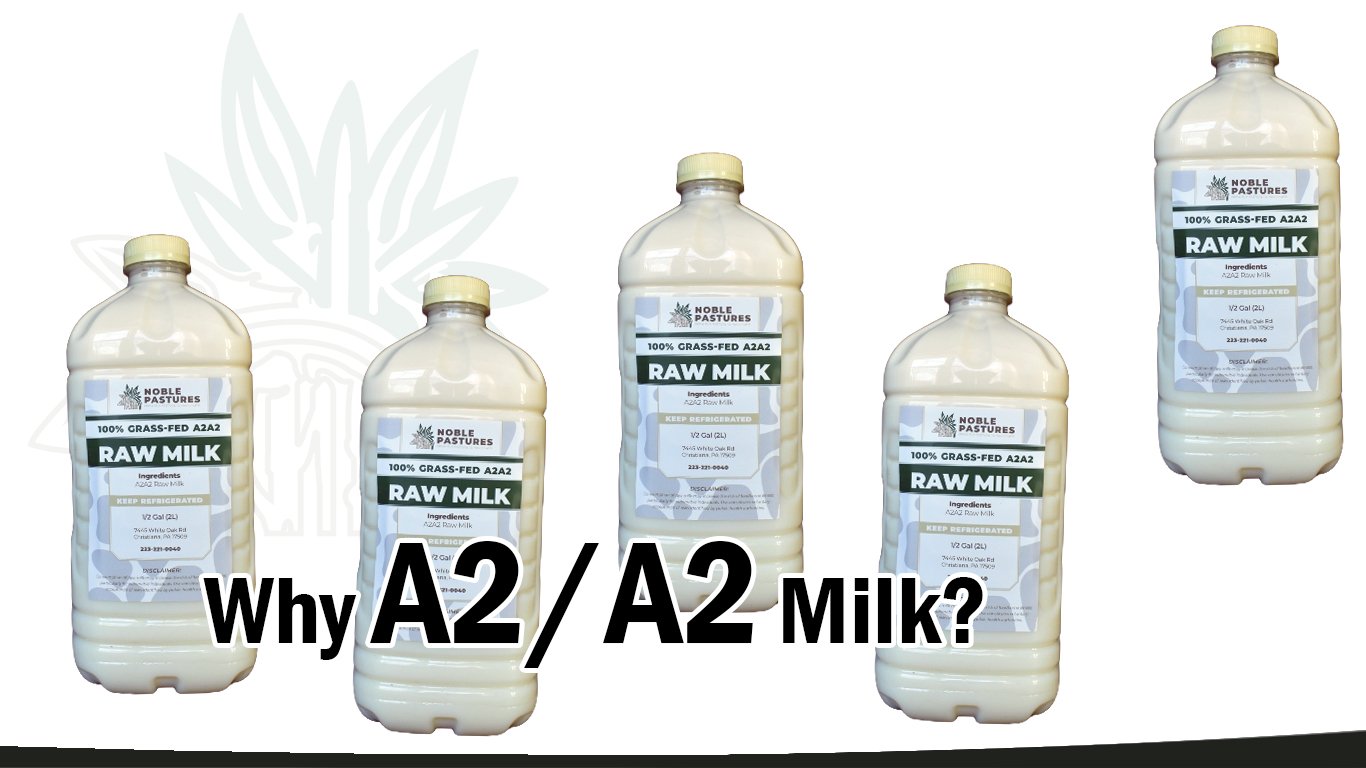
- Cow milk: familiar, sweeter, lighter body; especially our raw A2/A2 milk, which many find easier on the stomach than conventional A1 milk.
Give It an Honest Try
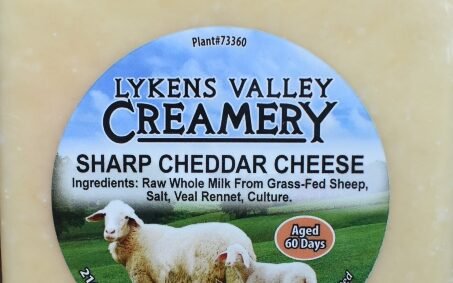
I don’t expect anyone to fall in love with sheep or goat milk on the first sip if all they’ve ever known is what comes in a plastic jug from the grocery store. But raised right, on pasture, without grain, without shortcuts, both are worth a real taste test. We keep raw sheep milk, sheep butter, and goat feta in rotation precisely because we believe in what comes off this land when animals are allowed to just be animals.
If you’re curious, start small. Pick up a quart of raw sheep milk or a block of goat feta next time you’re placing an order, and taste it the way it was meant to be tasted. Fresh, unprocessed, and straight from a farm that still does things the slow way.