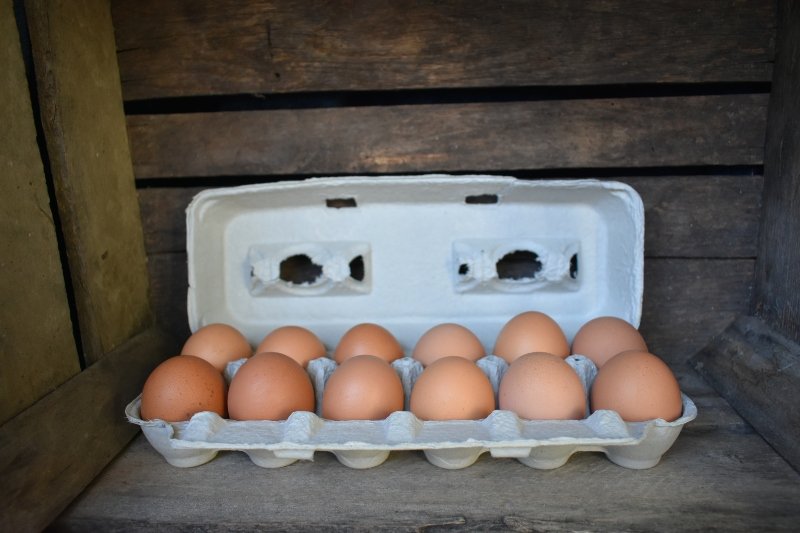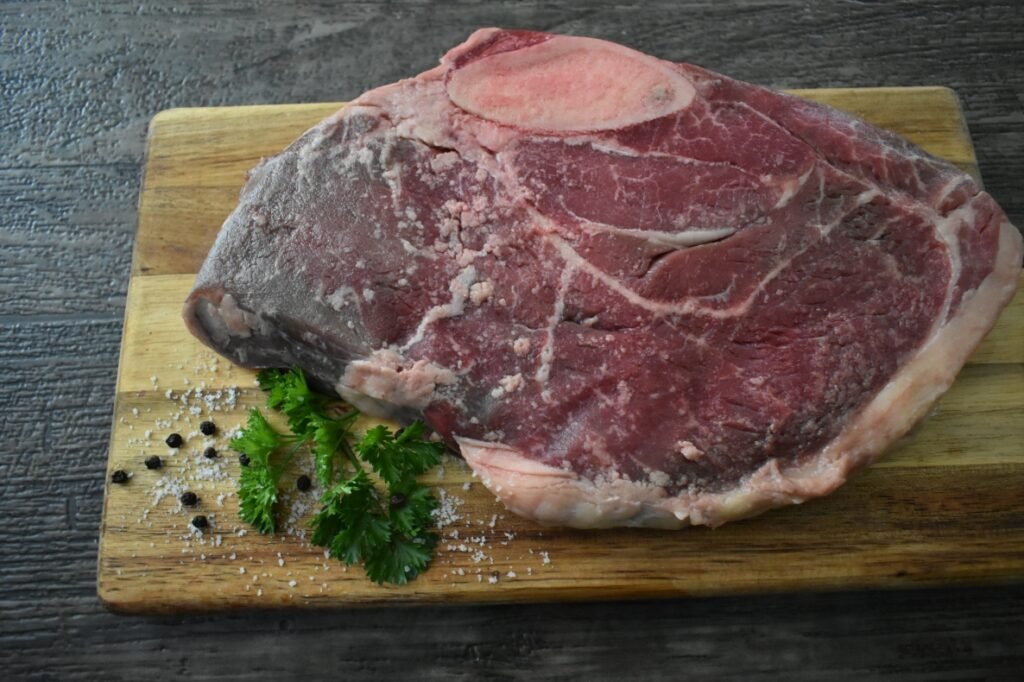
Folks ask us a fair question: “Are is your farm organic?” The short answer is that we are not USDA Organic certified. But the better conversation is about what happens on the farm every day, and that is where pasture-raised meat vs organic gets more interesting than an “organic” label on a package.
Organic certification does matter. It gives shoppers a verified standard and sets real rules for how food can be produced. At the same time, we believe a label should be the start of your questions, not the end of them.
What the Organic Label Tells You
Although the word organic has gotten to be a marketing word, at its core is the USDA Organic regulated certification. For livestock, it requires certified organic feed, prohibits antibiotics and added hormones, and requires preventive health practices. Ruminants must have pasture access during the grazing season, with specific requirements for time on pasture and the share of their feed that comes from it.
That is meaningful work, and organic is often a better choice than food produced with fewer safeguards. But certification is designed to verify compliance with a national rulebook. It cannot tell you every detail about a particular farm’s soil, grazing plan, animal care, or relationship with its customers.
It also does not mean a farmer uses no approved inputs at all. Organic crop standards allow certain substances from the National List when other management practices are not enough. That is one reason we encourage people to ask farms plain questions instead of relying on one word alone.
Pasture-Raised Meat vs Organic: Look at the Whole Farm
When I think about food for my family, I do not start with paperwork. I start with the pasture under my boots, the condition of the animals, and whether our choices are building a healthier farm for the long haul.
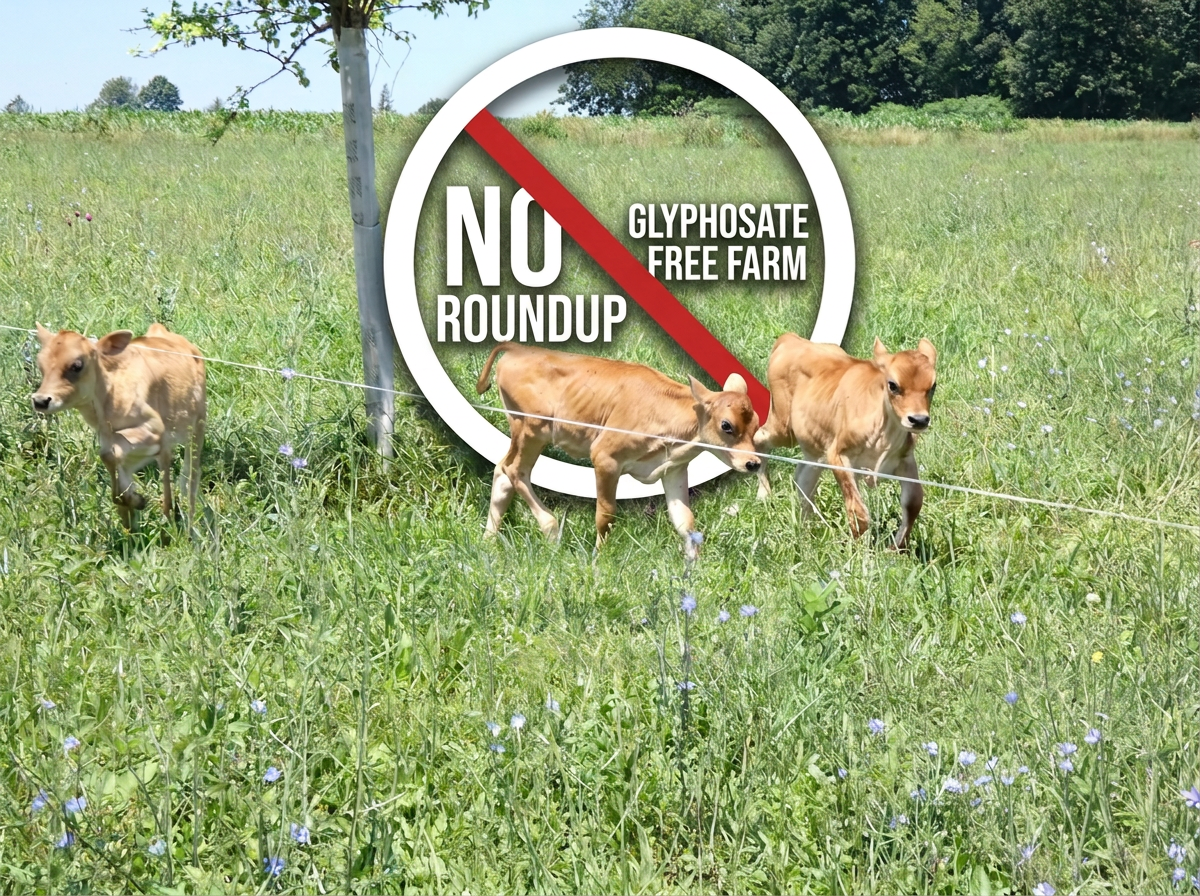
At Noble Pastures, our livestock spend the majority of their lives outdoors with fresh air, sunlight, and room to graze. Our grass-fed animals eat grass and forage from pasture—not grain, corn, or soy. We also raise our food without genetically modified organisms and without synthetic pesticides, herbicides, or artificial fertilizers.
Those choices are part of a connected system:
- Healthy pasture gives animals the forage they were made to eat.
- Rotating animals through pasture helps us manage grazing pressure instead of letting livestock hammer one spot bare.
- Cover crops, compost, and crop rotation help us care for soil without leaning on synthetic fertilizers.
- Fresh forage, clean living conditions, and daily observation help us focus on prevention rather than waiting for a problem to get big.
We do not believe in leaving a sick animal untreated to protect an insurance claim (we’ve heard that’s done on some farms!). If an animal needs medical treatment, we handle that responsibly; that animal is removed from our raw milk and meat program. Animal care has to come first.
Why Transparency Matters to Us
Organic certification requires a written plan, records, inspections, and annual fees. Those systems can provide valuable accountability. For our small family farm, though, the clearest accountability is being open about how we work and welcoming honest questions about it.
We eat the food we raise. That changes the way you look at every decision—from the seed and forage grown in a field to the condition of an animal on a cold morning. We are not chasing a trend or trying to find the cheapest shortcut. We are trying to grow clean, honest food that we can stand behind at our own kitchen table.
You can read the details behind our farm protocols, including what we mean by grass-fed, pasture-raised, chemical-free, non-GMO, and drug-free.
Choose Food You Can Ask About
The best answer to pasture-raised meat vs organic is not that one term automatically wins. Organic certification gives you a useful verified standard. A transparent, pasture-based farm lets you see the whole picture: what the animals eat, how they live, how the land is cared for, and what the farmer is willing to explain.
We are working to provide food raised with respect for the land, the animal, and the family sitting down to eat it. If that is the kind of farm you want to support, we would be glad to welcome you to the Noble Pastures family!