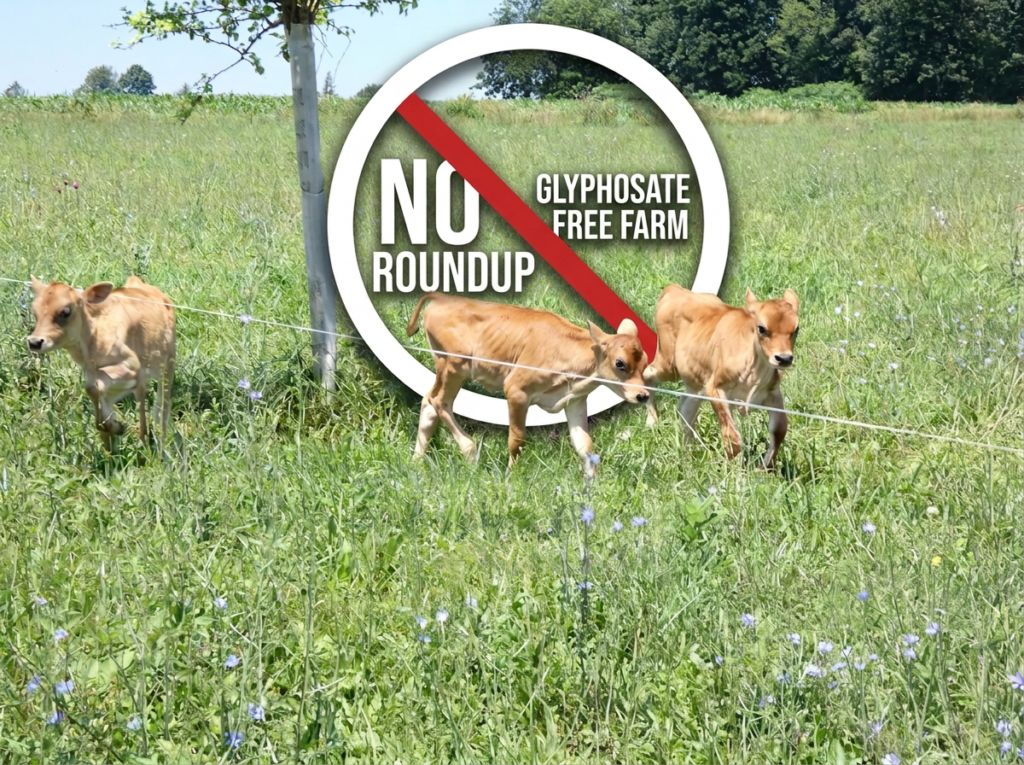
People ask me all the time why we don’t just spray our fields like everybody else does. It would be cheaper. It would be faster. And honestly, some weeks when the thistle is winning, it would be tempting. But Roundup-free farming isn’t a marketing angle for us. It’s a conviction we’ve built our whole farming operation around, and I want to walk you through why that is.
What Roundup Actually Does to Soil
Glyphosate, the active ingredient in Roundup, is engineered to kill weeds fast and cheap, and on that narrow goal, it works. But soil isn’t a blank slate you can spray clean and start over on — it’s alive. Research on soil biology has found that repeated glyphosate use can reduce beneficial microbial diversity, damage mycorrhizal fungi partnerships that help plants access nutrients, and even lower populations of earthworms over time. Some studies show the effects on soil microbes are more subtle than others suggest, which is part of why the science is still debated — but the risk to soil life is real enough that we don’t think it’s worth taking on the ground we depend on for everything we grow.
There’s also the question of where glyphosate ends up. It binds tightly to soil particles in the top layers, but under the right conditions it can move through runoff, drift, or leaching into water and even into plant tissue through the roots. That’s not a risk we’re willing to introduce onto pasture our cows graze every single day, and it’s not something we want anywhere near the milk and food that ends up on your family’s table.
Building Fertility Without a Bottle
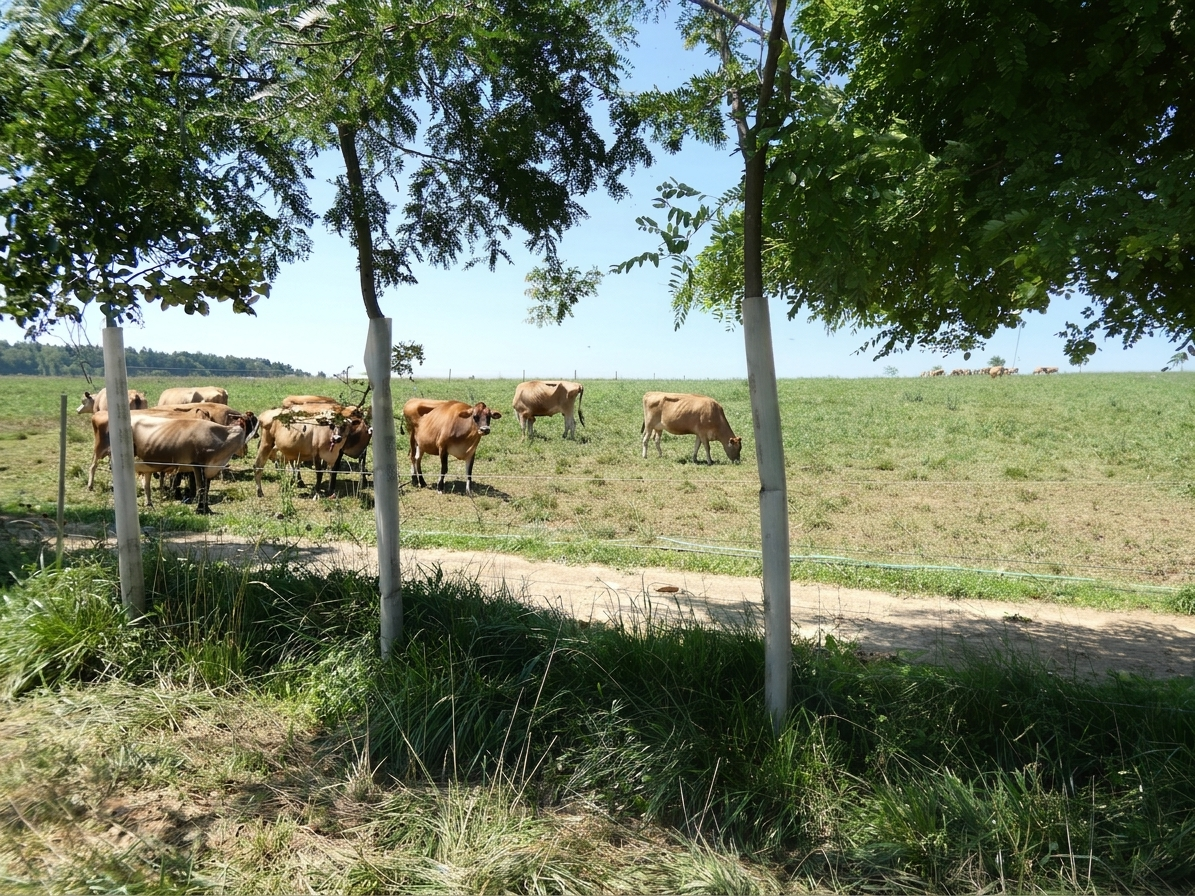
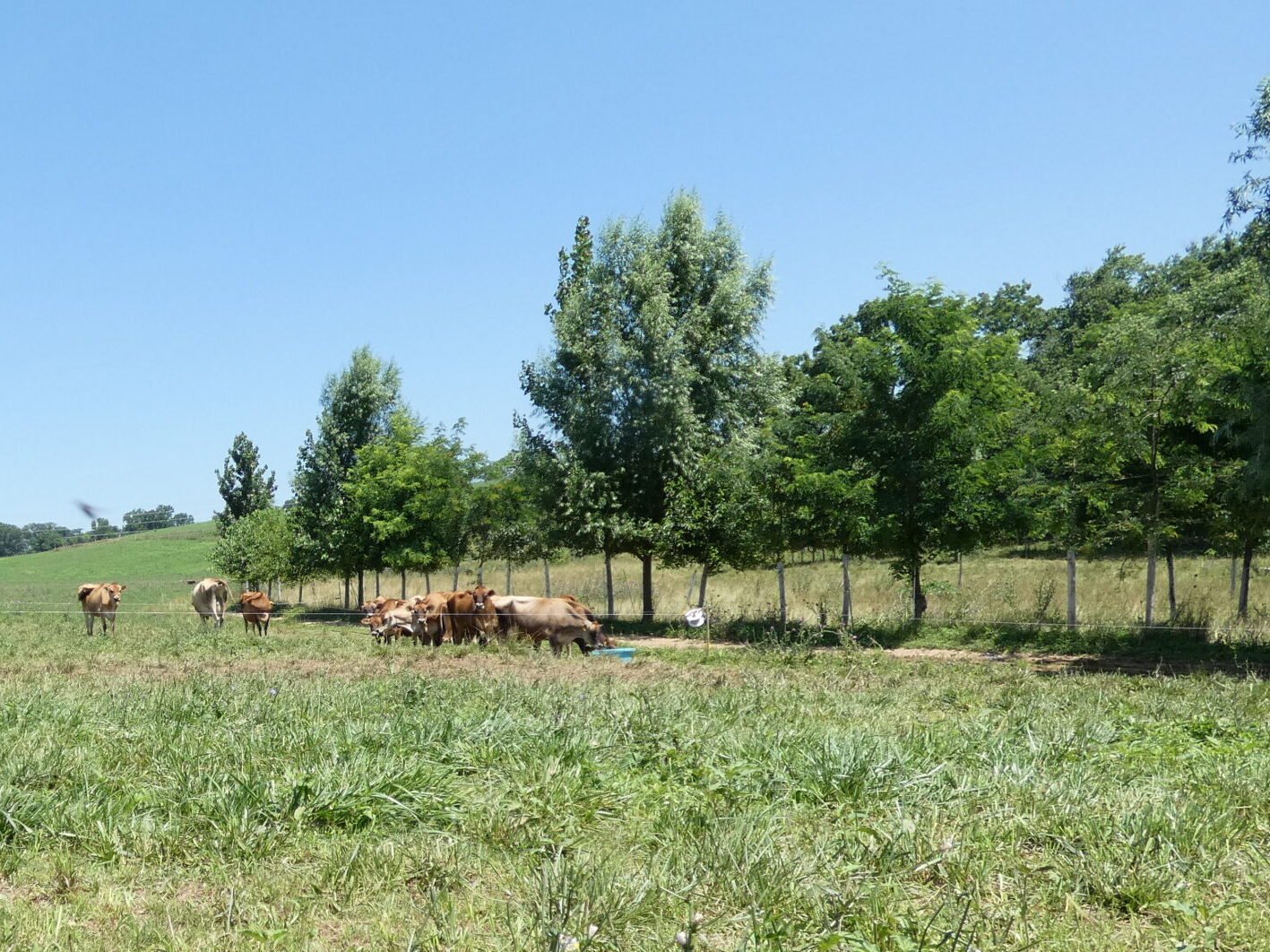
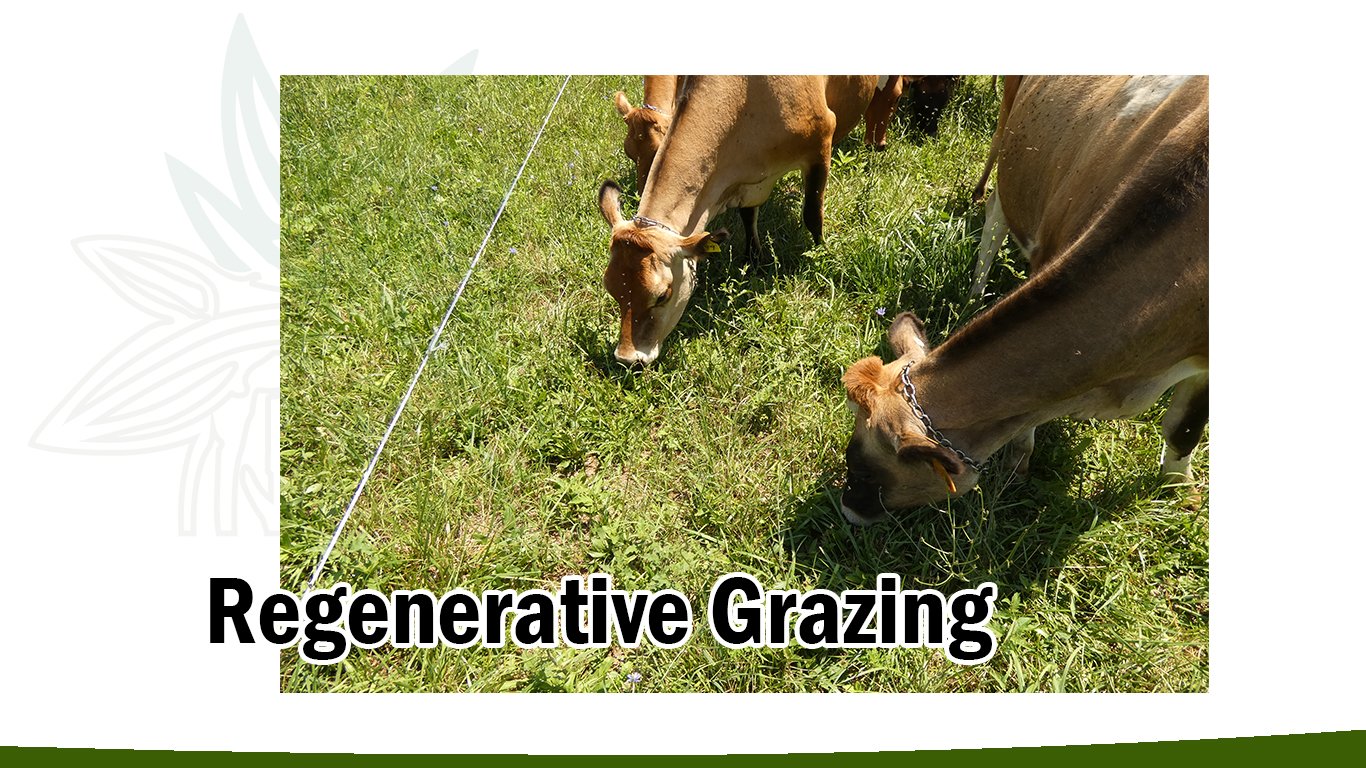
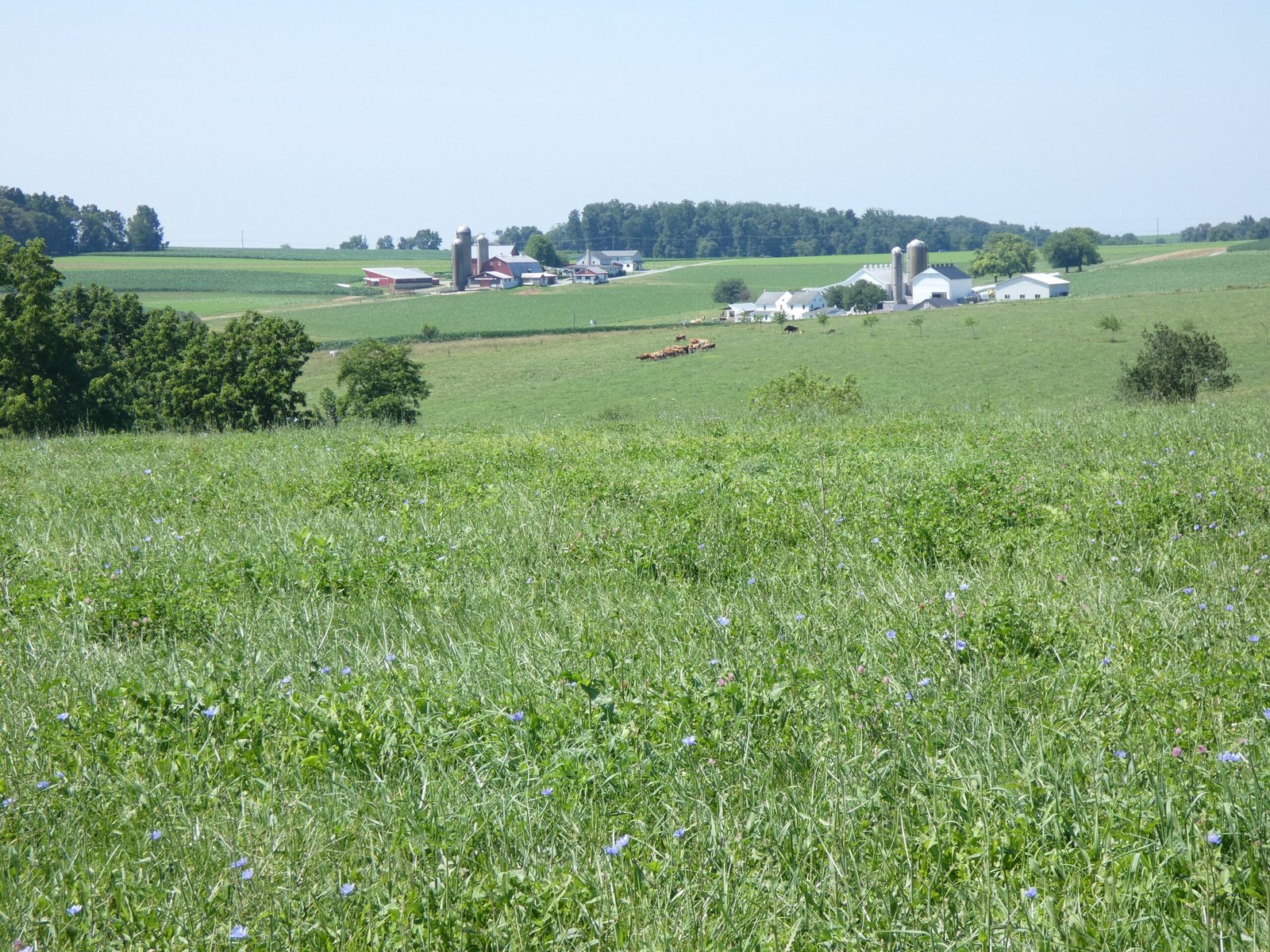
Instead of reaching for a sprayer, we build pasture health the slow way — through rotational grazing, encouraging deep-rooted grasses, and letting the animals do a lot of the work nature already designed them to do. Rotational grazing moves cows through smaller sections of pasture so grass gets real rest between grazings, which lets roots grow deeper and soil biology recover and thrive. Deep-rooted grasses, in turn, pull nutrients from further down in the soil profile and hold ground against erosion far better than the shallow-rooted stuff that shows up when a field’s been chemically managed for years.
This is regenerative agriculture in the most practical sense. It is a set of daily decisions that add up:
- Rotating animals to mimic natural grazing patterns and let pasture rest and rebuild
- Favoring diverse, deep-rooted forage over quick-fix monocultures
- Skipping synthetic herbicides and letting healthy pasture crowd out weeds naturally
- Prioritizing long-term soil fertility over short-term convenience
None of this happens overnight. Healthy pasture is something you build in years, not weeks, and there are seasons where the weeds get ahead of us before the grass catches up. But every season we skip the chemicals is another season the soil gets a little more resilient, a little more alive.
Why It Matters for What Ends Up on Your Table
Here’s the plain truth: the food we grow only reflects the ground it comes from. If we cut corners on the land, we’re cutting corners on what our cows eat, what ends up in the milk, and ultimately what your family puts in their bodies. Roundup-free farming is our way of refusing that shortcut. It’s slower, it’s more work, and some years it costs us more than a few gray hairs — but it’s the kind of farming that honors both the land and the people eating from it.
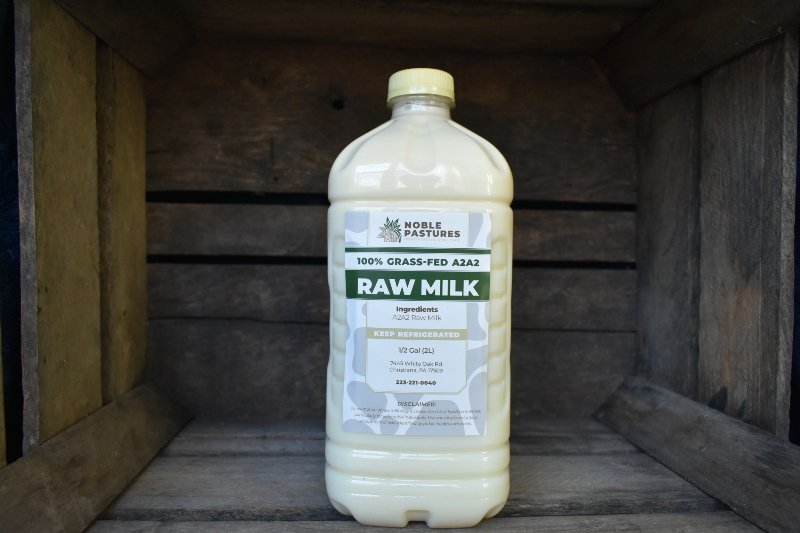
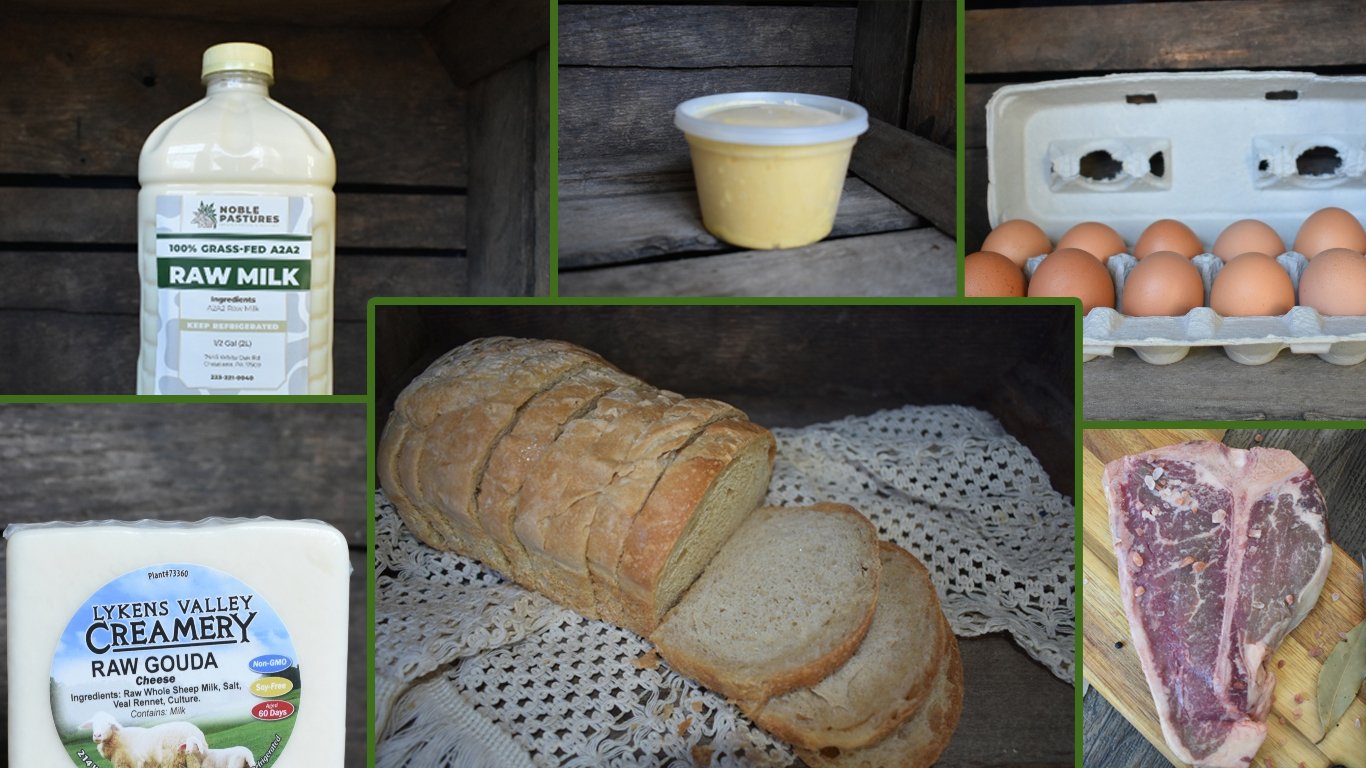
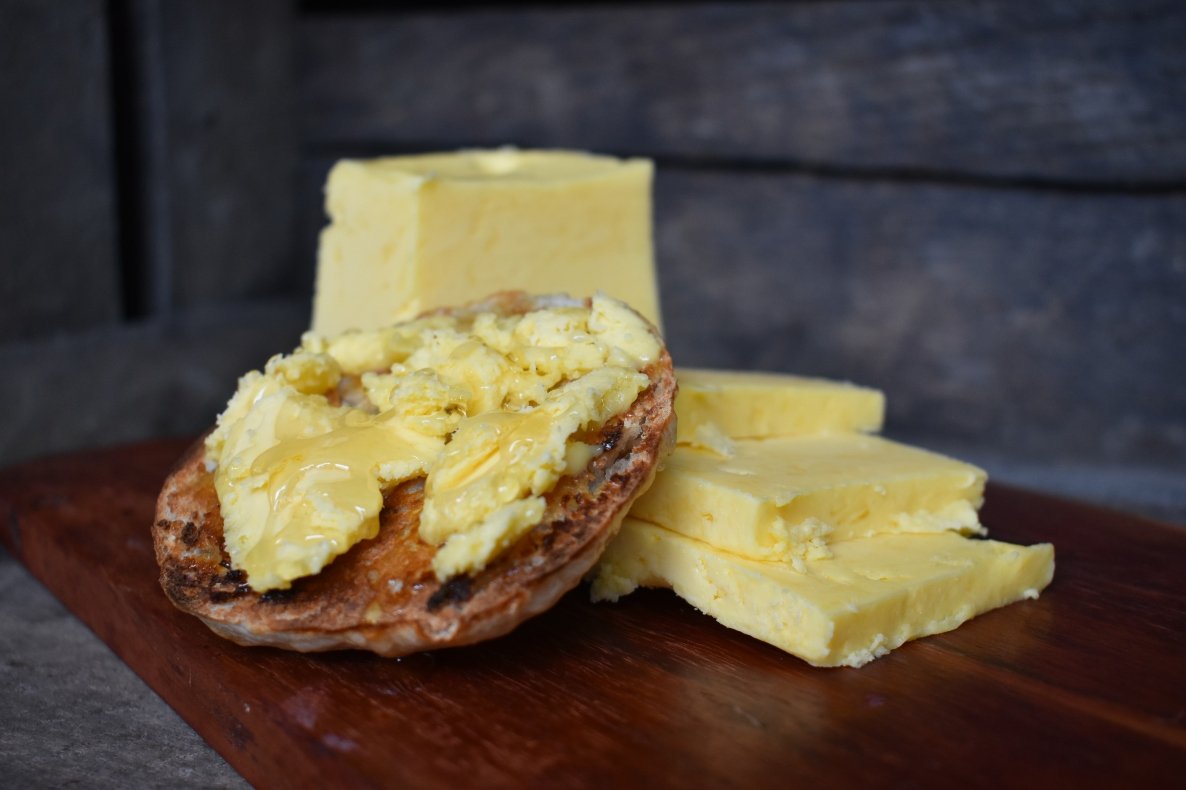
If this is the kind of farming you want to support, we’d love to have you on the journey with us. Take a look at what we’re growing and raising at Noble Pastures, and see for yourself what pasture-based, chemical-free food looks and tastes like when it comes straight from healthy ground.