A question I hear in different forms is, “If wildlife does not get managed like farm animals, what keeps it healthy?” It is a fair question, and and I want to give some answers based on what I’ve experienced with keeping pasture-raised animals healthy.
The short answer is that nature is not a blueprint we can copy blindly. Wild animals face disease, parasites, predators, weather, and injury without anyone there to help. Farming carries a different responsibility: we bring animals into our care, so we need to pay attention, prevent trouble where we can, and step in when an animal needs help.
For me, the lesson is not to do less for livestock. It is to build a system where good health starts long before there is a problem to treat.
Health Starts With the Daily Environment
Animals do not thrive because of one magic input. Good health comes from the whole picture: fresh air, room to move, appropriate feed, clean water, dry places to rest, and low-stress handling.
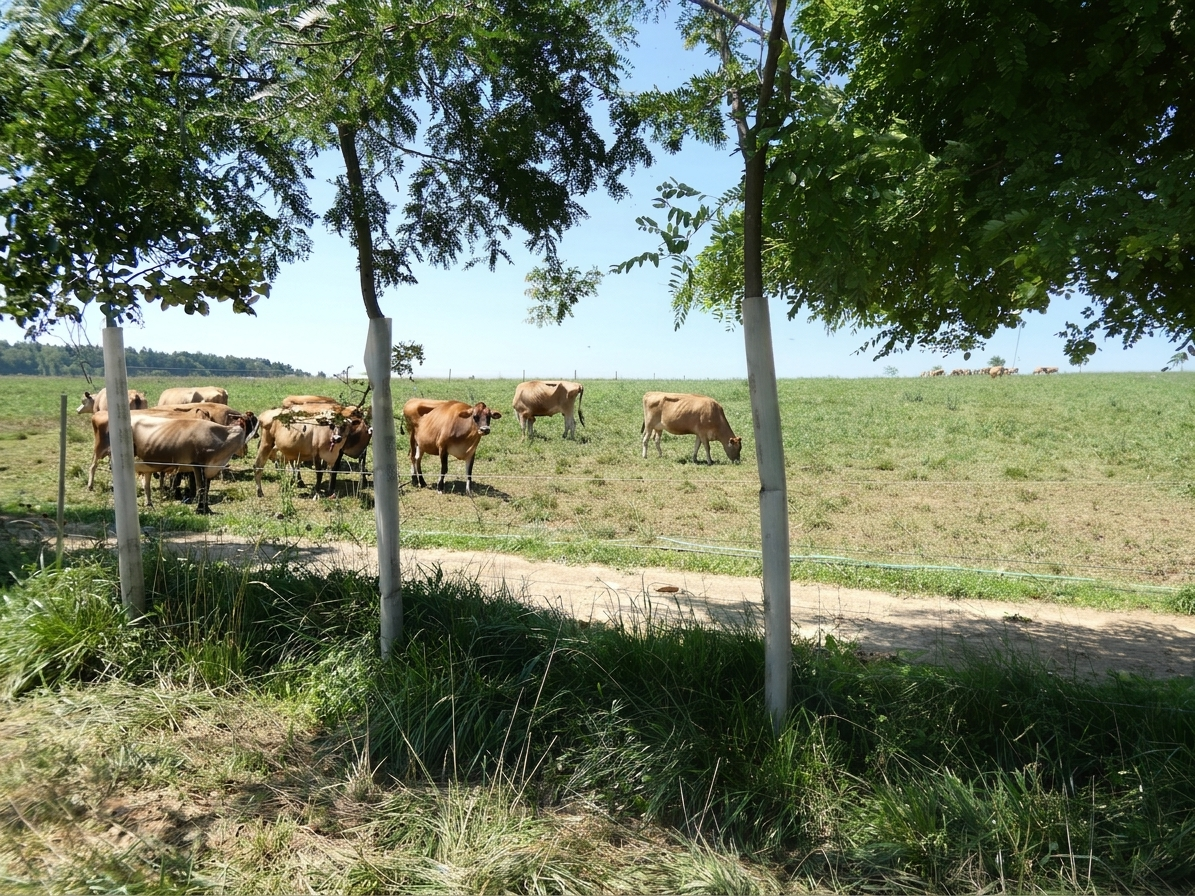
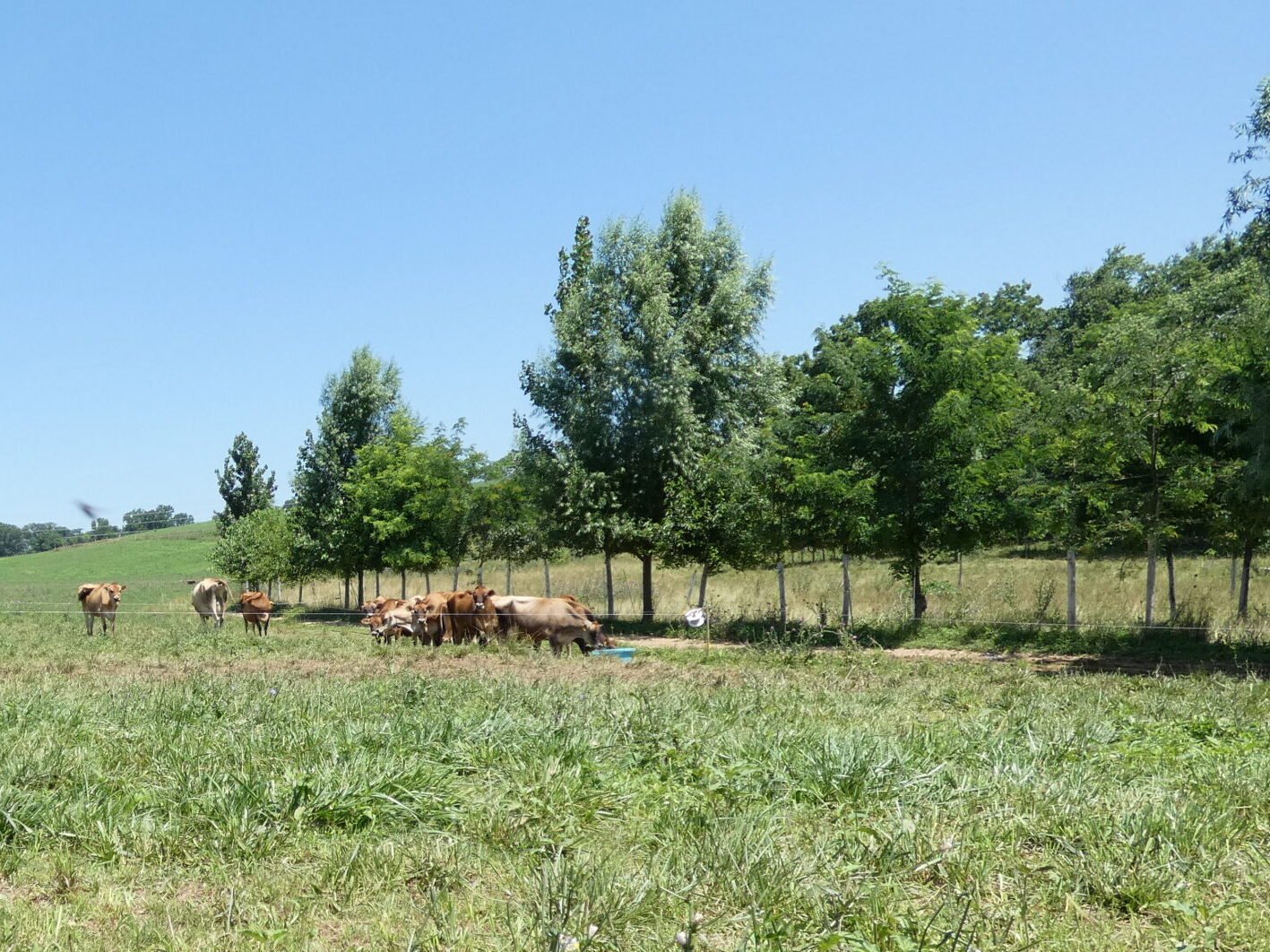
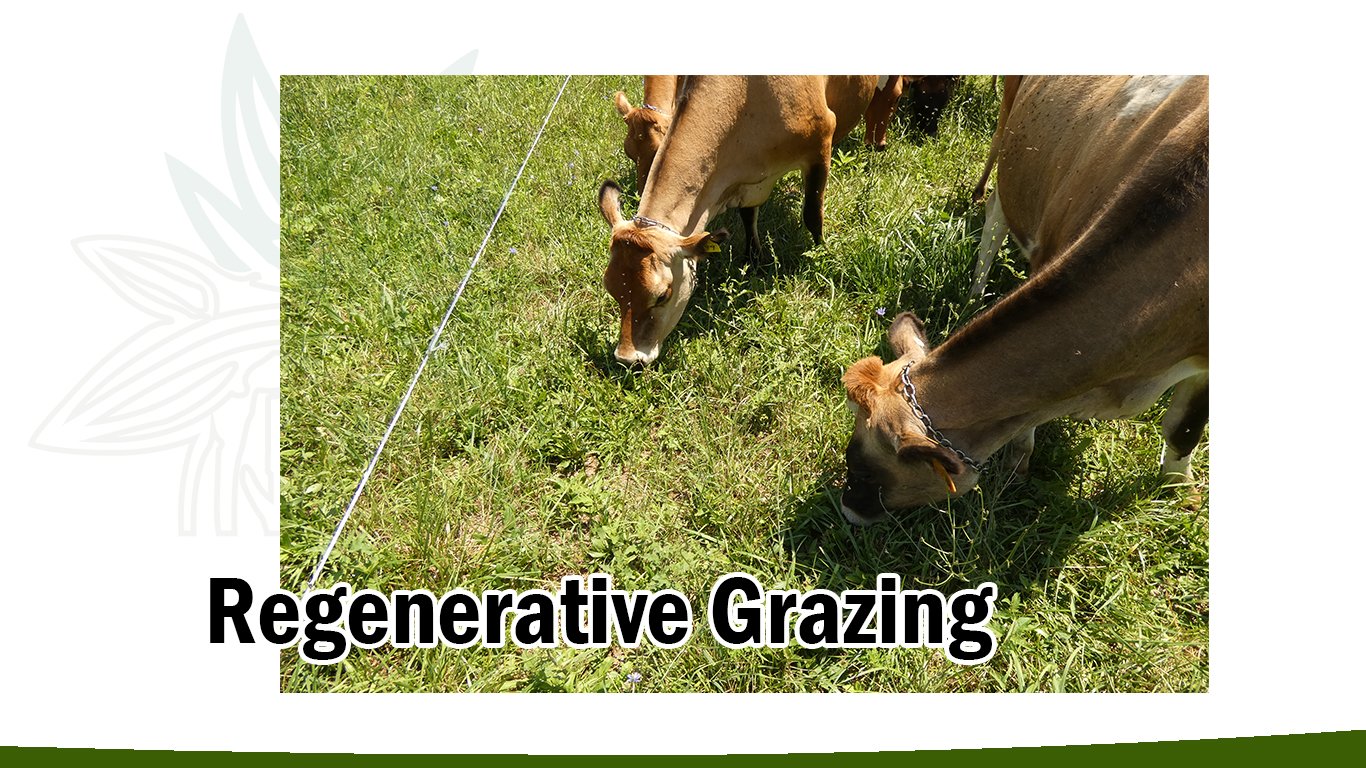
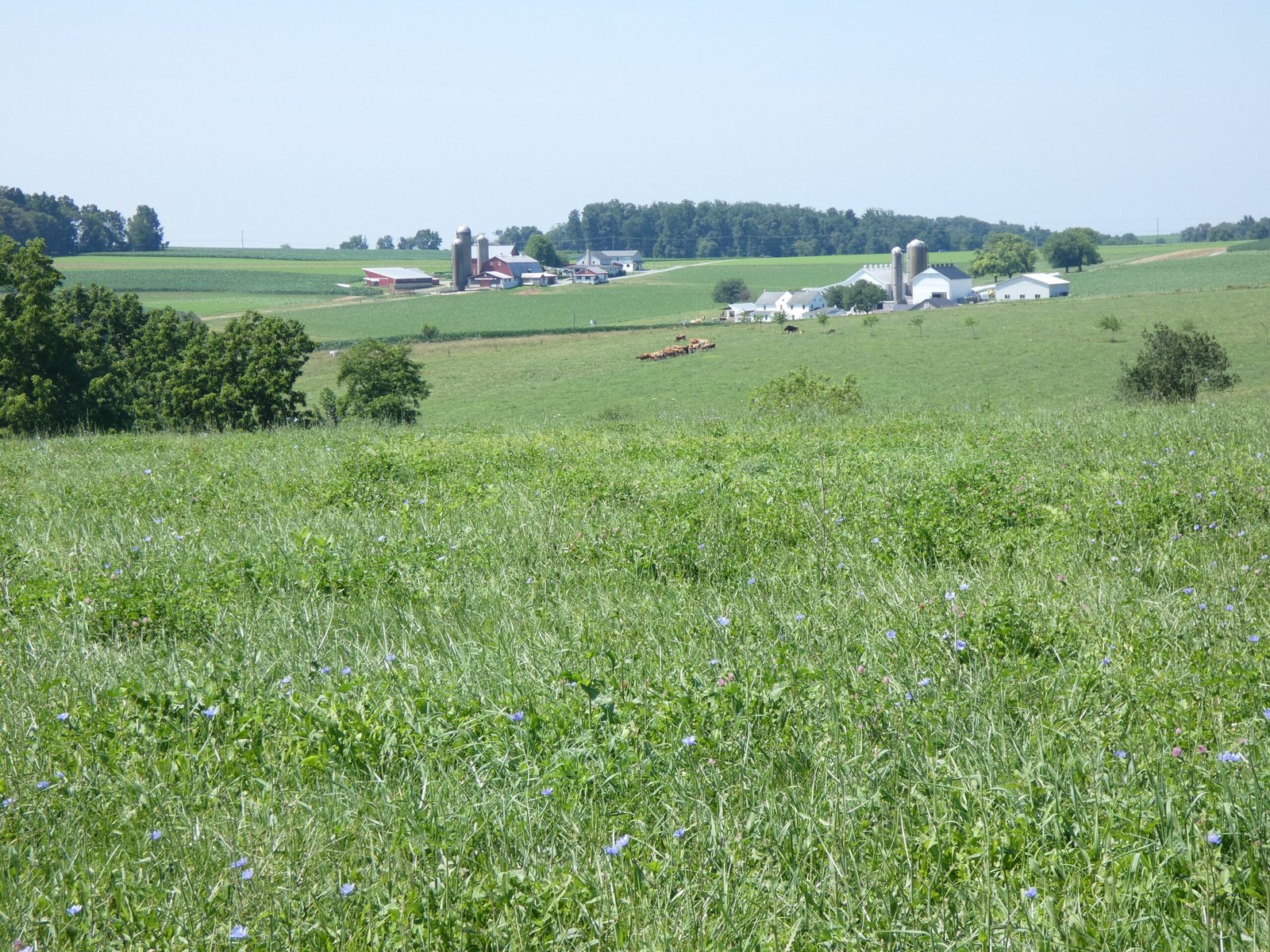
At Noble Pastures, that means respecting the way animals were made to live. Our livestock spend time outdoors with fresh grass and open air rather than being treated like production machines. We believe a healthy environment is the foundation.
Here are a few of the plain, unglamorous things that matter every day:
- Watching animals closely enough to notice changes early
- Keeping feed and water clean and suited to the animal
- Giving animals space, shade, and a clean place to rest
- Managing manure, mud, and crowding before they become problems
- Moving with the seasons instead of forcing the farm into a rigid plan
How well we do this work directly affects animal wellness.
Pasture-Raised Animal Health Is Built Before Trouble Starts
Research and good stockmanship point in the same direction: nutrition, sanitation, biosecurity, genetics, stress management, and vaccination decisions all work together. No single tool replaces the rest.
That is why I am careful with easy answers. Pasture access can support a better daily life for livestock, but pasture is not a force field. Weather changes. Parasites happen. New animals can bring new risks. A farm needs observation and a plan, not wishful thinking.
The strongest approach is prevention: make the healthy choice the easy choice for the animal, then catch problems early. That is better for the animal and better for the farmer than waiting until a small issue turns into a hard one.
The Vaccination Question Deserves Honesty
It is tempting to compare farm animals with deer or other wildlife and call it settled. But wild animals are not invincible, and wildlife disease management can include vaccination in certain situations. Farm animals also live in a different setting, with different disease pressures and a farmer responsible for their welfare.
A sound herd-health plan should be specific to the farm, the animals, local disease risks, and the advice of a veterinarian who knows the operation. Vaccines can be an important preventive tool, but they are not a substitute for proper nutrition, clean conditions, careful sourcing of animals, or daily observation.
The same goes for treatment. Our goal should never be to ignore a sick animal in the name of a philosophy. Good stewardship means using sound judgment, caring for the animal in front of us, and being transparent about the food we produce.
Strong Animals Need Thoughtful Farmers
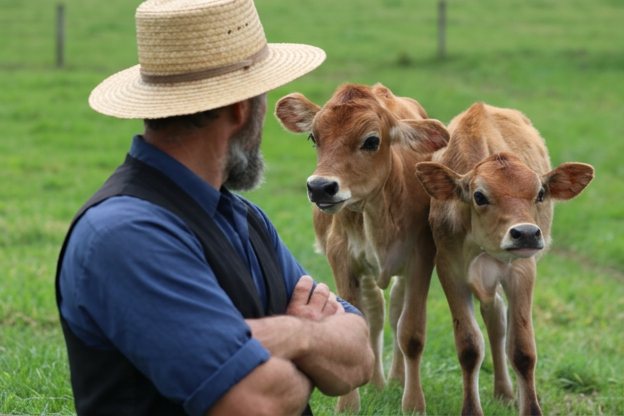
I like to ask, “What is this animal telling me?” Are they comfortable? Are they eating well? Is the pasture holding up? Is the weather putting extra pressure on them? Those questions keep us learning.
Good genetics matter, too, but genetics do their best work when paired with good management. You cannot neglect an animal’s environment and expect breeding alone to carry the load. Healthy land, capable animals, and attentive people belong together.
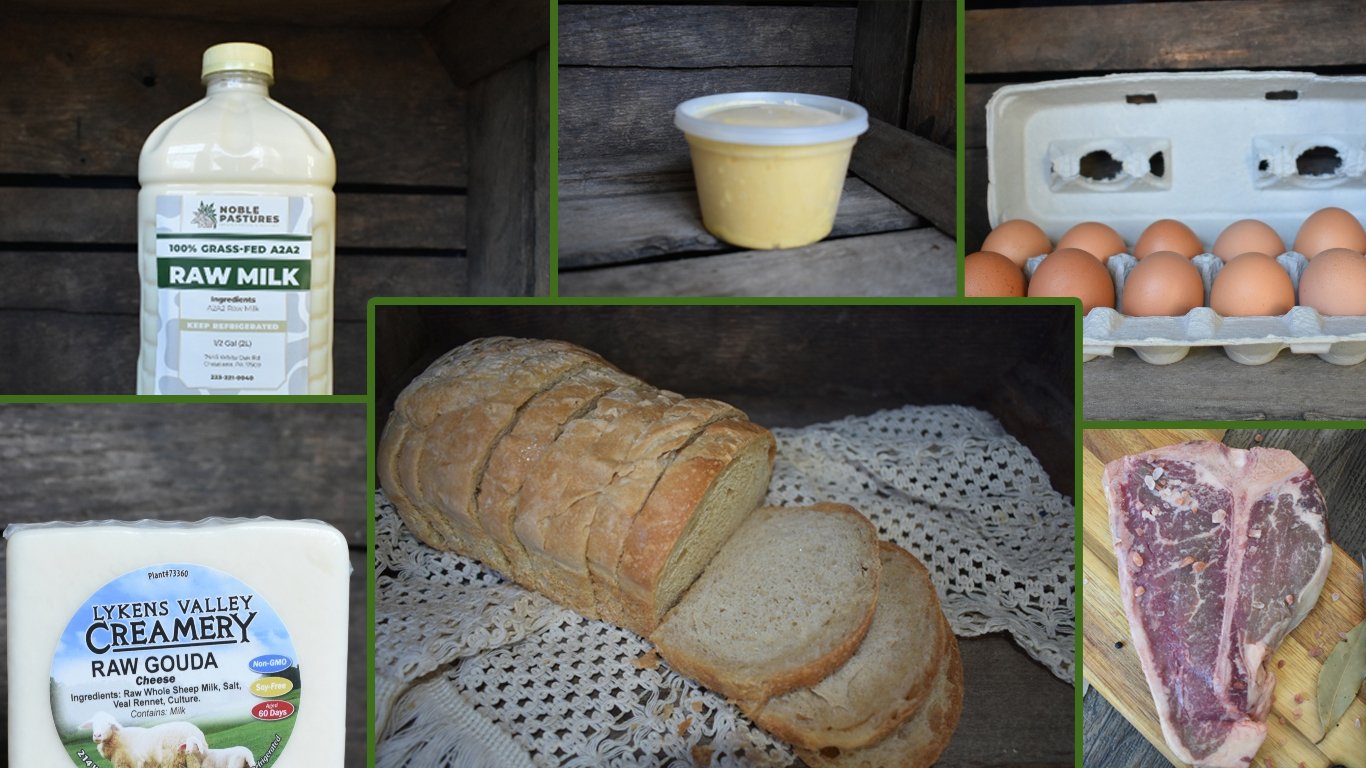
That is the kind of pasture-raised animal health we are after at Noble Pastures. Steady care rooted in how animals and land actually work. If that approach matters to your family, we invite you to explore the foods we raise and produce with that same respect for the farm.