“Regenerative agriculture” gets thrown around a lot these days — on granola bar wrappers, in corporate sustainability reports, on labels for just about anything somebody wants to sell you as “better.” But strip away the marketing gloss, and the word itself tells a much older, much simpler story.
I’ve been farming long enough to know that words matter, and this one has gotten stretched pretty thin. So let’s go back to the dictionary for a minute, because it actually clears things up.
Going Back to the Word Itself
Merriam-Webster defines “regenerate” as formed or created again, or restored to a better, higher, or more worthy state. Read that twice and a question pops right out: if we’re trying to create something again, what was the original?
That question matters more than most people realize. The industrial food system most of us grew up inside — chemical fertilizers, confinement barns, monocultures, GMO seed, synthetic pesticides — is barely seventy years old. In the long sweep of human agricultural history, that’s not tradition. That’s an experiment, and a fairly recent one at that.
When you measure that experiment by the condition of our soil, our health, and our ecosystems, the results are getting harder to ignore. Research on pasture-based dairy systems has shown real, measurable differences in the nutrient composition of milk from grass-fed herds compared to grain-fed operations — differences in fatty acid profiles that matter for the people drinking it.
Grass-Fed Isn’t New — It’s Original
Here’s a misconception I run into all the time: people assume 100% grass-fed beef or milk is some kind of modern wellness trend. It’s not. It’s simply how ruminants lived, and how they nourished people, for thousands of years before anyone thought to change it.
Cows were built to eat grass. Not corn, not soy, not industrial by-products dressed up as feed. We got clever somewhere along the way — pushing grain rations, manipulating hormones, chasing maximum output — and in the process created a whole set of long-term problems for the animals, the land, and the people eating the end product.
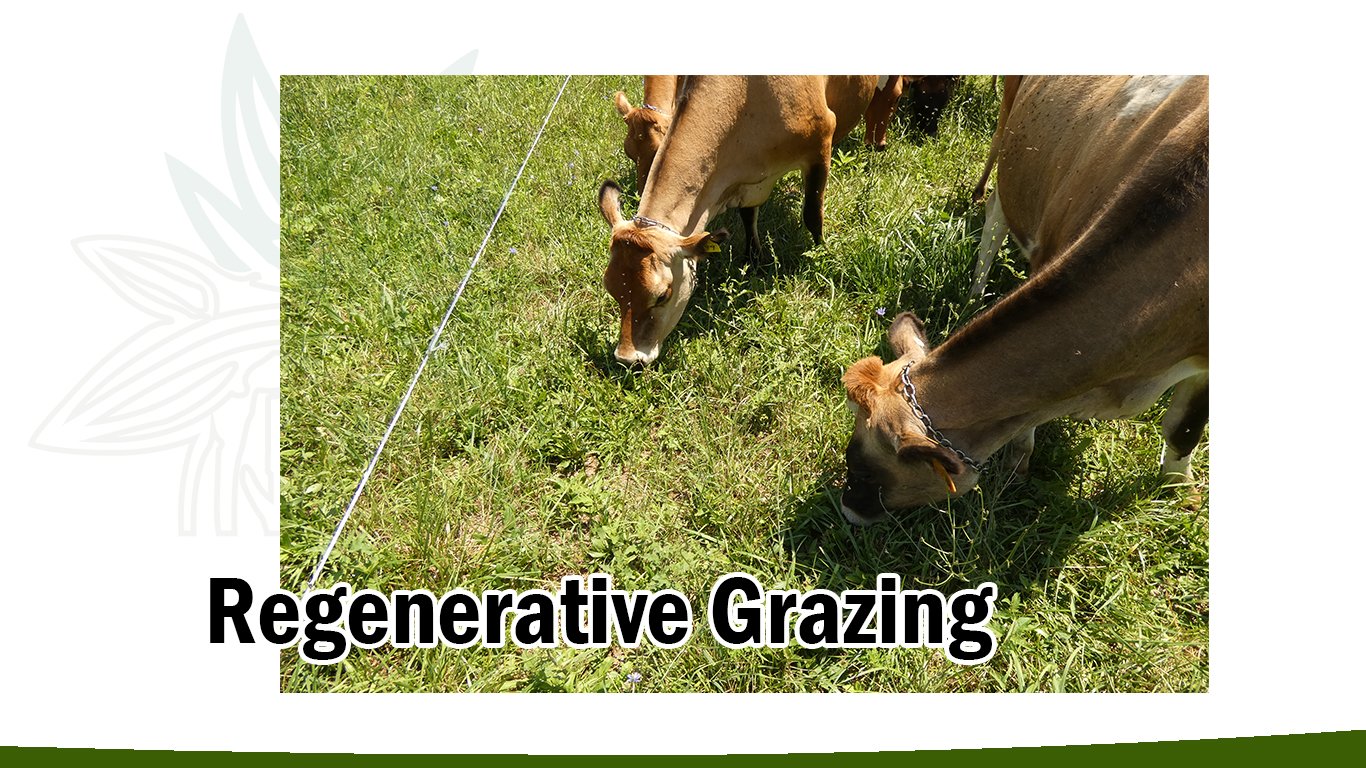
When we put cows back on pasture, we’re not chasing a trend. We’re restoring something to the way it was designed to function in the first place, which is the actual definition of regenerative.
Old Wisdom, Not New Invention
If we want nutrient-dense food again, we don’t need a lab or a new chemical compound. We need to remember what already worked for thousands of years:
- Animals grazing on real pasture
- Diverse plant life instead of monocultures
- Living, biologically active soil
- Natural fertility cycles instead of synthetic inputs
- Water that soaks into the ground instead of running off
- Farms that feed neighbors and communities, not just supply chains
None of that is cutting-edge. It’s old wisdom that got set aside for a few decades and is now being rediscovered, one pasture at a time. Modern industrial agriculture is the anomaly in this story — regenerative farming is simply the return to the baseline that fed humanity for millennia.
What This Looks Like on Our Farm
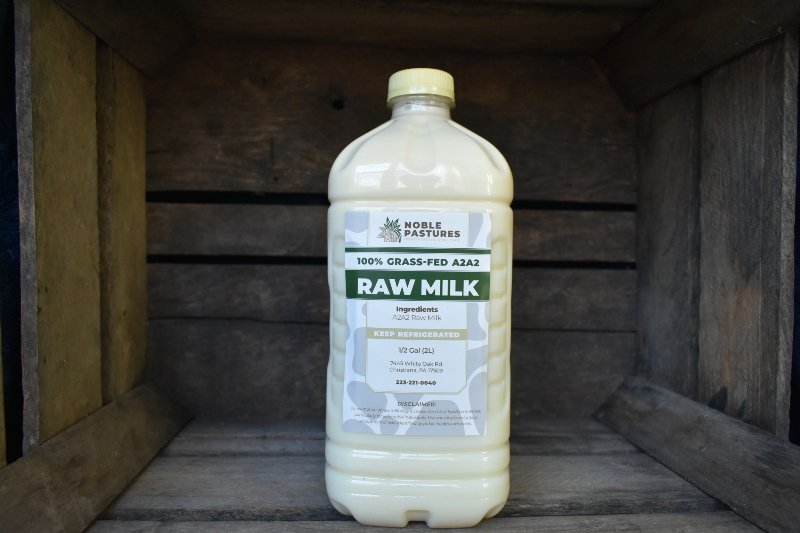
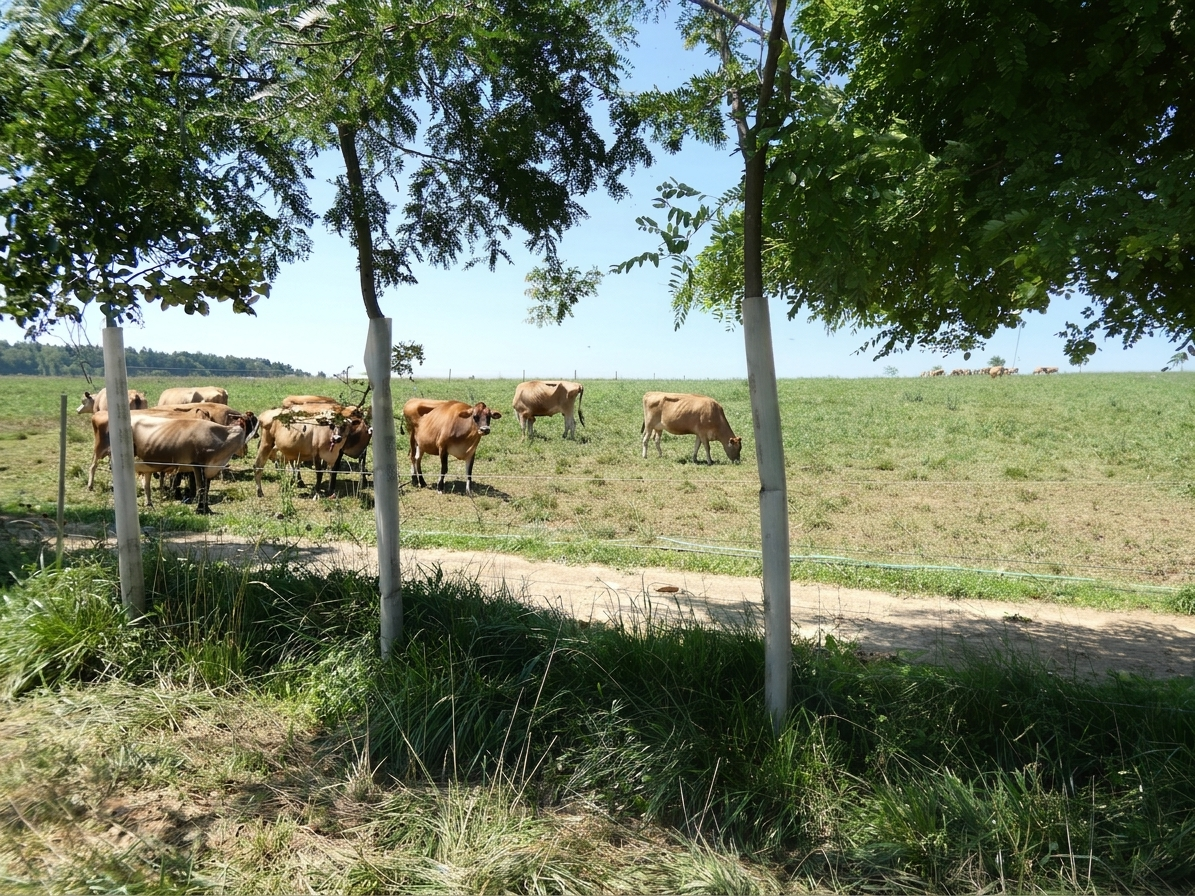
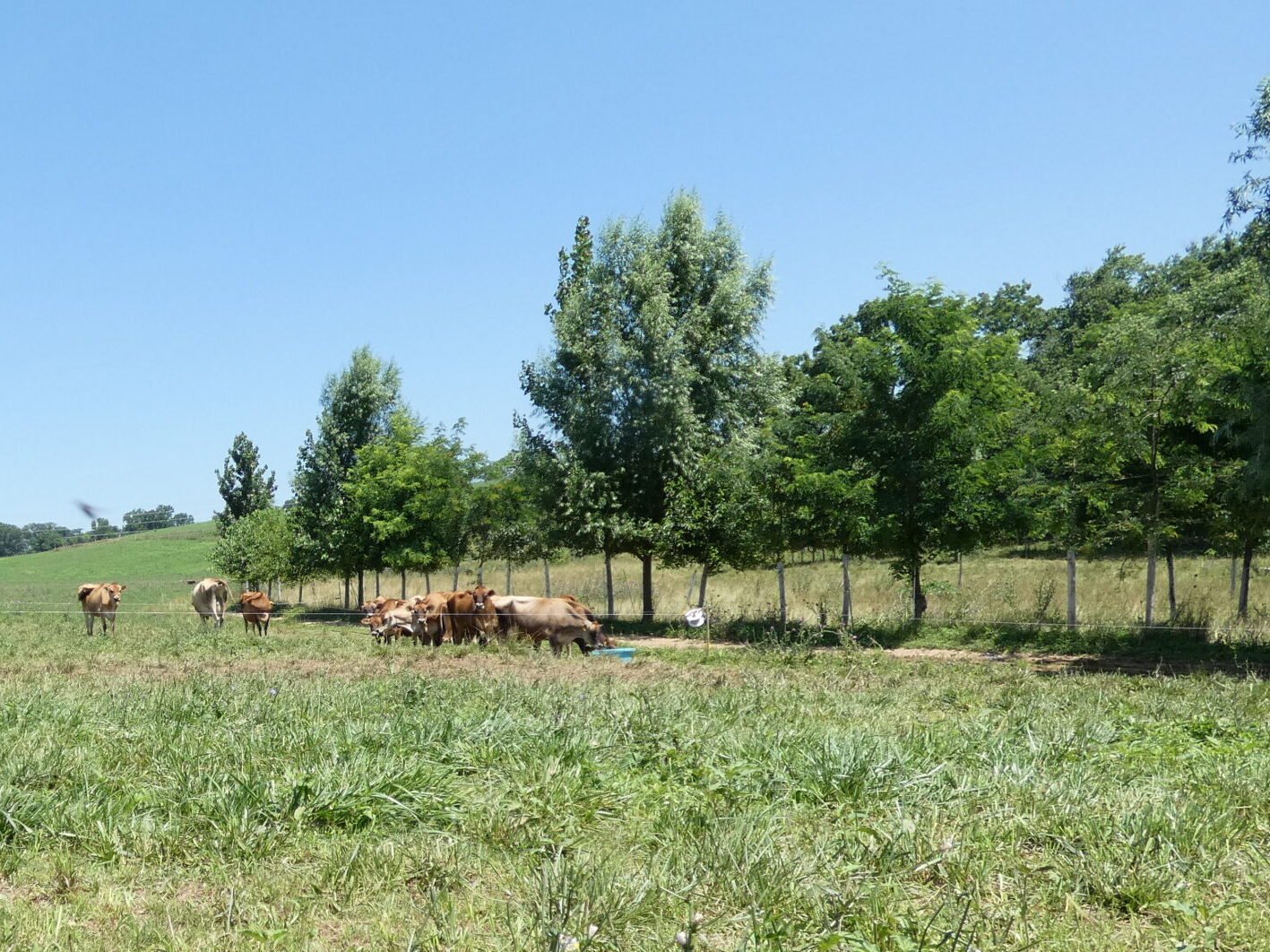
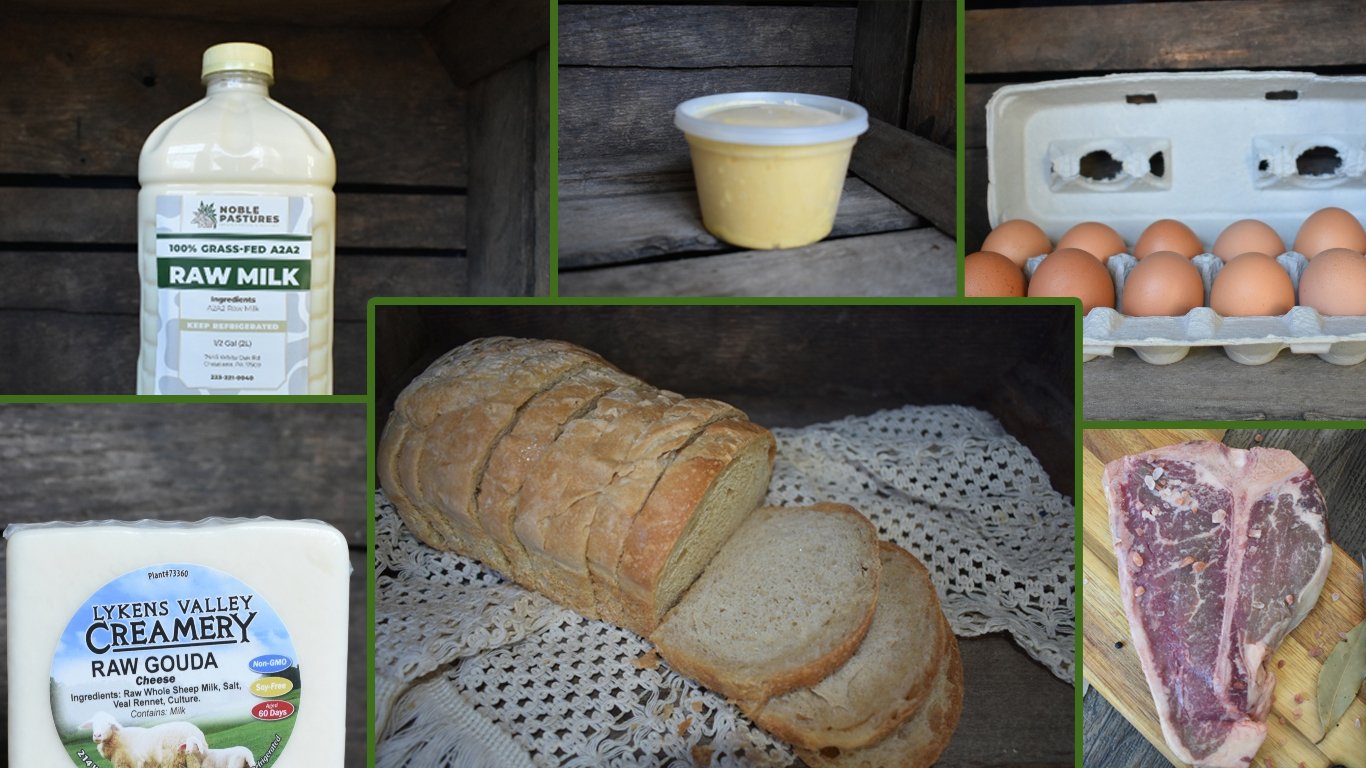
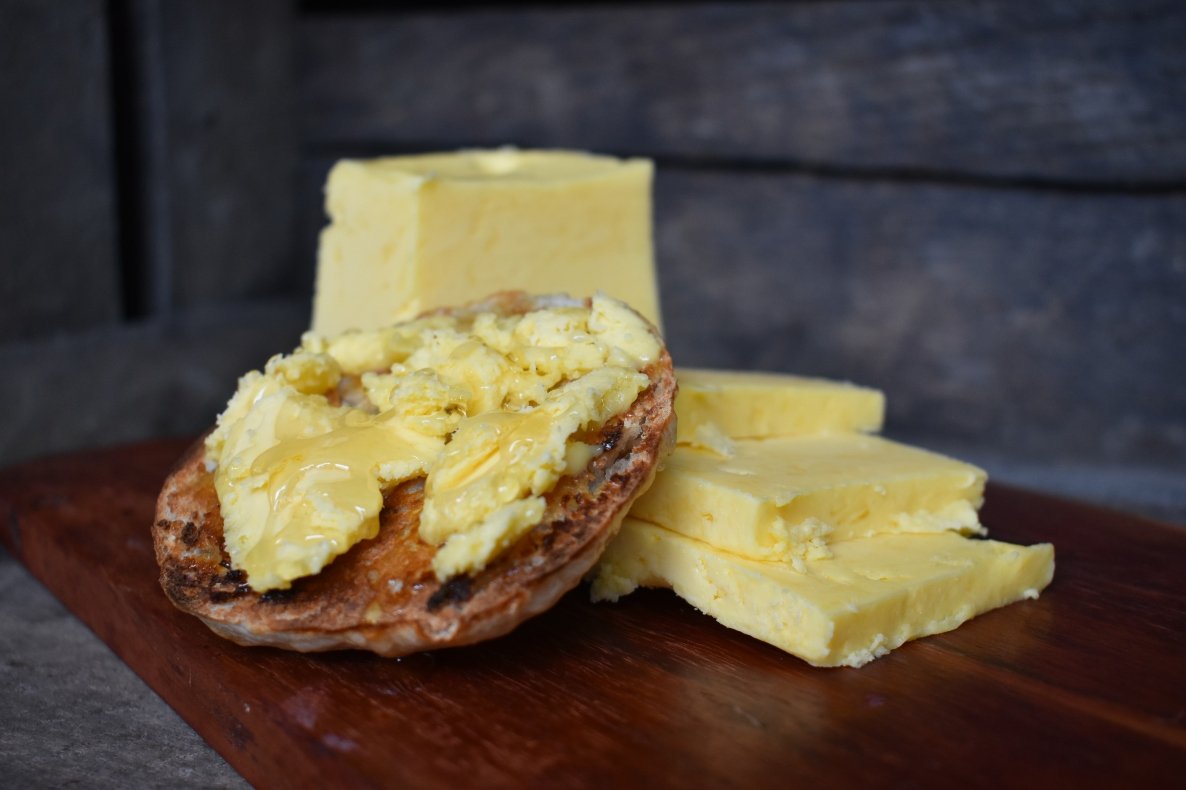
This is exactly the thinking behind how we raise our herd. Our cows graze on diverse, living pasture year-round, and that grass-fed diet is the foundation of the raw milk, cream, and butter we produce — no shortcuts, no confinement, no grain-based workarounds.
We didn’t invent anything new by doing this. We just chose not to abandon what already worked.
If you’re curious what regenerative agriculture looks like up close — real cows, real pasture, real food — we’d love to have you get to know Noble Pastures. Come see the herd, taste the difference pasture makes, and decide for yourself what “real food” should mean.