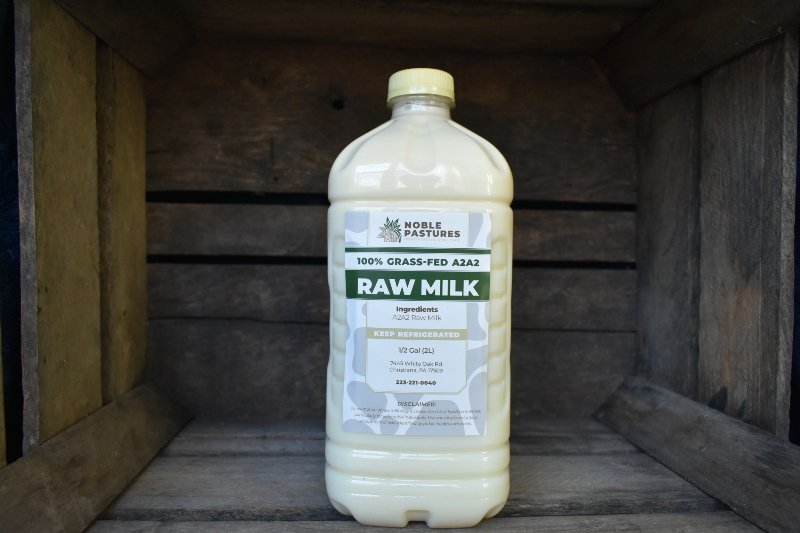
“I won’t drink it — it’s too thick and yellowish.” That’s what I told my mother about fifteen years ago when she brought home raw, grass-fed Jersey milk for the first time. Funny how much can change in fifteen years, and funnier still how wrong I was.
We already drank raw milk from my father’s conventional dairy operation, so as far as I was concerned, we had the “good” milk already. The Jersey milk looked too rich, too creamy, too natural for a kid who didn’t know any better. I wanted nothing to do with it.
A Mother Who Saw What I Didn’t
My mother had walked through her own health struggles, and that pushed her to look harder at how she fed our family. As kids, we rolled our eyes at the “weird” foods and the natural remedies she brought home. We didn’t understand what she was protecting us from, or what she was trying to give us.
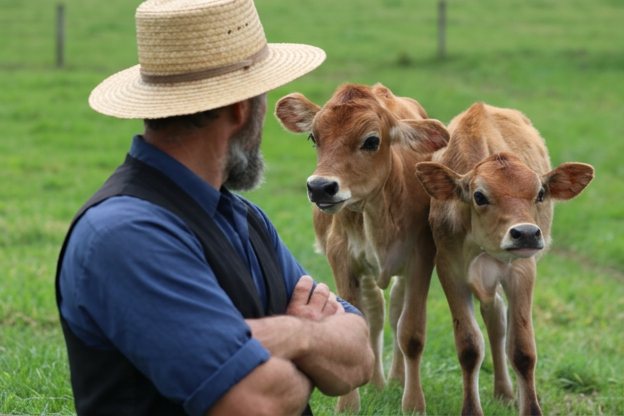
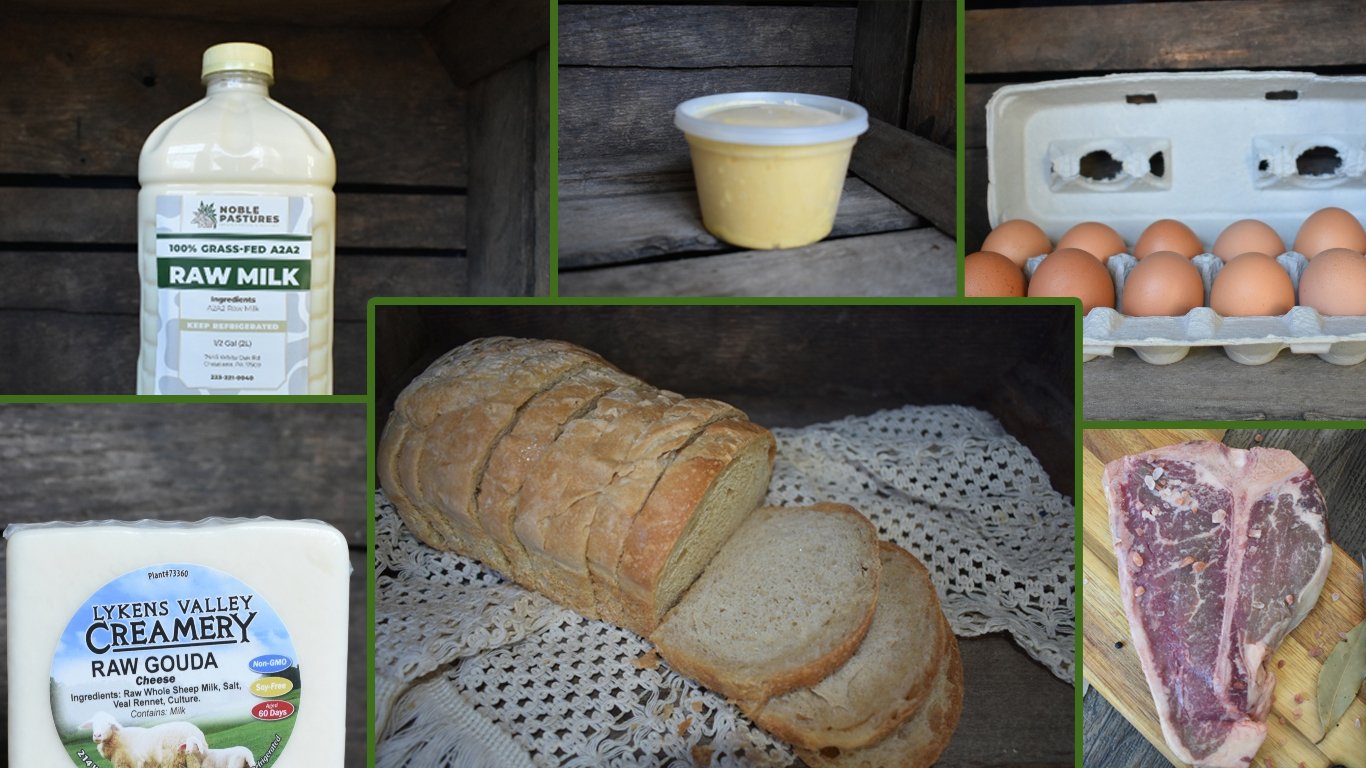
I understand now. Her choices shaped the way I farm today, the way I raise my own kids, and the way we produce the grass-fed A2/A2 raw milk we’re proud to offer at Noble Pastures. These days I can’t drink the thin, flavorless stuff from the grocery store — I jokingly call it “white liquid.” After years of drinking real, grass-fed A2/A2 raw milk, everything else tastes empty by comparison.
Why Diverse Pasture Matters
Grass-fed A2/A2 raw milk isn’t just a beverage — it’s the end product of a living, diverse pasture. When cows graze on a wide mix of grasses, clovers, herbs, and wild plants, they take in natural omega-3s, conjugated linoleic acid (CLA), minerals, and herbal compounds, then quietly convert all of it into a form your body can actually use.
Research backs this up. Studies comparing pasture-fed and conventionally fed dairy cows have found that milk from fully grass-fed herds can carry well over 100 percent more omega-3 fatty acids and more than double the CLA content of milk from grain-fed cows. That’s not a marginal difference — it’s a fundamentally different food.
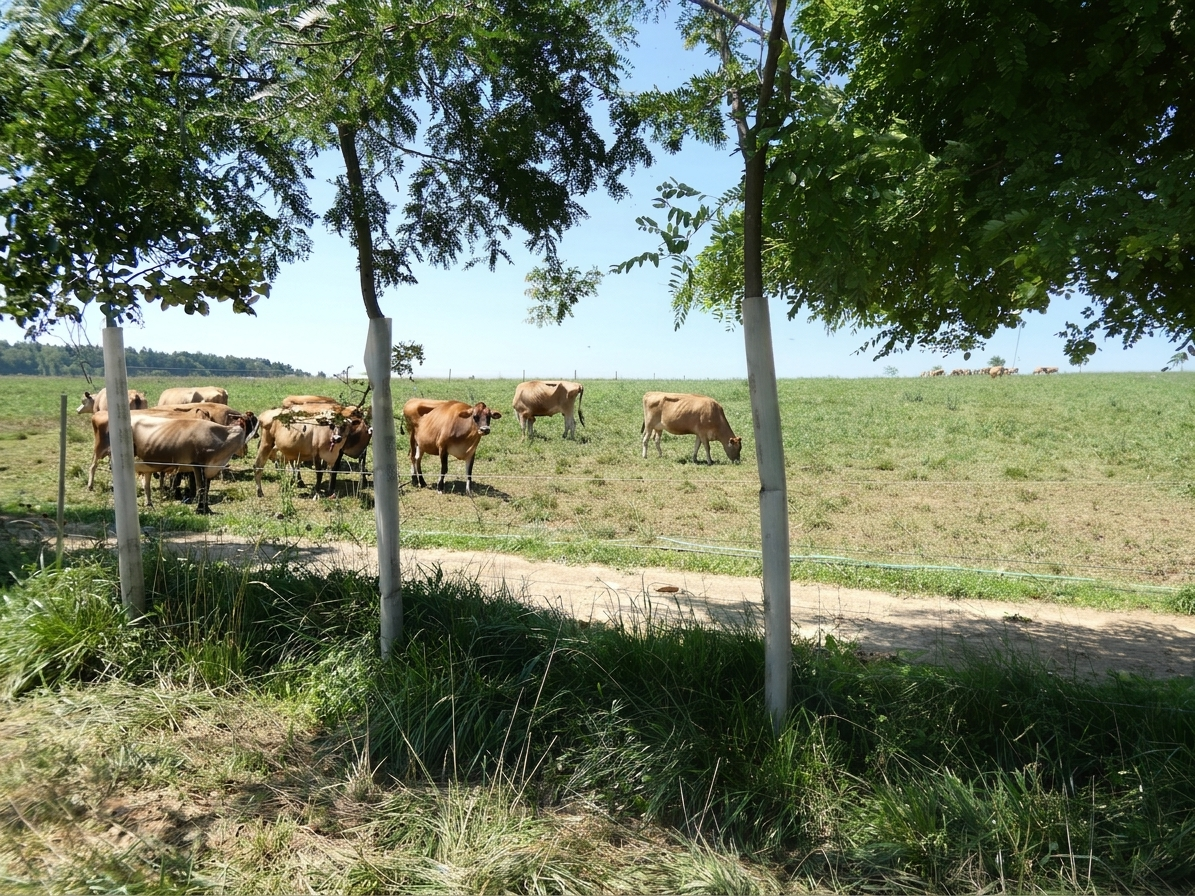
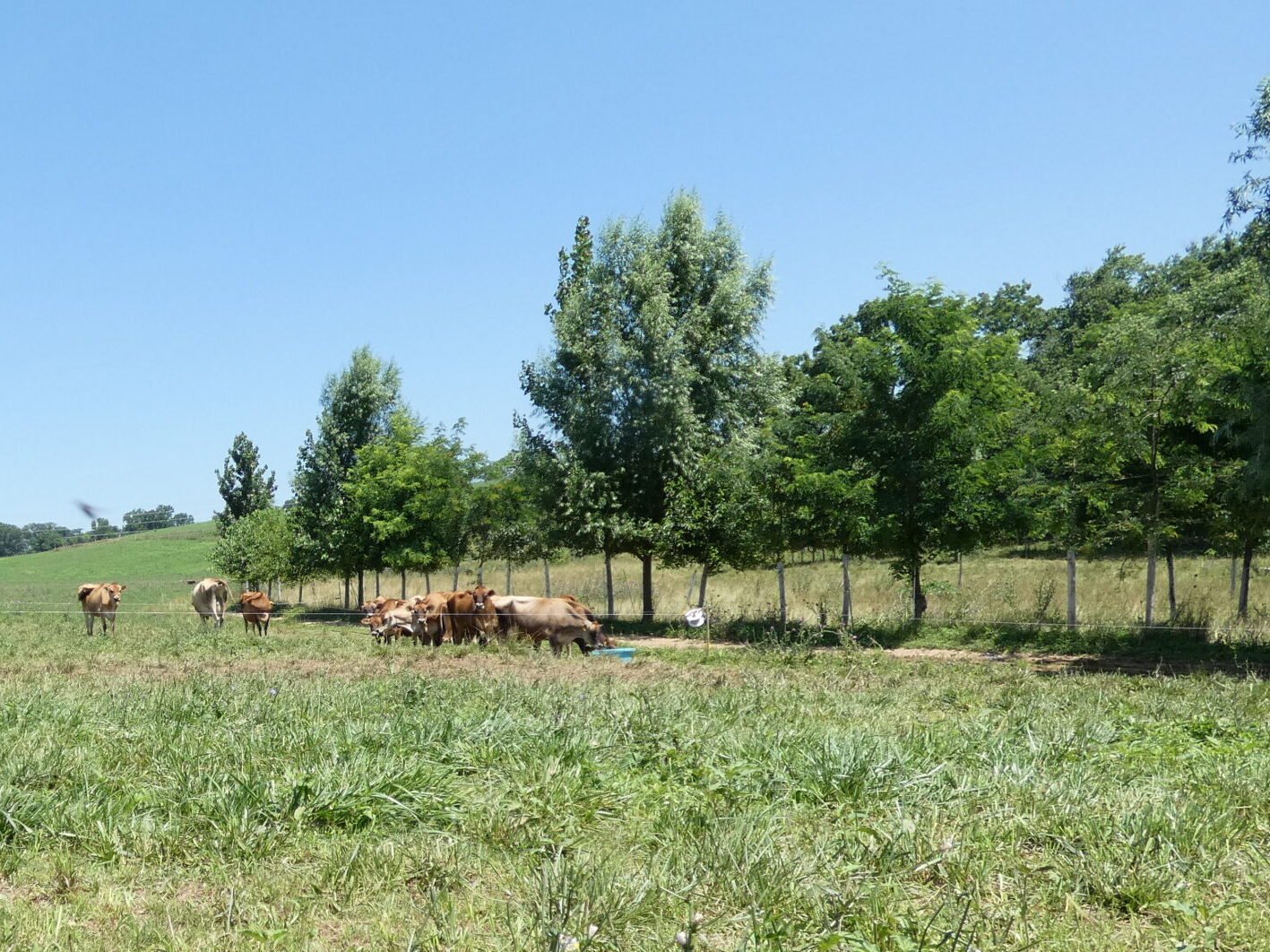
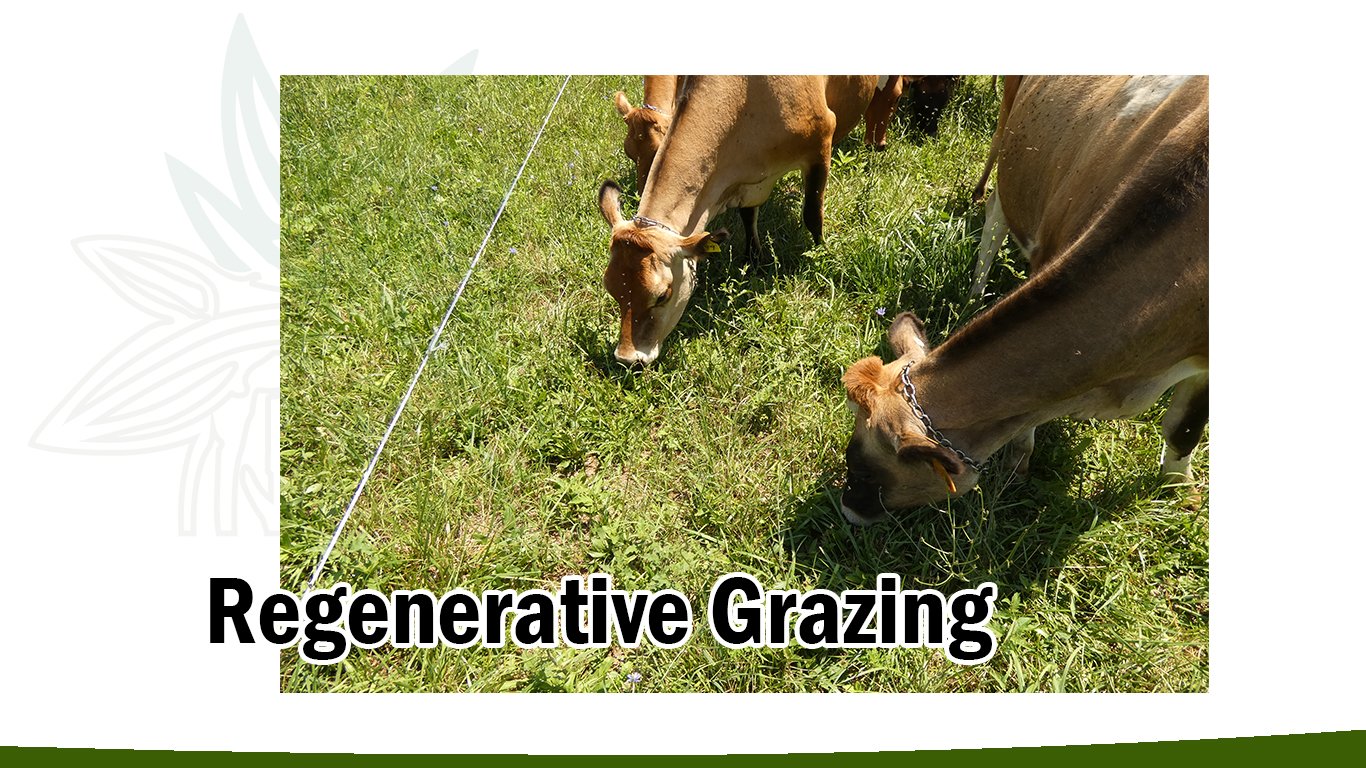
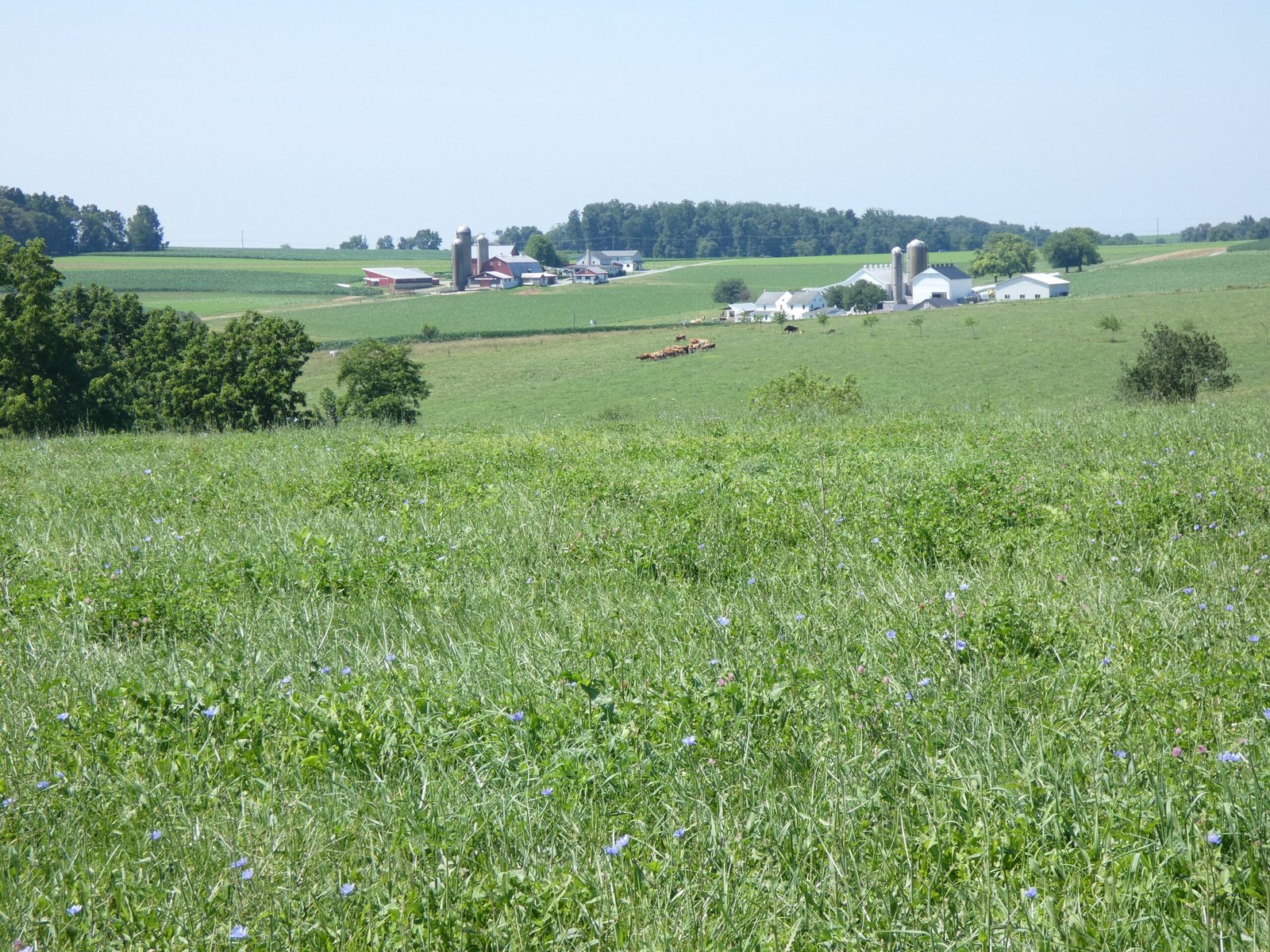
Here on our pastures in southeast Pennsylvania, our cows graze tall fescue, orchard grass, bluegrass, timothy, clovers, alfalfa, chicory, plantain, dandelion, yarrow, goldenrod, and more. These deep-rooted plants pull minerals up from the soil, and every one of those minerals ends up quietly enriching the milk. Regenerative grazing practices that rotate cows across diverse pasture are what make this possible — it isn’t an accident, it’s the whole point of how we farm.
Why Your Body Notices the Difference
Whole, raw, grass-fed milk shows up the way nature intended — balanced fats, natural enzymes, and nutrients working together instead of stripped apart. Your gut recognizes it as real food, not a processed approximation of food, and it puts those nutrients to use rather than fighting to digest them.
A2/A2 milk adds another layer to that story. Because it contains only the A2 beta-casein protein instead of the A1 variant found in most conventional milk, many people who feel uneasy after drinking regular milk find that A2 milk sits much easier with them. Pair that with raw processing — no pasteurization stripping out the enzymes and probiotics — and you end up with milk that’s about as close to what a cow actually produces as you can get.
A Family Tradition Worth Passing On
I didn’t appreciate any of this as a kid rolling my eyes at my mother’s milk jug. Now I’m deeply grateful for what she saw before I did, and it’s become the foundation of how we raise our own herd and family.
If you’ve never tasted truly grass-fed A2/A2 raw milk, I’d encourage you to give it an honest try — not the kind from a carton with a marketing label, but the kind that comes from cows actually living on diverse, well-managed pasture. That’s what we work every day to produce at Noble Pastures, and it’s a tradition I’m proud to carry forward for my own kids the same way my mother carried it forward for me.