“Eat food your great-grandmother would recognize.” That Michael Pollan line has stuck with me for years, and it gets right to the heart of why I think so hard about what we grow and how we grow it here on our pastures. It’s also exactly why so many families are asking the same question I get asked all the time: why avoid GMOs in the first place?
I’m not a scientist, and I don’t pretend to be. But I am a farmer who spends my days walking pasture, watching cows, and thinking about soil. And the more I’ve learned about genetically modified organisms, the more convinced I am that steering clear of them is one of the simplest things a family can do for their long-term health.
What Is a GMO, Really?
GMO stands for genetically modified organism, which simply means humans are altering plants in ways nature could never do on its own. Scientists insert genes from one species into another — say, using a bacterial or animal gene in a corn seed — to create traits like herbicide resistance or pest resistance.
At first that might not sound like a big deal. Here’s why it matters more than it seems.
Nutrient Quality Isn’t Guaranteed by Yield
Modern agriculture produces massive amounts of forage and crops, but volume doesn’t automatically mean nutrition. A crop can look abundant in a field and still fail to deliver the nutrients our bodies were designed to run on. The real question isn’t how much we can grow — it’s whether what we grow actually feeds people well.
We Don’t Fully Know the Long-Term Effects
We don’t yet have decades of solid data on what eating genetically altered food does to the human body over a lifetime. When you change the blueprint of a plant, you also change how our bodies interact with it. That uncertainty alone is reason enough for a lot of families to be cautious.
The Chemical System Behind GMOs
Most GMO crops aren’t really about the plant itself — they’re about the chemical system built around it. GMO seeds are typically engineered to tolerate heavy herbicide spraying, which means more chemicals going into the air, the water, and the soil.
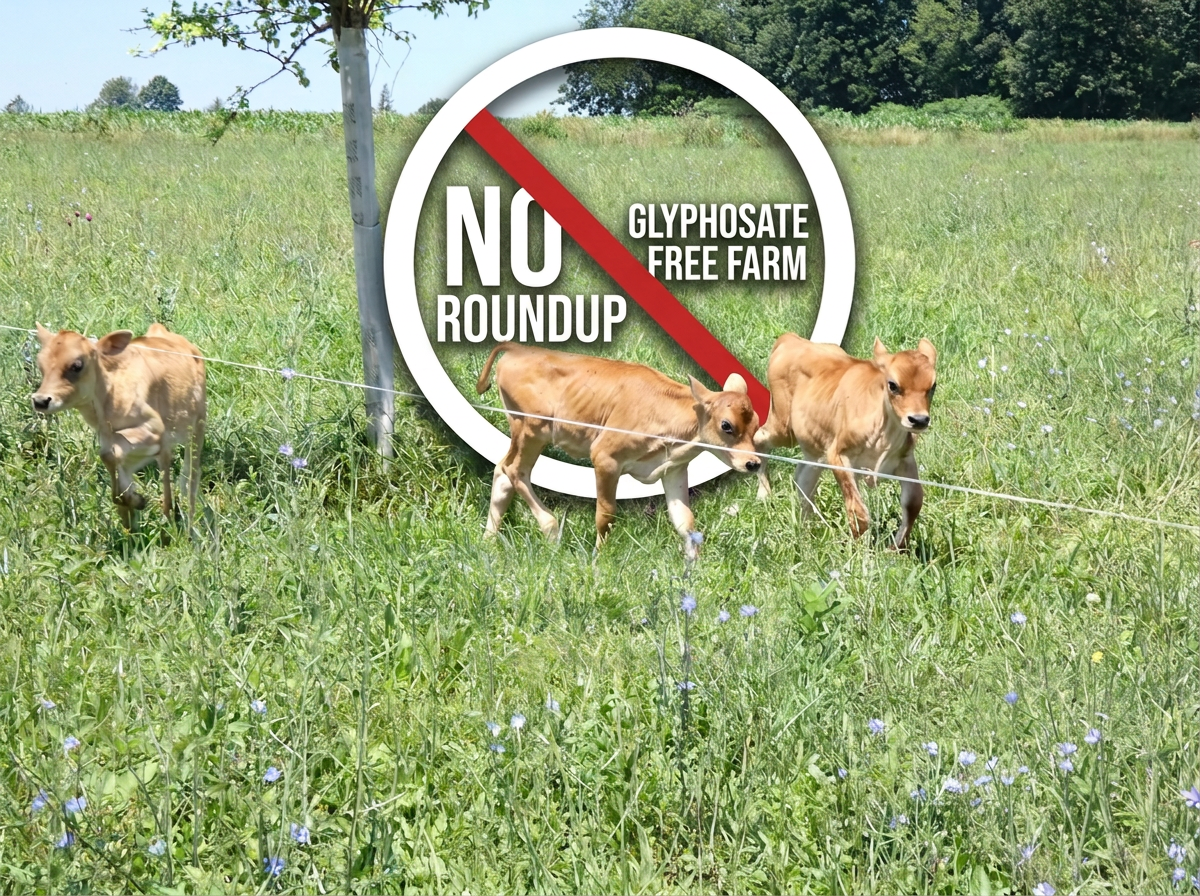
Research on glyphosate, the herbicide most commonly paired with GMO crops, has raised real concerns about its effects on soil microbial life and the broader ecosystem. And here’s the thing: food comes from soil. When soil suffers, we eventually do too. Air, water, and food are the three things every one of us depends on every single day, and all three run through the same chemical system.
How We Can Protect Ourselves and Be Part of the Solution
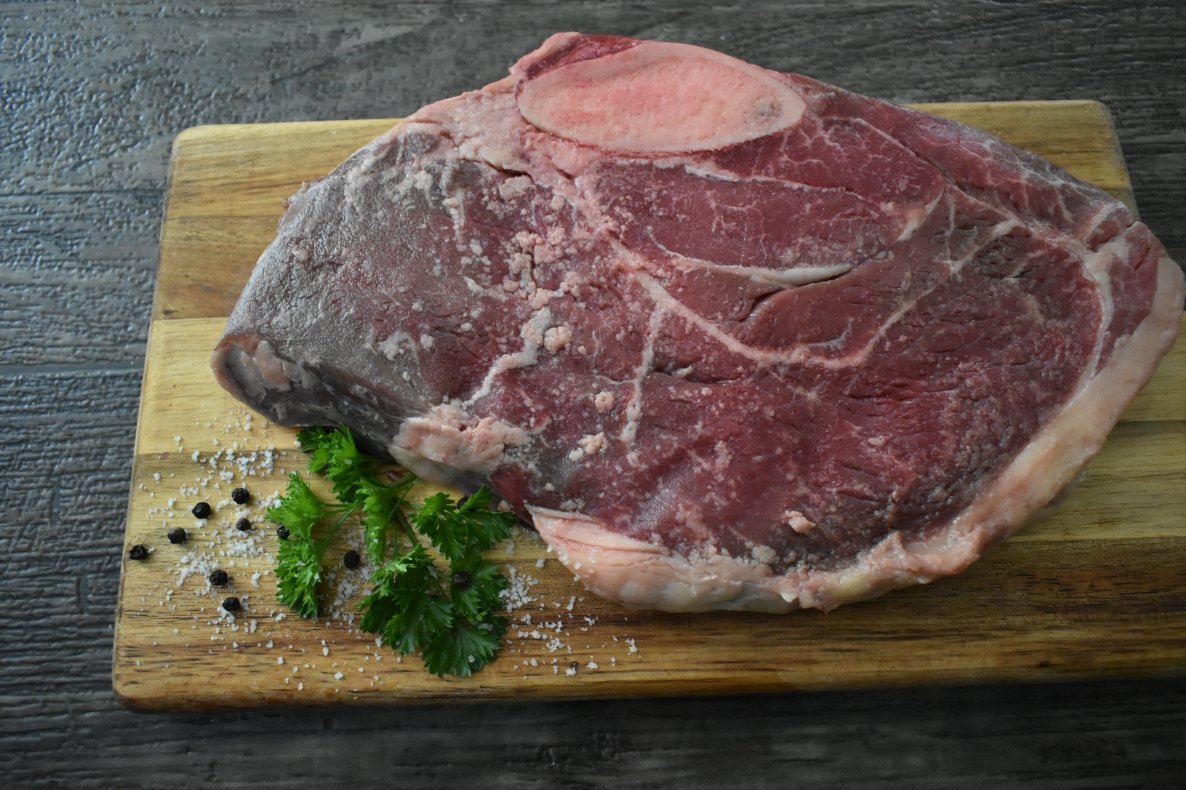
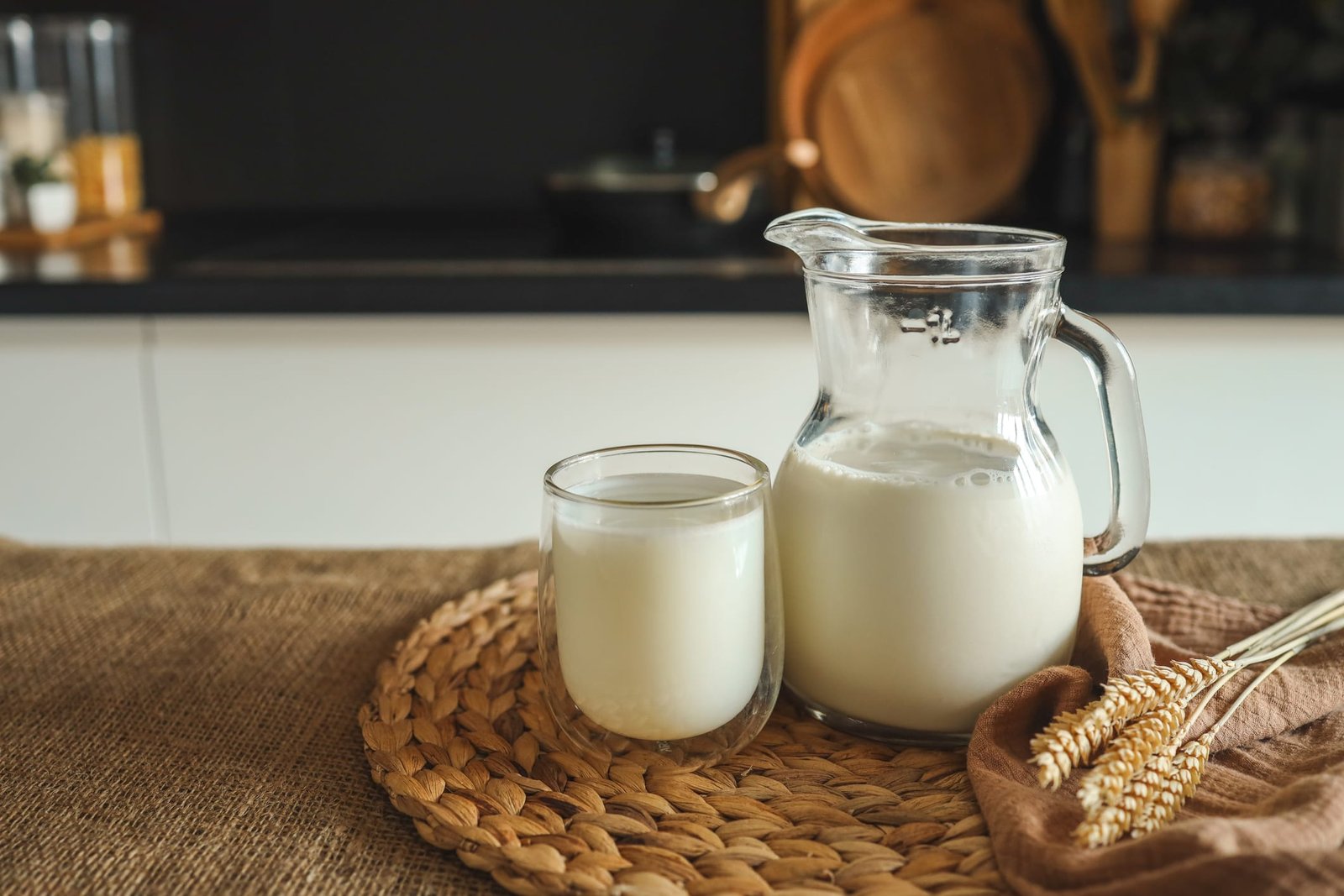
One of the simplest, most powerful steps a family can take is choosing 100% grass-fed beef, milk, and dairy. It’s not a magic fix, but it’s a meaningful one. When you make that choice, you’re:
- Feeding your body the way it was designed to be nourished
- Supporting farms that protect soil, water, and animal health
- Voting with your food dollars for the kind of agriculture you actually want to see more of
That last point matters more than people realize. Research on grass-fed beef has consistently shown higher levels of omega-3 fatty acids and conjugated linoleic acid (CLA) compared to grain-finished beef, along with a more favorable overall fat profile. Cattle that graze diverse, rotationally managed pasture — rather than eating GMO grain and soy — end up producing meat and milk with a nutrient profile that reflects the land they came from.
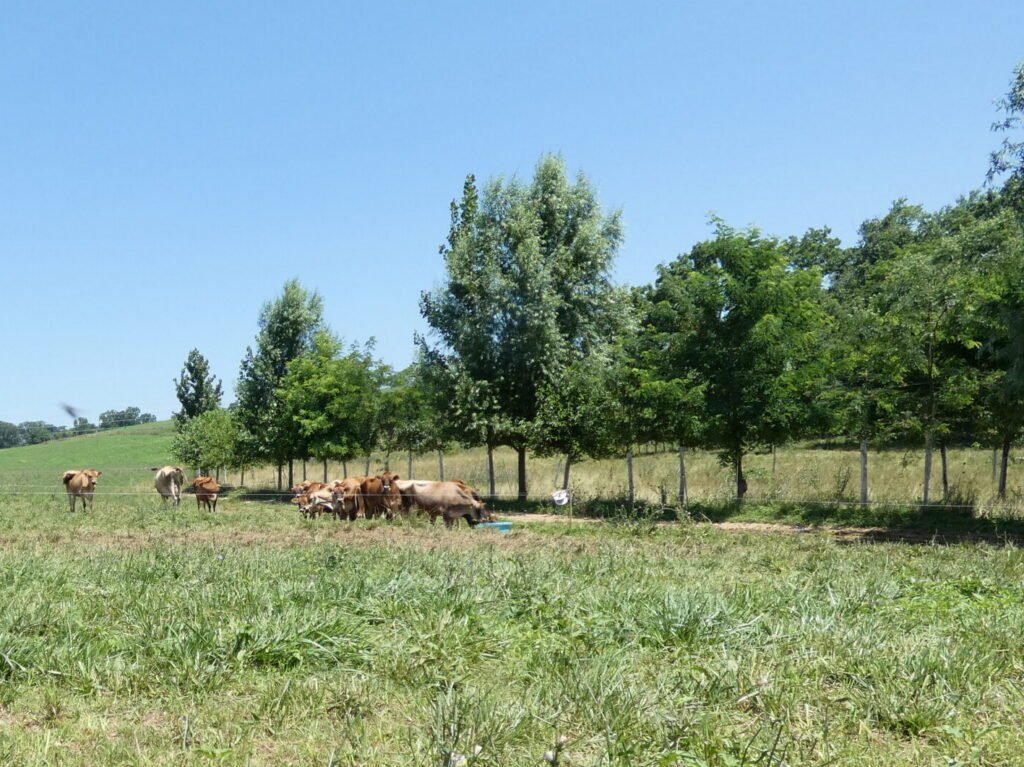
That’s the whole philosophy behind how we raise our cows here. Our herd grazes on 100% grass, never GMO corn or soy, moving across diversified pasture the way cattle were meant to. We’re not chasing the fastest growth or the cheapest feed — we’re chasing real nutrition, the kind that starts in healthy soil and works its way up through the grass, into the cow, and onto your table.
Real Food Supports Real Health
GMOs and the chemical systems behind them aren’t going away overnight, and honestly, that’s not the point. The point is that every family gets to decide what they put on their own table. Choosing 100% grass-fed, pasture-raised food is one of the clearest ways to opt out of that system and support the kind of farming that actually rebuilds soil instead of depleting it.
If that’s the kind of food you want for your family, take a look at what we’re raising on our pastures. Real food, from real farms, raised the way nature intended — that’s the whole reason we do this.
This content is for educational purposes only and is not medical advice. Please consult your healthcare provider regarding personal health decisions.