When people ask why our milk tastes richer or why our eggs are so good, I usually take the opportunity to tell them about regenerative agriculture. The soil health and food quality connection is a practical chain that starts with living soil, grows better pasture, feeds healthier animals, and ends with real delicious food for your family.
At Noble Pastures, we do not believe food begins at the grocery-store shelf. It begins with how a farm treats its land and livestock every day.
Healthy soil grows a better diet
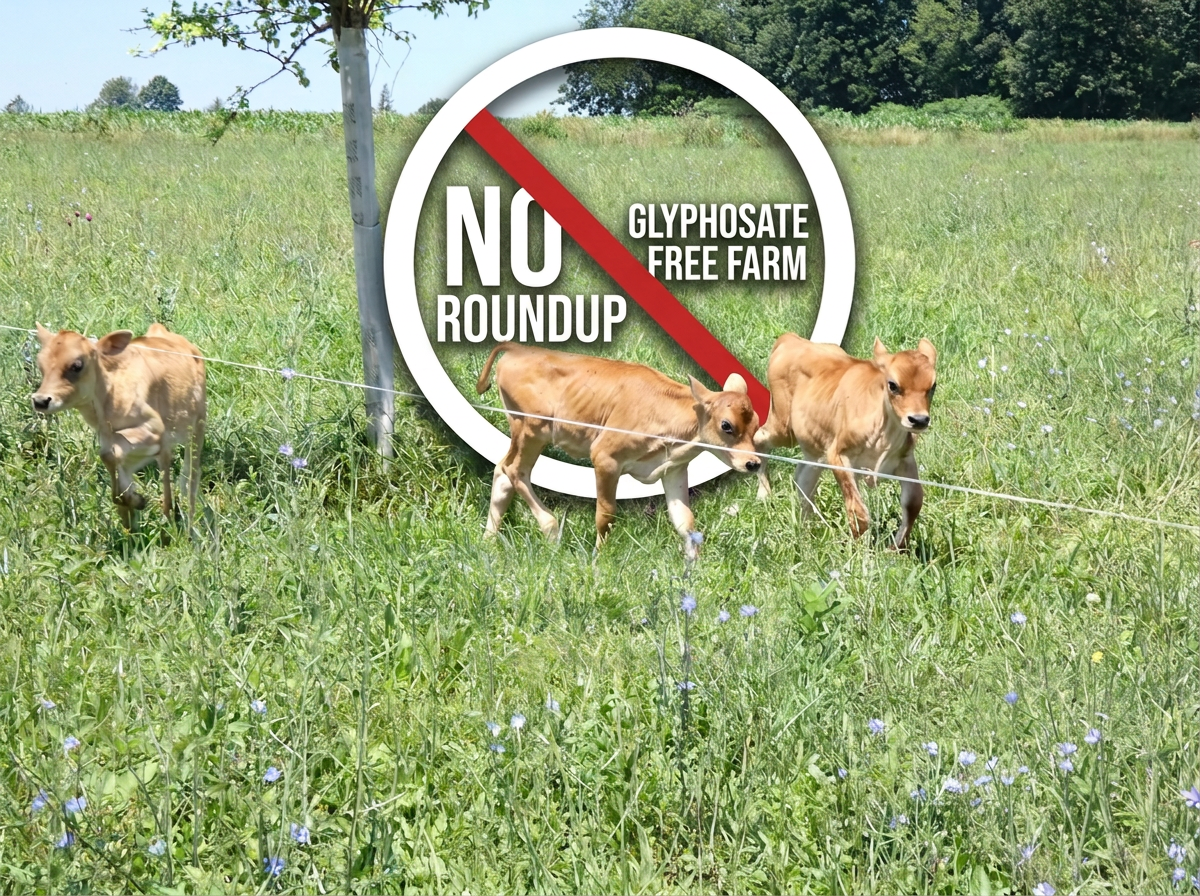
Good soil is alive. It holds organic matter, water, roots, fungi, insects, and billions of microbes doing work we could never replace with a bag of inputs.
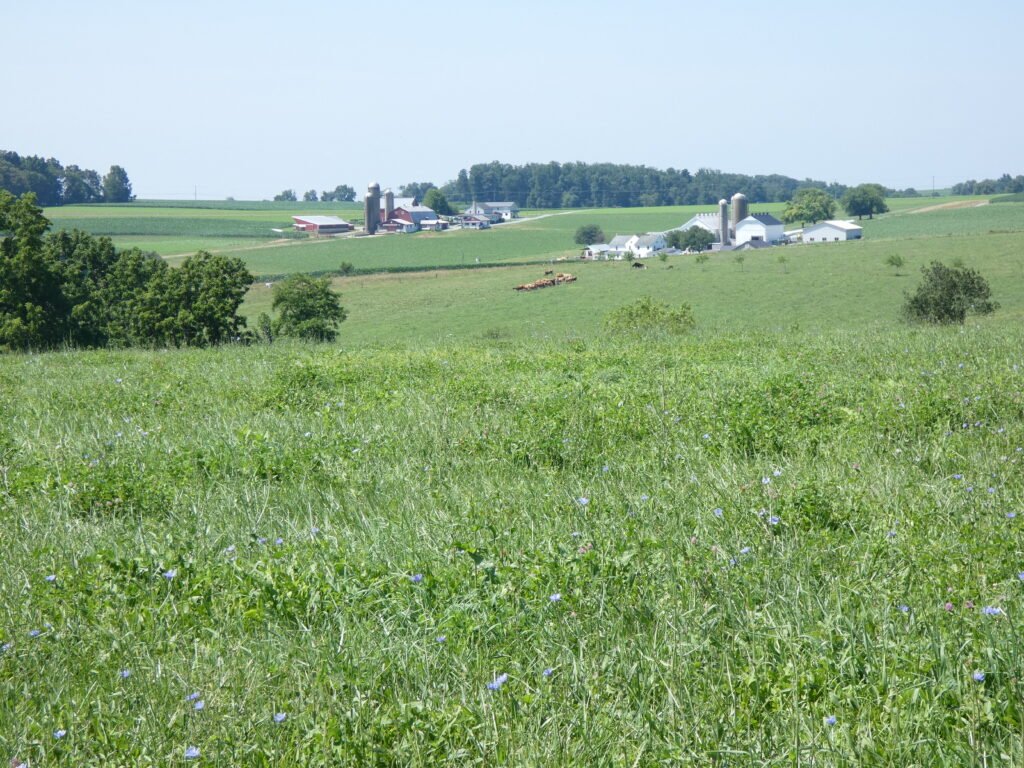
When pasture has healthy soil beneath it, it can grow a broader, more resilient stand of grasses and forage. That matters because cows are built to eat forage, and chickens do better when they can spend their days outdoors scratching for bugs, pecking at plants, and acting like chickens.
Research on pasture-based systems shows that an animal’s diet can influence the fatty-acid profile and antioxidant compounds in the food it produces. That is why we pay attention to the whole system and not just the final product.
The soil health and food quality connection, from pasture to plate
A conventional system often treats food production like a straight line: inputs go in, product comes out. Regenerative farming works more like a cycle.
- Soil supports diverse forage.
- Forage feeds grazing animals.
- Animals return fertility to the land through manure and grazing impact.
- Better-managed land is better able to keep producing good forage.
That cycle is the soil health and food quality connection in plain language. It does not mean every egg or every gallon of milk will test exactly the same; weather, season, breed, and forage all play a role. But it does mean that animal food is shaped by what the animal eats and how it lives.
Studies of pasture-raised eggs have found differences in omega-3 fats, vitamin E, carotenoids, and the balance of omega-6 to omega-3 fats compared with eggs from conventional caging systems. Those nutrients do not appear by magic. They reflect a different environment and a different diet.
Why pasture changes dairy and eggs
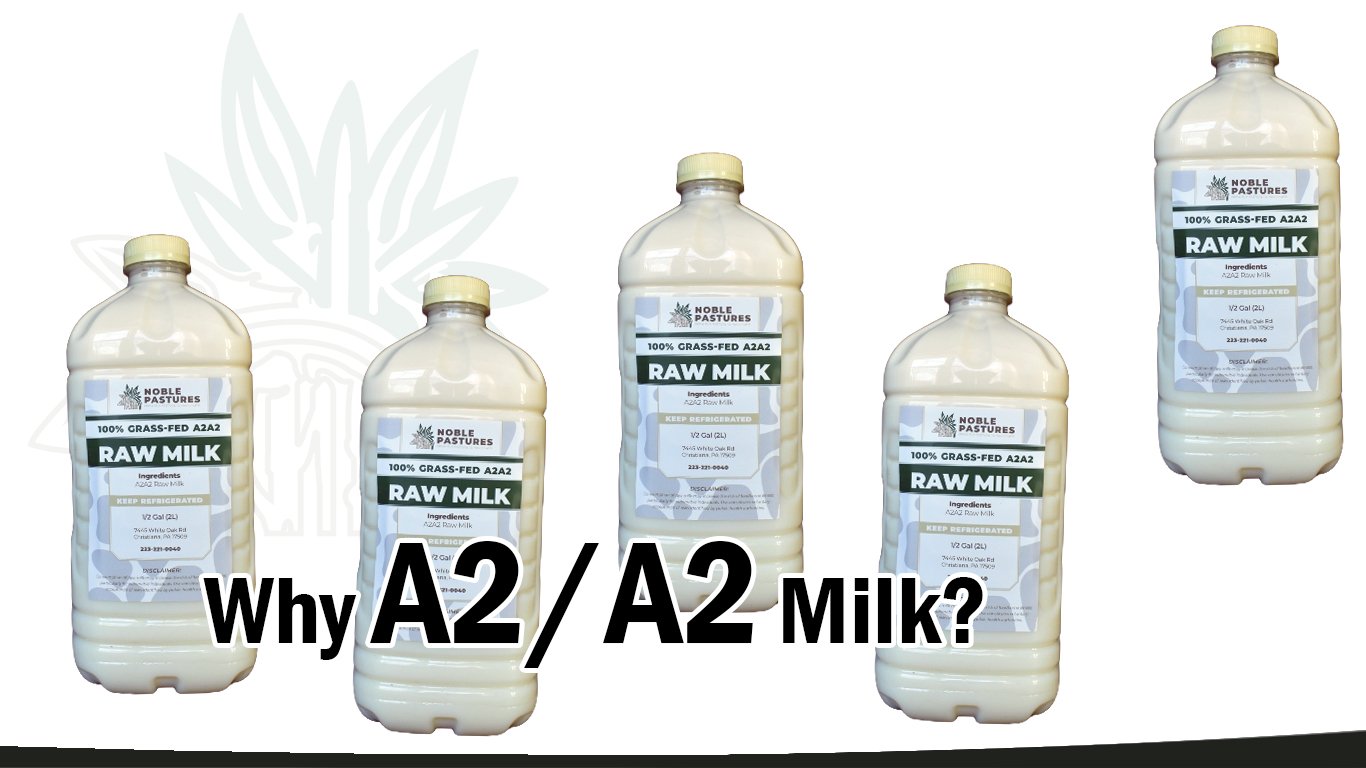
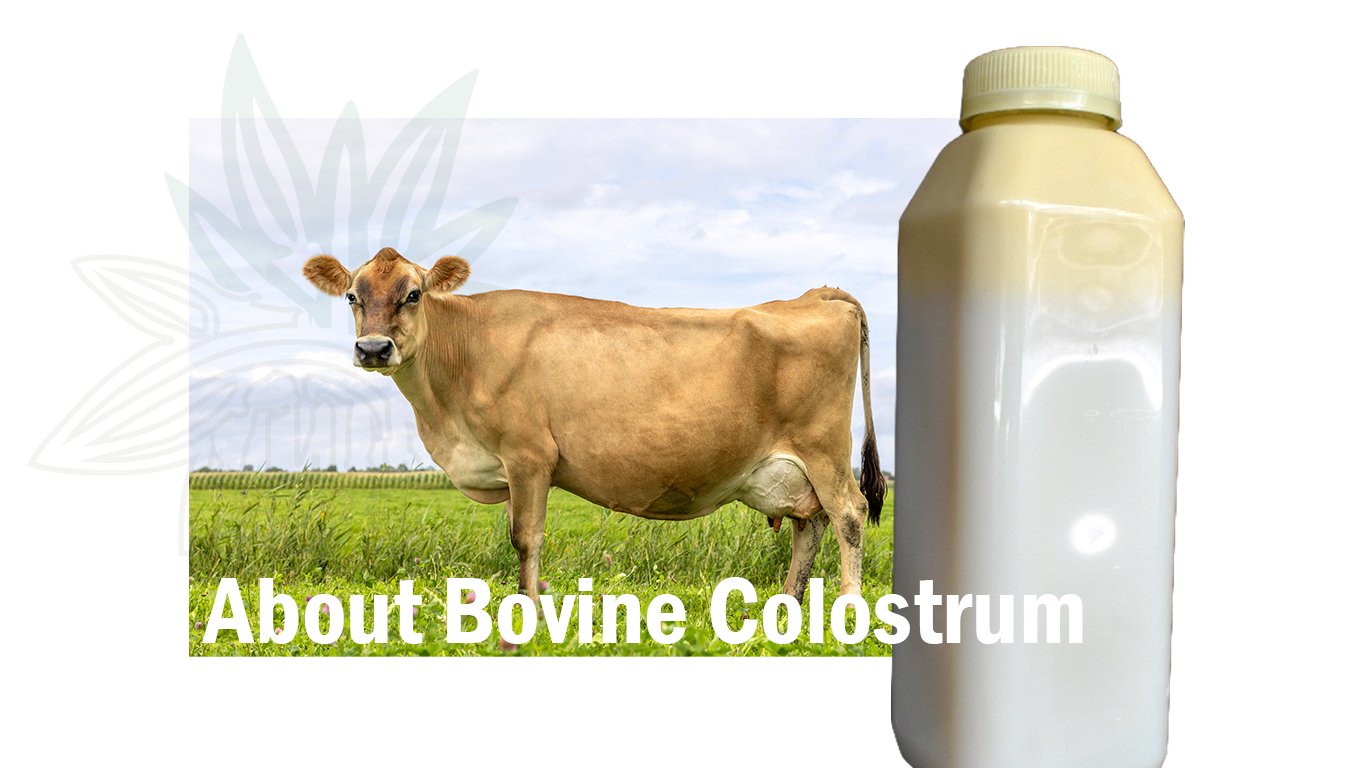
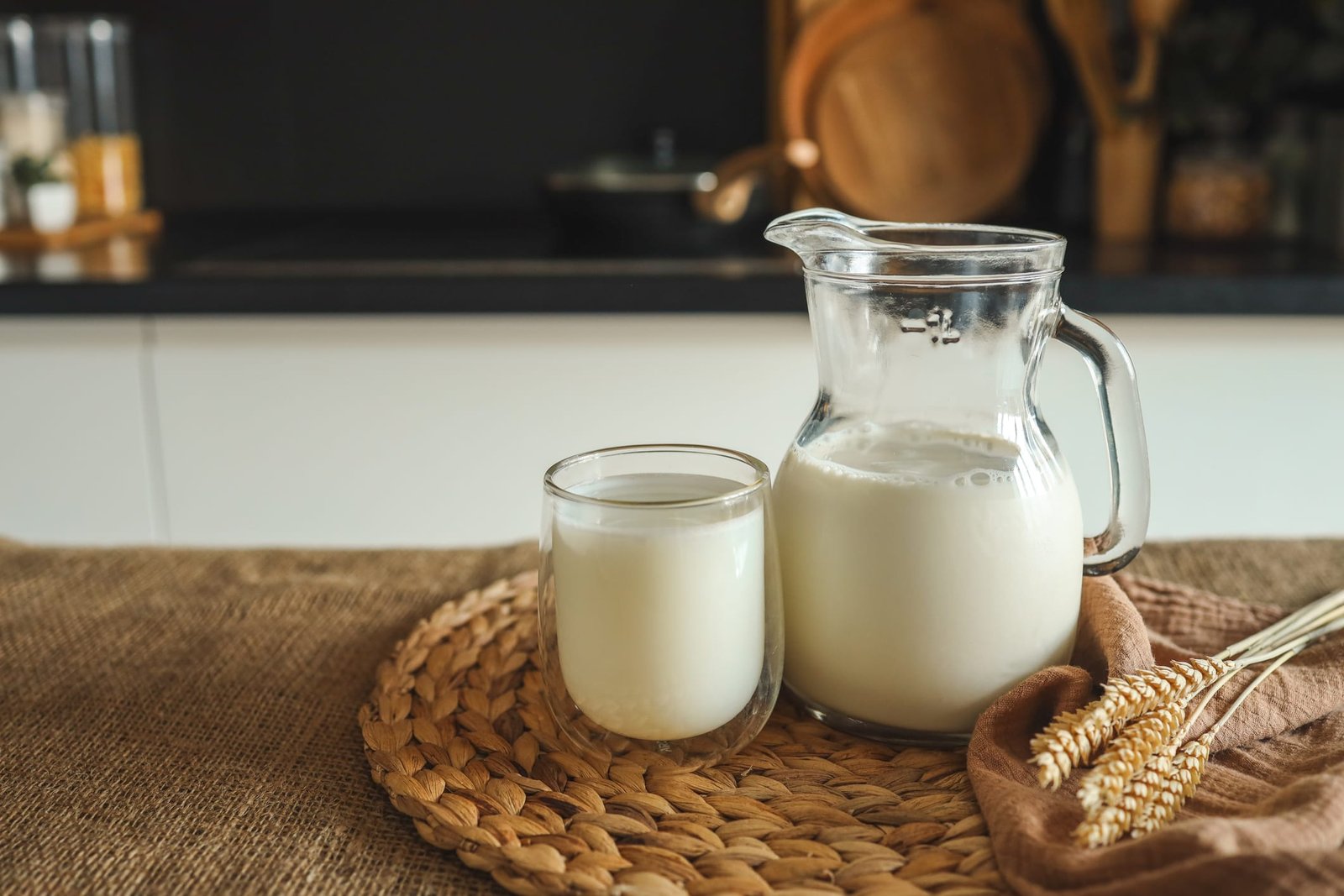
Our cows are 100% grass-fed, which means their diet is built around grass and forage rather than grain. We also raise A2/A2 cows for the milk we offer. Our milk is minimally handled, so the cream rises naturally to the top instead of being forced into a uniform look.
Our hens live outdoors, where they can forage naturally. We supplement that foraging with non-GMO feed without corn or soy, but pasture is still part of the picture. You can often see the result before you taste it: eggs that look sturdier and fresher than many folks are used to seeing.
Here is what we mean when we talk about nutrient-dense food:
- A diet and environment that fit the animal.
- Pasture and forage managed as a living system, not an afterthought.
- Food with flavor that reflects where and how it was raised.
- Fewer shortcuts between the farm and your table.
Real food starts long before harvest
I do not think the answer is to chase a nutrition label or promise that one food can fix everything. The better question is: what kind of farm produced it?
The soil health and food quality connection asks us to look upstream. Healthy pasture, grazing animals, careful stewardship, and minimal processing all matter. That is the work we are committed to at Noble Pastures—raising grass-fed A2 dairy and pasture-raised eggs in a way that respects the land, the animals, and the people we feed.
If you want food from a farm that is a real farm, take a look at our dairy and eggs. We would be glad to share a little of our pasture with your table.