Manure is not the problem. Mismanaged manure is.
I understand why folks get frustrated when the countryside gets hit with the smell of slurry. It can hang in the air, get into your clothes, and make you wonder how something as natural as manure became such a nuisance. But on a healthy pasture, manure is not waste to get rid of. It is part of the work of building soil.
That is the heart of pasture-based manure management: letting animals return nutrients to the land while we manage the pasture well enough for those nutrients to do some good.
Nature does not waste manure
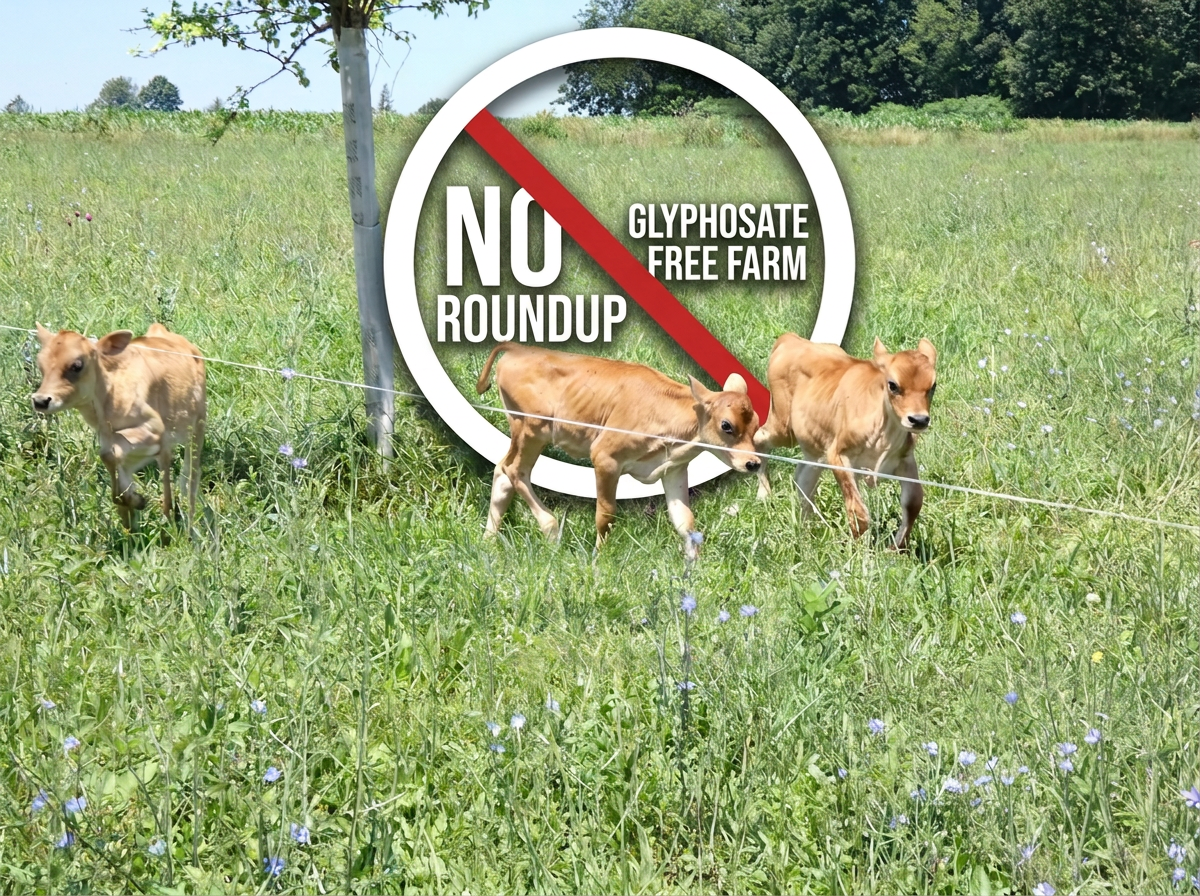
Watch a grazing animal in the field and you are watching a nutrient cycle at work. The animal eats grass, then returns much of what it ate to the ground through manure and urine. Research from the USDA Natural Resources Conservation Service confirms that grazing systems return a large share of consumed nutrients to the pasture.
That return matters. Nitrogen, phosphorus, potassium, and organic matter all have a role to play in feeding soil life and supporting the next round of forage growth. The goal is not to pretend manure disappears. The goal is to keep it in a system where plants, microbes, insects, and time can put it to work.
A pasture is not a factory floor. It is a living community, and the manure pile behind every cow is one small part of it.
Carbon and oxygen change the whole picture
When manure lands on grass, dry plant residue, leaves, or bedding, it meets carbon-rich material. That carbon helps balance moisture and gives soil organisms something to work with. In a barn setting, materials like straw, wood shavings, and dry bedding can serve a similar purpose when they are managed as compost.
Good composting needs more than a heap of manure. It needs the right balance of carbon and nitrogen, enough moisture, and—most importantly—oxygen. Agricultural extension guidance describes composting as an aerobic process: oxygen-loving microbes break organic material down into a more stable soil amendment.
Without oxygen, manure behaves differently. Wet, compacted material can turn anaerobic, meaning it decomposes without air. That is when odors become a warning flag that the biology has gone sideways. The answer is not to call manure bad; it is to give it the conditions needed for healthy decomposition.
Managed grazing helps spread the fertility
Pasture-based manure management is not as simple as opening a gate and forgetting about the herd. Where animals spend their time affects where nutrients land. Cattle naturally gather around water, shade, mineral, and gates, which can leave some spots overloaded while other parts of a field receive very little.
That is one reason managed grazing matters. Moving animals through paddocks with intention can help distribute manure more evenly and give plants time to recover. It also keeps us paying attention to what the pasture is telling us.
Here are a few practical things we look for:
- Enough residual grass and plant cover to protect the soil
- Rest periods that let forage regrow before animals return
- Water, shade, and mineral placement that avoid creating one heavily used area
- Dry carbon bedding where livestock need shelter or indoor space
- Healthy soil structure that can absorb water instead of shedding it
There is no one-size-fits-all grazing chart. Weather, soil type, forage growth, and the animals in front of you all matter. Good management is less about following a rigid recipe and more about observing closely and making the next right move.
The better question to ask
Instead of asking whether manure is messy, I think the better question is: What system are we asking it to live in?
On pasture, manure can be part of a cycle that feeds the ground that feeds the animals that feed our families. That is the kind of farming we believe in at Noble Pastures—care for the land, respect the animal, and keep working with nature instead of against it.
If you value food raised with that kind of attention, explore Noble Pastures’ pasture-raised, grass-fed farm products and the practices behind them. Pasture-based manure management may not be glamorous, but healthy soil is where some truly delicious, healthy food begins!